
Shrubs
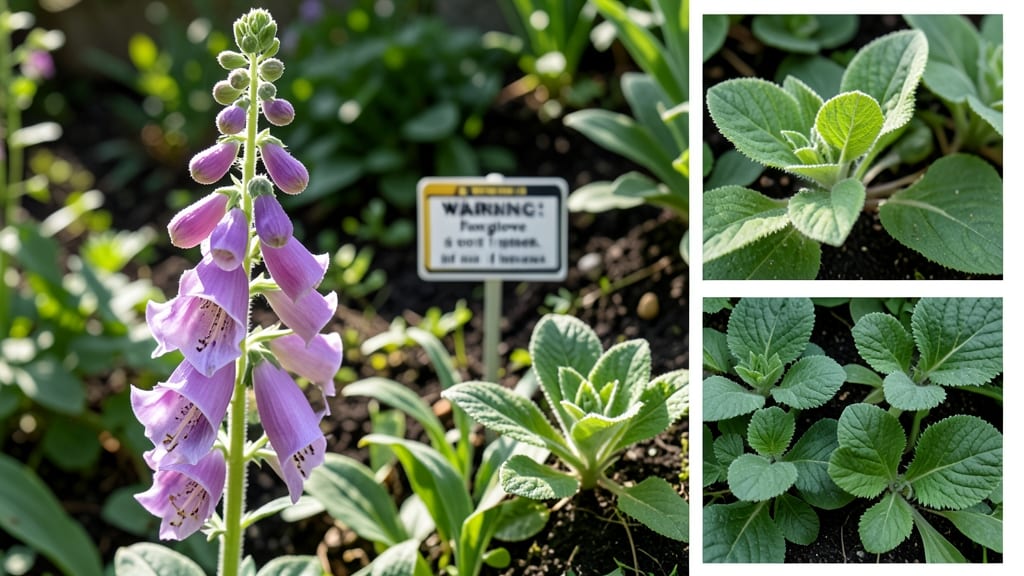
How to identify foxglove instantly reveals itself with its towering spikes of bell-shaped blooms—but those same flowers hide a deadly secret. 🌿 I’ve spent years growing foxglove (Digitalis purpurea) and can spot it from a hundred feet away, but even seasoned gardeners confuse it with comfrey or larkspur. The key? Those spotted stems and two-lipped bells—no other garden plant has both.
Start with height: mature foxglove reaches 3-5 feet, with leaves arranged in a rosette at the base and along the stem. The flowers grow in vertical racemes, opening from the bottom up, and their colors range from purple (the classic) to white, pink, or even yellow.
But here’s the catch: those purple-spotted stems are your telltale sign—no other common garden plant has them.
Safety first: every part of foxglove is toxic, especially the seeds and leaves. I keep it in a child-free zone and wear gloves when handling it. The good news? It’s a pollinator magnet—bees and hummingbirds adore those nectar-rich bells.
Just don’t let curious hands (or pets) near it. Deer and rabbits usually avoid it, too, which makes it a low-maintenance garden star.
Seasonal shifts matter: foxglove blooms in late spring to early summer, then sets seed pods that look like tiny lanterns. If you see those, you’ve got a self-seeding plant—though it can spread aggressively.
Deadhead spent blooms if you want to control it, but many gardeners let it naturalize for that whimsical, fairy-tale look. Just keep it away from play areas.
📚 In This Guide
- What you need
- Instructions
- Tips and common mistakes
- Wrapping up and next steps
What you need
- ● Field Guide or Plant ID App: A printed guidebook (e.g., Wildflowers of North America) or
- ● A smartphone app like iNaturalist, PictureThis, or PlantNet (with a reliable internet connection).
- ● Hand Lens (10x Magnification): 1-2 lenses to examine leaf veins, stem hairs, and flower details closely.
- ● Notebook & Pen: For sketching key features (e.g., bell shape, spotted stems, leaf arrangement).
- ● Camera or Smartphone: With a macro setting to capture close-up images of flowers, leaves, and stems.
- ○ Gloves (Optional but Recommended): Nitrile or latex gloves to avoid skin contact with foxglove sap (toxic if ingested).
- ● Measuring Tape or Ruler: To record plant height (2–5 ft) and flower/leaf dimensions.
- ● Pruning Shears: For safely collecting small stem samples (if needed for verification).
- ● Plastic Bag: To store samples or pressed leaves for later reference.
- ● GPS Device or Map: To log location details (foxglove thrives in woodlands, meadows, and roadsides).
- ● First Aid Kit: In case of accidental sap exposure (rinse skin with water if contact occurs).
How to identify foxglove: key features to spot in the wild
Foxglove's striking height and dramatic flowers make it unmistakable once you know what to look for.
🌿 Step 1: Observe the Plant's Height and Growth Habit
Foxglove (Digitalis purpurea) typically reaches 3-6 feet tall, towering over most garden plants. The stems grow upright from a basal rosette of large, hairy leaves that form a whorl at the base. These leaves are 5-8 inches long, oval-shaped, and have a slightly wrinkled texture—almost like crumpled paper. The plant's growth habit is what first catches my eye in meadows or woodland edges.
Here's the thing—foxglove often grows in clusters, creating a dramatic vertical display. The stems are square in cross-section, which is a key distinguishing feature from similar tall plants like monkshood. Run your fingers along the stem: if it feels slightly ribbed with four distinct sides, that's your first clue.
🌱 Step 2: Examine the Signature Bell-Shaped Flowers
The flowers are foxglove's most recognizable feature, hanging in 2-3 inch long bells along the stem. Each flower opens progressively from the bottom upward, creating a striking vertical gradient. The color varies—common types include purple, pink, white, or yellow—but the bell shape is consistent. Look for two lips: the upper lip arches over the entrance, while the lower lip flares outward.
Inside each bell, you'll find four stamens that protrude from the opening, often dusted with pollen. This is where the plant's name comes from—"foxglove" refers to the folklore that foxes would steal the blooms to wear as gloves. The flowers are also slightly two-toned, with darker veins on lighter petals, adding to their distinctive appearance.
💧 Step 3: Check for Spotted Stems and Seed Pods
One of the most reliable identification markers is the spotted stems. As the plant matures, small purple or brown spots appear along the stem, especially near the leaf nodes. These spots are unique to foxglove and help distinguish it from lookalikes like comfrey or snapdragons. Run your hand down the stem—if you feel bumps or see irregular markings, that's a strong indicator.
After flowering, foxglove develops long, slender seed pods that resemble tiny lanterns. These pods split open when mature, releasing thousands of tiny seeds. The pods are another key feature—if you see tall plants with these distinctive seed capsules in late summer, it's almost certainly foxglove. The combination of bell flowers, spotted stems, and seed pods makes this plant unmistakable.
✂️ Step 4: Compare Leaf Arrangement and Plant Structure
Foxglove leaves grow in a whorled pattern around the stem, with 5-8 leaves clustered at each node. This arrangement sets it apart from other tall garden plants. The leaves are also hairy on both sides, which you can feel if you gently brush your fingers across them. This fuzzy texture helps repel pests and retain moisture.
Pay attention to the plant's overall structure—foxglove has a single, dominant stem that doesn't branch much until it reaches maturity. The flowers all face the same direction along the stem, creating a uniform vertical line. This linear growth pattern is another distinguishing feature that helps separate foxglove from similar-looking plants with more bushy or sprawling habits.
☀️ Step 5: Consider Location and Seasonal Clues
Foxglove thrives in partial shade to full sun and is commonly found in woodland edges, meadows, and disturbed soils. It often grows alongside other tall perennials like delphiniums or lupines. The plant typically blooms from late spring to early summer, with individual flowers lasting about two weeks before fading.
Real talk: foxglove can be toxic, so if you're identifying it in the wild, avoid handling the plant. The leaves and seeds contain digitalis, a compound used in heart medications but dangerous in high doses. This toxicity also explains why deer and rabbits typically avoid it—another clue that what you're seeing is likely foxglove.
Tips & tricks for identifying foxglove with confidence
Foxglove identification becomes second nature when you focus on these key details that separate it from lookalikes.
Leaf Texture Tip: The hairy, wrinkled leaves are your first clue—run your fingers across them. Foxglove leaves feel slightly fuzzy and have a distinctive crumpled-paper texture. This fuzzy quality isn't just for show; it's nature's way of helping the plant retain moisture and repel pests. Compare this to smooth-leaved plants like comfrey, which lack this characteristic fuzziness.
Seasonal Timing: Remember that foxglove blooms from late spring to early summer, with flowers lasting about two weeks each. This timing is crucial—if you're identifying plants in early fall or winter, you're unlikely to find foxglove in bloom. The two-week bloom cycle also explains why you might see some flowers already fading while others are just opening.
Stem Structure Secret: The square stems with purple-brown spots are the ultimate giveaway. Focus on this when comparing to similar plants: monkshood has round stems, while foxglove's square stems create that distinctive ribbed texture. The spots appear as the plant matures—if you're seeing a young plant, these might not be visible yet.
Toxicity Clue: While this shouldn't be your primary identification method, foxglove's toxicity provides a natural verification. If you notice deer or rabbits avoiding the plant (which they typically do), this is another strong indicator. The digitalis compound in foxglove is what makes it dangerous to livestock and pets—so if you're seeing a tall plant that animals steer clear of, that's a good sign you're looking at foxglove.
Pro Tips for Identify Foxglove
- Foxglove identification becomes second nature when you focus on these key details that separate it from lookalikes.
- Leaf Texture Tip: The hairy, wrinkled leaves are your first clue—run your fingers across them.
- Seasonal Timing: Remember that foxglove blooms from late spring to early summer, with flowers lasting about two weeks each.
Frequently asked questions
about identifying foxglove—because even the most seasoned gardeners need a little clarity! Here are answers to the most common queries to help you spot (and safely enjoy) this striking plant.What does foxglove look like compared to other tall garden plants?
Foxglove (Digitalis purpurea) stands out with its bell-shaped flowers (white, pink, purple, or yellow) and hairy, spotted stems. Unlike delphiniums (which have spiky petals) or hollyhocks (ruffled blooms), foxglove’s flowers hang downward in clusters. Its large, fuzzy leaves are another key clue!
When is the best time to identify foxglove in my garden?
Spot foxglove in late spring to early summer (May–July) when it’s in full bloom. If you miss it then, check for seed pods (which resemble tiny lanterns) in late summer. Pro tip: Foxglove is biennial, so it may not bloom every year—look for rosettes of leaves in its first year!
Is foxglove safe to touch or grow near pets/kids?
No!
All parts of foxglove are highly toxic if ingested, causing heart issues, nausea, or even death. Keep it away from curious pets and children. Wear gloves when handling it, and never use it in teas or remedies. Symptoms of poisoning include vomiting, dizziness, or irregular heartbeat—seek vet help immediately if exposed.
Can I grow foxglove in containers or small gardens?
Yes! Foxglove thrives in partial shade and well-draining soil, making it perfect for containers (12"+ depth) or borders. Just ensure it has space to spread (1–3 feet wide). Fun fact: Deadhead spent blooms to encourage a second flush, but leave seed pods for wildlife (birds love them!).
How can I tell foxglove apart from deadly nightshade or monkshood?
| Feature | Foxglove | Deadly Nightshade | Monkshood |
|---|---|---|---|
| Flower Shape | Bell-shaped, hanging | Star-shaped, upright | Helmet-shaped, hooded |
| Leaves | Large, fuzzy, spotted stems | Oval, smooth, glossy | Deeply lobed, glaucous |
| Toxicity | Highly toxic (cardiac glycosides) | Extremely toxic (atropine) | Toxic (aconitine) |
Remember: When in doubt, don’t touch—consult a local botanist or app like iNaturalist for ID help!
Wrapping up and next steps
Identifying foxglove is all about paying attention to its distinctive bell-shaped flowers, spotted stems, and whorled leaves—plus knowing where to look! 🌿 With these tips, you’ll confidently spot this striking plant in gardens, meadows, or even wild landscapes.
Now that you’re equipped with the know-how, why not share your findings with fellow plant enthusiasts or even start a small foxglove collection?
Happy exploring—and remember, every expert gardener started with a single “I think this might be it!” moment. 🌸