
Companion Plants
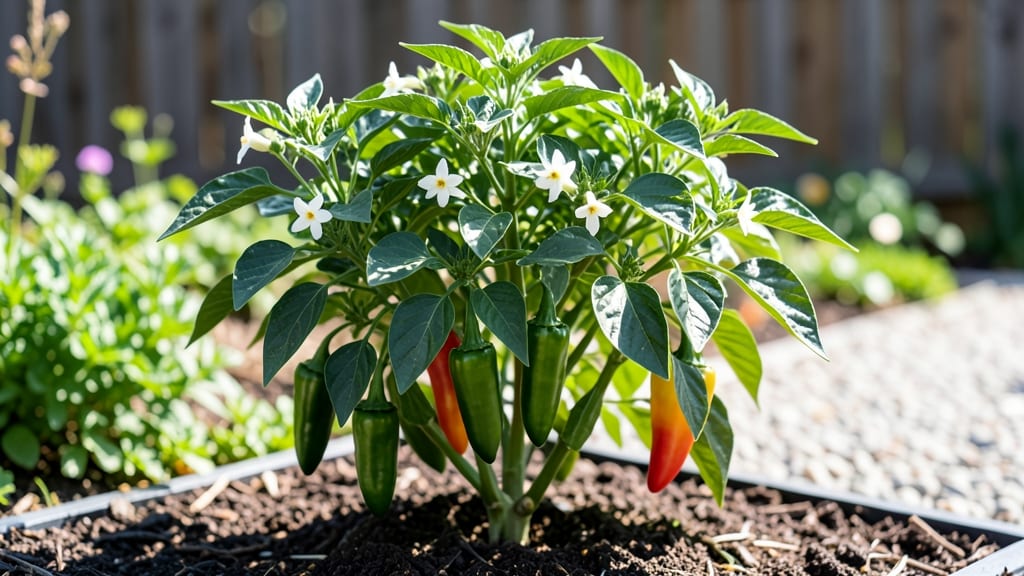
How to identify hot pepper plants starts with tiny leaves that look like baby bell peppers—but don’t be fooled. 🌱 The real giveaway is those fuzzy stems and jagged leaf edges that scream "spicy" before any fruit appears. I’ve spent years mistaking cayenne seedlings for weeds until I learned these subtle clues. Most gardeners overlook stem hairiness, but that’s your first red flag. Hot peppers develop fine white hairs along their stems, while bell peppers stay smooth. Even the flowers differ: hot peppers bloom white with yellow centers, while bells go straight to green without that telltale fuzzy stage. By the time fruit forms, the differences become obvious—hot peppers stay small and wrinkled, while bells plump up like little green globes. Check your seed packet or tag first; many hybrids blend traits, but those early stem hairs never lie. For tricky cases, snap a photo and compare it to a plant database. I keep a cheat sheet of my top 5 peppers—jalapeños, habaneros, and ghost peppers all have distinct leaf shapes that become clearer as they mature. Trust the process!
📚 In This Guide
- What you need
- Instructions
- Tips and common mistakes
- Wrapping up and next steps
What you need
- ○ Hand Lens or Magnifying Glass – A 10x magnification lens helps examine tiny details like leaf shape, stem hairs, and vein patterns. (Optional: A digital microscope for even closer inspection!)
- ● Measuring Tape or Ruler – To measure leaf width, stem thickness, and plant height for precise identification.
- ● Notebook & Pen – Jot down observations like leaf shape, hairiness, and plant structure to compare with pepper ID guides.
- ○ Gloves (Optional but Recommended) – Hot peppers can irritate skin, especially when handling mature plants. Nitrile gloves work great!
- ● Field Guide or Pepper ID App – A printed guide (like “The Pepper Book”) or apps like “Pepper ID” help cross-reference your findings.
- ● Pruning Shears – For safely snipping leaves or stems to study up close without damaging the plant.
- ● Grow Lights or Sunny Spot – If you’re starting seeds indoors, a full-spectrum LED grow light (or a south-facing windowsill) ensures healthy growth for comparison.
- ● Basic Plant Anatomy Knowledge – Familiarize yourself with terms like serrated edges, lobed leaves, and pubescence (fuzzy hairs). Quick YouTube tutorials or botany basics can help!
- ● Sample Peppers for Reference – If possible, compare your mystery plant to known hot peppers (e.g., jalapeños, habaneros, or ghost peppers) to spot similarities.
- ● Patience & Observation Skills – Hot peppers reveal their secrets over time! Monitor growth patterns, flower color, and fruit development.
How to identify hot pepper plants using key visual clues
Hot peppers reveal their spicy nature long before they bear fruit—here’s how to spot them early.
🌱 Step 1: Examine Leaf Shape and Arrangement
Hot peppers have distinct lance-shaped leaves that grow in pairs along the stem, unlike bell peppers, which have broader, single leaves. Start by checking the first true leaves—they’ll be long and narrow, tapering to a point. Hold a leaf between your fingers and notice how the edges curve slightly inward, almost like a teardrop.
Bell peppers, by contrast, have leaves that are more rounded or oval with smooth edges. If you see a pepper plant with deeply lobed or jagged leaves, it’s likely a decorative pepper (like a jalapeño or habanero), not a sweet variety. Compare side by side: hot pepper leaves feel almost waxy, while bell pepper leaves are softer to the touch.
🌿 Step 2: Check for Stem Hair and Texture
Run your fingers along the main stem—hot pepper plants often have fine, hairy stems, especially near the leaf nodes. These tiny hairs aren’t always visible to the naked eye but become noticeable when you brush your hand against them. Bell peppers usually have smoother, hairless stems that feel slicker under your fingertips.
Pay attention to the leaf undersides too. Hot pepper leaves often have a slightly fuzzy or downy texture, while bell pepper leaves are smoother. This hairiness helps identify plants even before flowers appear. If you’re unsure, pinch a small section of stem—hot pepper stems tend to be slightly sturdier and more woody than bell pepper stems.
☀️ Step 3: Look for Flower Clusters and Growth Habits
Hot peppers produce flowers in small clusters where the stem and leaf meet, often with white or pale yellow blooms. Bell peppers usually have single flowers that grow directly from the stem. Watch for compact, bushy growth—hot pepper plants tend to grow more upright and densely branched, while bell peppers sprawl wider.
If you see small, round fruits forming early (even if they’re green), they’re likely hot peppers. Bell peppers take longer to set fruit and often appear larger and blockier at the same growth stage. Check the fruit attachment point—hot peppers usually have a slight indentation where the stem meets the fruit, while bell peppers have a smoother connection.
✂️ Step 4: Test for Heat with a Simple Trick
Once flowers appear, wait for one pepper to mature slightly (about 30-45 days after flowering). Cut open a small pepper and taste a tiny piece—if it’s even mildly spicy, you’ve confirmed it’s a hot variety. Even if you can’t taste it, look for thin, pointed fruit shapes—these are classic signs of hot peppers.
Bell peppers stay thick and blocky, while hot peppers narrow toward the tip. If you’re growing from seed, this step saves time—you won’t need to wait for full maturity to identify the plant. Keep a notebook nearby: jot down leaf shape, stem hair, and flower clusters for future reference.
Tips & tricks for identifying hot pepper plants with confidence
These simple tricks will help you spot hot pepper plants before they even produce fruit—no guessing required.
Leaf Shape is Your First Clue: Focus on the first true leaves—hot pepper plants have lance-shaped leaves that grow in pairs along the stem. Hold a leaf between your fingers and notice how the edges curve inward like a teardrop. If the leaves are more rounded or oval with smooth edges, it's likely a bell pepper. Pro tip: Compare side by side with a known bell pepper plant to train your eye.
Stem Hair Reveals the Secret: Run your fingers along the main stem—hot pepper plants often have fine, hairy stems near the leaf nodes. These tiny hairs aren't always visible at first glance but become noticeable when you brush your hand against them. Bell pepper stems are usually smoother and slicker. This hairiness is especially noticeable on the undersides of leaves.
Growth Habits Tell the Story: Watch for compact, bushy growth and flowers that grow in small clusters where the stem meets the leaf. Bell peppers typically have single flowers growing directly from the stem and sprawl wider. This growth pattern is consistent from seedling stage through maturity, making it one of the most reliable early indicators.
Fruit Shape Gives Away the Game: Even before peppers mature, look for thin, pointed fruit shapes and slight indentations where the stem meets the fruit. Bell peppers stay thick and blocky at all stages. If you see small round fruits forming early (around 30-45 days after flowering), you're likely dealing with a hot pepper variety.
Pro Tips for Identify Hot Pepper Plants
- These simple tricks will help you spot hot pepper plants before they even produce fruit—no guessing required.
- Leaf Shape is Your First Clue: Focus on the first true leaves—hot pepper plants have lance-shaped leaves that grow in pairs along the stem.
- Stem Hair Reveals the Secret: Run your fingers along the main stem—hot pepper plants often have fine, hairy stems near the leaf nodes.
Frequently asked questions
Got questions about spotting hot pepper plants? You’re not alone! Here are answers to some of the most common queries to help you confidently identify those fiery friends in your garden.
How do I tell if a pepper plant is hot just by looking at it?
While leaf shape and stem hairiness are key clues (like serrated leaves or dense hairs), color and size can also hint at heat. Hot peppers often have darker green or purple leaves and smaller, thicker fruits. However, the only sure way to confirm heat level is by checking the variety or tasting (carefully!).
When is the best time to identify hot pepper plants in the garden?
Identify them early in the season (when seedlings sprout) or before flowering for the clearest clues. Once peppers form, focus on fruit shape and color—hot varieties like jalapeños or habaneros often turn red, orange, or yellow when ripe. If you’re unsure, wait until harvest to taste-test!
What if my pepper plant doesn’t match any of these traits—could it still be hot?
Some hot peppers (like ghost peppers) have smooth leaves and minimal hair, while others (like Thai chilies) mimic mild varieties. Check the plant label or ask your local nursery—many hot peppers are sold as "ornamental" or "decorative" due to their striking appearance. When in doubt, start with a small taste!
My pepper plant looks hot, but the fruits aren’t turning colorful. Is it still spicy?
Yes! Some hot peppers (like habaneros or Scotch bonnets) stay green until fully ripe, while others (like jalapeños) turn red but remain spicy. If the plant matches other hot pepper traits (hairy stems, serrated leaves), it’s likely fiery. Wait for full maturity—or try a tiny taste!
Can I use companion plants to help identify hot peppers?
Great idea! Plant basil or cilantro nearby—they thrive with peppers and can help distinguish them from tomatoes or herbs. Avoid planting hot peppers next to cucumbers or squash, as they compete for nutrients. If your garden has marigolds or nasturtiums, hot peppers often grow taller and bushier nearby!
Wrapping up and next steps
Identifying hot pepper plants is easier than you think—just watch for leaf shape, stem hairiness, and growth patterns! 🌱 Whether you're a seasoned gardener or a curious beginner, these clues will help you spot (and grow) fiery favorites like jalapeños, habaneros, or ghost peppers.
Now that you’re armed with knowledge, why not take the next step?
🌿 Your Action Plan:
- Start small: Grow a few varieties from seeds or seedlings to compare their traits up close.
- Experiment: Try pairing hot peppers with companion plants (like basil or onions) to boost flavor and pest control.
- Share the heat: Snap a photo of your pepper plants and tag us—we’d love to see your fiery harvest!
Happy growing, and may your garden be spicy successful! 🔥