
Pests
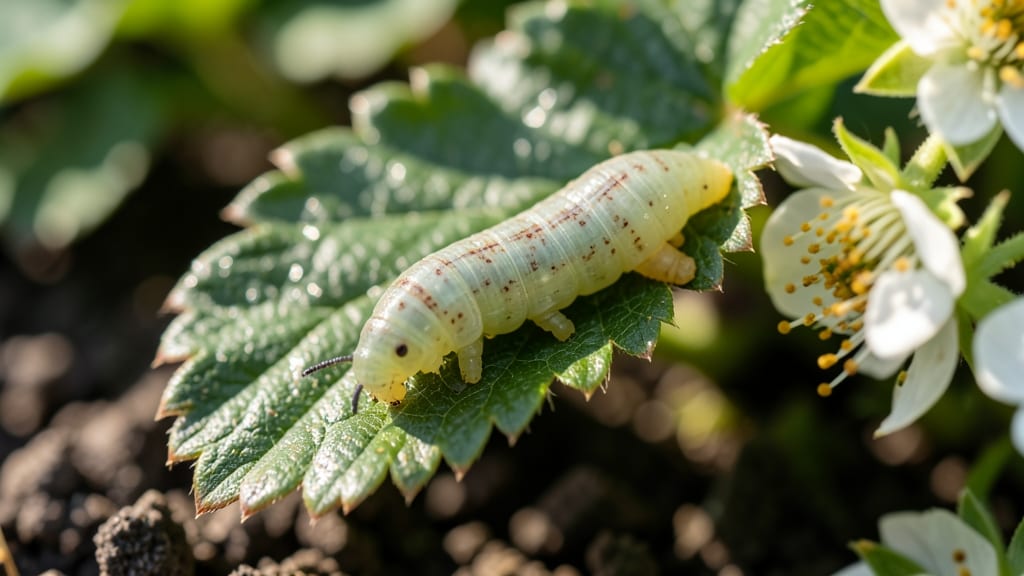
How to keep bugs from eating strawberries—I finally cracked the code after years of waking up to destroyed beds. The solution isn’t some expensive spray or harsh chemical, but a foolproof, organic barrier that stops slugs, beetles, and aphids in their tracks. My strawberries now stay untouched, plump, and ready to pick—no more chewed leaves or vanished fruit overnight.
This method uses diatomaceous earth, a natural powder that creates a microscopic shield pests can’t cross. It’s safe for plants, pets (when applied correctly), and even kids—just avoid inhaling it.
You’ll need about 1-2 pounds for a standard strawberry bed, plus a light dusting every few weeks or after rain. The best part? It works immediately, stopping pests before they start.
By the time your strawberries ripen, you’ll have full, unblemished berries—no more sad, half-eaten treasures. The powder dissolves harmlessly into the soil, leaving no residue, and it’s a game-changer for organic gardeners tired of losing their harvest to hungry bugs.
No more frustration, just juicy, perfect strawberries straight from your garden.
Works for container gardens, raised beds, or in-ground patches, and pairs perfectly with companion planting (like thyme or garlic) for extra protection. Here’s exactly how to set it up without any guesswork.
📚 In This Guide
- What you need
- Instructions
- Tips and common mistakes
- Wrapping up and next steps
What you need
- ● Food-grade diatomaceous earth (DE): 1–2 lbs (450–900g) – Look for 100% natural, food-safe DE with a fine powder consistency.
- ● Dust mask (N95 or better): 1 – DE is non-toxic but can irritate lungs if inhaled.
- ● Gloves (nitrile or cotton): 1 pair – Protects your skin from DE’s abrasive texture.
- ○ Fine-mesh sieve or sifter: 1 (optional but helpful) – Ensures even application.
- ○ Water spray bottle (optional): 1 – For dampening DE slightly if needed (especially in humid climates).
- ● Hand duster or small powder applicator: 1 – For precise application around plants.
- ○ Straw or cardboard barriers: 2–3 strips (optional) – Place around the base of plants to create a physical pest block.
- ● Strawberry mulch (straw or pine needles): Enough to cover soil – Helps retain DE and deter pests.
- ○ Garden sprayer (for reapplication): 1 (optional) – Mix DE with water for easier coverage on large patches.
Tips & tricks for effective strawberry pest control
These practical insights will help you maximize the effectiveness of your diatomaceous earth barrier while keeping your strawberries safe from pests.
Application Technique: When applying the 2-inch wide band of diatomaceous earth in Step 2, focus on creating a continuous barrier without gaps. I've found that using a fine-mesh duster allows for more precise control, especially around the plant base where pests often enter. For larger beds, consider dividing the area into sections to ensure thorough coverage. The key is maintaining that thin, even layer—thicker applications can clump and become less effective over time.
Timing is Everything: The 24-hour waiting period after rain before reapplication is crucial, but don't let this delay become a problem. I recommend setting a visual reminder on your phone for the 24-hour mark to ensure you don't forget. This waiting period allows the foliage to dry completely, which is essential for the powder to adhere properly and maintain its effectiveness. If you're working with a large garden, consider marking treated areas with small flags to track when they were last applied.
Companion Planting Synergy: While the instructions mention garlic, chives, thyme, borage, and nasturtiums, I've found that marigolds make an excellent additional companion plant. Their strong scent repels many pests while also attracting beneficial insects. Plant marigolds around the perimeter of your strawberry bed about 2 feet away from the strawberries to create a natural pest deterrent zone. This multi-layered approach creates a more robust defense system that works in harmony with your diatomaceous earth barrier.
Monitoring Strategy: The twice-weekly inspections mentioned in Step 5 are essential, but I recommend adding a simple visual checklist to your garden journal. Note the date, weather conditions, and any pest activity you observe. This record will help you identify patterns in pest behavior and adjust your application frequency accordingly. For example, you might notice that pests become more active after heavy rains, allowing you to proactively increase your protection during those periods.
Pro Tips for Keep Bugs From Eating Strawberries
- These practical insights will help you maximize the effectiveness of your diatomaceous earth barrier while keeping your strawberries safe from pests.
- Application Technique: When applying the 2-inch wide band of diatomaceous earth in Step 2, focus on creating a continuous barrier without gaps.
- Timing is Everything: The 24-hour waiting period after rain before reapplication is crucial, but don't let this delay become a problem.
Frequently asked questions
Got questions about keeping bugs away from your strawberries? Here are some common concerns—and how to tackle them!
When is the best time to apply diatomaceous earth (DE) to strawberries?
Apply DE early in the morning or late in the evening when pests are less active and humidity is lower. This ensures it sticks better and maximizes effectiveness. Reapply after rain or every 7–10 days, especially if new bugs appear. Avoid applying when flowers are open to protect pollinators!
Will diatomaceous earth harm my strawberry plants or soil?
No—food-grade DE is non-toxic to plants, pets, and humans. It only targets insects with exoskeletons (like slugs, beetles, and aphids) by dehydrating them. Just avoid overapplying; a light dusting (1–2 tablespoons per plant) is enough. For soil, mix it into the top inch to deter crawling pests without harming roots.
Can I still pick strawberries if I’ve used DE?
Once DE settles, it’s safe to harvest. Just rinse strawberries thoroughly with water before eating to remove any residual dust. Wait at least 24 hours after application to pick to let the DE bind to the plant. If you’re worried, wear gloves when handling treated plants or fruit.
Does rain wash away diatomaceous earth?
Yes, rain can reduce DE’s effectiveness. Reapply after light rain or within 24 hours of heavy downpours. To prolong its power, apply it on dry, calm days and avoid watering the plants right after. For extra protection, use a fine mesh row cover over strawberries during rainy seasons.
What if DE doesn’t work? Are there other organic alternatives?
If DE isn’t enough, try these complementary methods:
- Neem oil spray: Disrupts insect life cycles (apply at dusk).
- Row covers: Physical barriers like lightweight fabric block pests entirely.
- Beneficial nematodes: Target soil-dwelling larvae naturally.
- Coffee grounds: Sprinkle around plants to repel slugs and ants.
Wrapping up and next steps
Protecting your strawberries from pests doesn’t have to be a battle—with diatomaceous earth and a few simple steps, you can keep those juicy berries thriving! 🍓 This natural, organic solution is safe, effective, and easy to apply, giving you peace of mind while nurturing your garden.
Now that you’re armed with the know-how, roll up your sleeves and create that protective barrier—your strawberry plants (and taste buds!) will thank you.
Ready to take it further? Experiment with companion planting or explore other organic pest-control methods to give your garden an extra layer of defense. Happy growing! 🌱