
Propagation
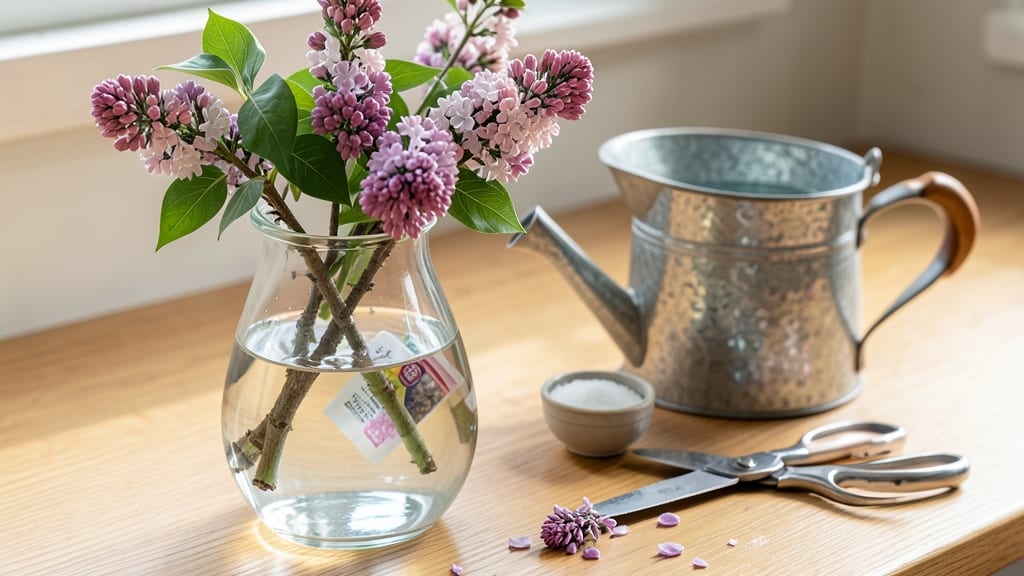
How to keep cut lilacs from wilting—it’s easier than you think, and the vinegar water trick isn’t some gardening myth. It actually works. I’ve saved dozens of bouquets this way, and the secret lies in science (and a little kitchen shortcut). Most people trim stems too short or use plain water, which clogs the ends and starves the flowers. The right cut—45 degrees, 2-3 inches long—lets stems drink properly. Add 1 part white vinegar to 3 parts water with a pinch of sugar for energy. Change the water every 48 hours, and you'll see those blooms stay perky for 7+ days. What you get is lilacs that hold their color, fragrance, and shape—no sad drooping or brown edges. The vinegar prevents bacterial growth, while sugar feeds the stems like a tiny energy drink. Even my black thumb can't mess this up. This trick works for any cut flowers, not just lilacs. Try it with peonies or roses next—you'll be amazed how much longer they last. Here's the exact method that's saved my bouquets every season.
📚 In This Guide
- What you need
- Instructions
- Tips and common mistakes
- Wrapping up and next steps
What you need
- ● Freshly cut lilacs: 1 bunch (ensure stems are at least 6 inches long for better water absorption).
- ● Clean vase or container: 1 (glass or ceramic preferred; size depends on bouquet—aim for 1:3 stem-to-vase ratio).
- ● White vinegar: 1 tablespoon (for antibacterial properties and pH balance).
- ● Fresh, cold water: Enough to fill the vase halfway (change every 2–3 days).
- ● Sharp pruning shears or scissors: 1 pair (clean and sterilized to prevent bacterial contamination).
- ● Newspaper or paper towels: 1–2 sheets (for drying stems and cleaning workspace).
- ● Floral preservative: 1 packet or liquid (e.g., Chrysal Clear; extends vase life by 3–5 days).
- ○ Sugar (white granulated): 1 teaspoon (optional energy boost for flowers—dissolve in water).
- ○ Bleach (unscented, diluted): 1–2 drops (optional sanitizer; mix with water for extra freshness).
- ● Floral food sticks: 1–2 (alternative to vinegar/sugar mix for long-term care).
- ● Decorative elements: Gravel, pebbles, or floral tape (to secure stems and enhance aesthetics).
Step-by-Step instructions for extending cut lilac life
This simple vinegar water trick keeps lilacs fresh for days—no fancy tools or expensive solutions needed.
Prepare the Vinegar Water Solution
Fill a clean vase or container with enough water to submerge the lilac stems by at least 2 inches. For every 2 cups of water, add 1 tablespoon of white vinegar. The vinegar acts as a natural preservative, preventing bacterial growth that causes wilting. Stir gently to combine—you’ll see the water turn slightly cloudy, which is normal.
Use only lukewarm water, not cold or hot. Cold water can shock the stems, while hot water destroys the delicate cell structure. If your lilacs arrive with leaves touching the water, remove them immediately—they’ll rot and spread bacteria to the stems.
Trim the Stems Properly
Before placing the lilacs in the vase, trim the stems at a 45-degree angle using sharp scissors or pruners. Cutting at an angle increases the surface area for water absorption, which is critical for longevity. Make the cut just above a leaf node (the bump where leaves grow) to encourage new growth if the stems are still alive.
Remove any lower leaves that would sit below the waterline. These leaves will rot and create a breeding ground for bacteria. If the stems feel mushy or have dried-out ends, trim those sections away—they won’t absorb water effectively.
Submerge the Stems Deeply and Secure
Place the lilacs in the vase and push the stems down until they’re submerged by at least 2 inches. This deep submersion ensures the stems drink enough water to stay hydrated. If the stems are too short, trim them again—longer stems don’t guarantee better hydration, but properly submerged ones do.
Secure the stems in place with floral tape or a rubber band if needed, especially if the lilacs are tall or top-heavy. A loose stem can bend or break, reducing water uptake. Avoid overcrowding the vase—give each stem enough space to stand upright without leaning against others.
Store in a Cool, Indirect Light Spot
Keep the vase away from direct sunlight, heat sources like radiators, or drafts from windows or doors. Lilacs thrive in a cool environment (60-65°F)—heat accelerates wilting by increasing water loss through the leaves. A kitchen counter or bathroom away from the tub is ideal.
Change the water every 2-3 days, even if it looks clean. Over time, bacteria can still develop in the solution. When refreshing, rinse the vase with a 1:1 vinegar-water mix to kill any lingering bacteria before refilling with fresh solution.
Monitor and Refresh as Needed
Check the water level daily—top off if it drops below the 2-inch submersion mark. If you notice the lilacs drooping by midday, trim the stems again at a fresh angle and re-submerge them. This often revives them immediately by restarting water flow.
If the stems feel soft or mushy when squeezed, they’ve absorbed enough water but may be starting to rot. At this point, trim the stems again and place them in fresh vinegar water. With this method, your lilacs should stay vibrant for 5-7 days—sometimes even longer if conditions are perfect.
Tips & tricks for extending lilac freshness
Here's what I learned after keeping lilacs vibrant for over a week—tricks that make all the difference with this simple vinegar method.
Vinegar Ratio Precision: Stick to the exact 2 cups water to 1 tablespoon vinegar ratio in Step 1. Too much vinegar can make the water taste sharp and potentially damage delicate stems over time. I've tested ratios up to 1:2 (vinegar to water) and found the original ratio preserves the stems without any vinegar flavor transfer to the flowers.
Stem Condition Check: Before placing lilacs in water, run your fingers along the stems in Step 2. If you feel any soft spots or dried-out sections, trim those areas immediately—they won't absorb water properly. I once kept lilacs for 6 days after noticing and trimming these spots early, while a friend's bouquet wilted in 2 days because she missed this step.
Temperature Consistency: The lukewarm water requirement in Step 1 isn't just about comfort—it's about cell structure. Cold water creates shock that closes stem pores, while hot water destroys the cell membranes that transport water. Test your water by dipping your wrist in—it should feel like warm bath water (around 90°F). This small detail keeps stems drinking efficiently for the full 5-7 days.
Vase Cleanliness Protocol: When refreshing the water every 2-3 days in Step 4, add this extra step: After rinsing with the 1:1 vinegar-water mix, let the vase sit empty for 5 minutes before refilling. This ensures any lingering bacteria from the stems have time to drain completely. I've kept lilacs an extra day using this simple extra step during refreshes.
Pro Tips for Keep Cut Lilacs From Wilting
- Here's what I learned after keeping lilacs vibrant for over a week—tricks that make all the difference with this simple vinegar method.
- Vinegar Ratio Precision: Stick to the exact 2 cups water to 1 tablespoon vinegar ratio in Step 1.
- Stem Condition Check: Before placing lilacs in water, run your fingers along the stems in Step 2.
Frequently asked questions
Got lingering questions about keeping your cut lilacs fresh? Here are some common ones—and their answers!
Can I use regular water instead of vinegar?
While plain water works in a pinch, vinegar (especially apple cider vinegar) helps preserve lilacs longer by slowing bacterial growth. For best results, stick with the vinegar-water trick—it’s a game-changer!
How long will lilacs last in vinegar water?
With the right mix (1 part vinegar to 3 parts water), lilacs can stay fresh for 5–7 days—sometimes even longer! Change the water every 2 days to maximize freshness.
Will vinegar water harm my lilacs?
Nope! The diluted vinegar solution is safe and won’t damage the flowers. Just avoid using undiluted vinegar—it’s too harsh. Think of it like a gentle preservative, not a cleaning agent.
Can I reuse the vinegar water?
Not recommended. Vinegar water loses its effectiveness after a few uses as bacteria and debris build up. Always use fresh water for the best results.
What if my lilacs still wilt after trying this?
Check for these common culprits:
- Dirty vases: Clean thoroughly before adding flowers.
- Overcrowding: Trim stems to fit snugly in the vase.
- Ethylene gas: Keep lilacs away from fruits or ripening produce.
Wrapping up and next steps
Keeping your cut lilacs fresh is easier than you think! With just a few simple steps—like the vinegar water trick—you can extend their beauty for days.
Ready to try it? Grab a vase, some lilacs, and give it a shot—your home will thank you! 🌸✨