
Pests
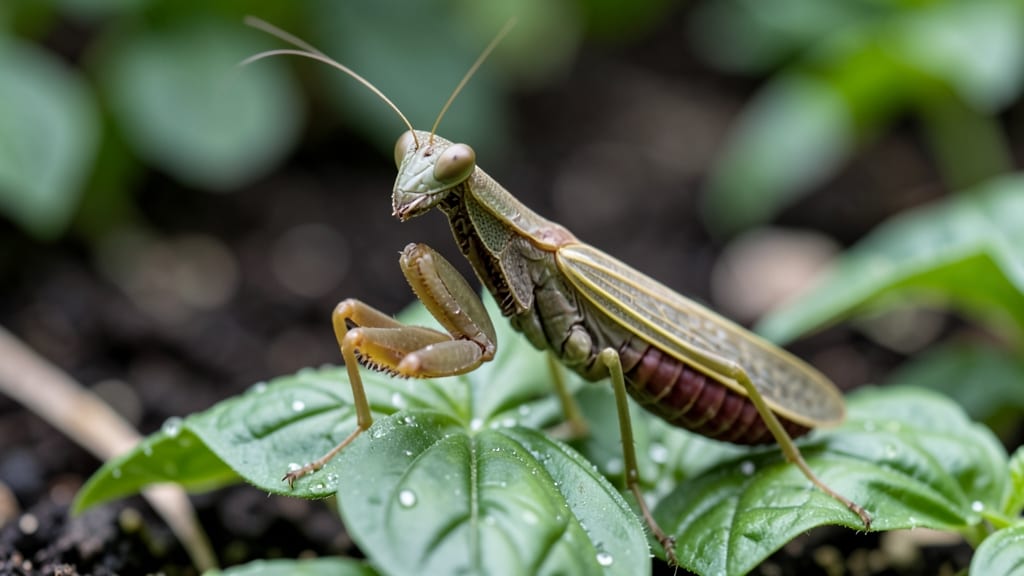
How to keep insects away from your garden shouldn’t mean sacrificing plant health—or your peace of mind. Chemical sprays often do more harm than good, leaving you stuck between protecting your greens and risking damage to the very plants you’re trying to save.
What if I told you there’s a smarter way? Repellent plants like marigolds, basil, and lavender 🌿 can act as natural bodyguards, warding off pests with their scent alone. These aren’t just pretty additions—they’re science-backed solutions that work without harsh chemicals.
In this guide, you’ll discover the top 10 plant-based repellents that deter everything from aphids to mosquitoes, plus how to strategically place them in your garden. No more guessing—just proven, easy-to-implement tactics to keep your garden thriving.
Ready to ditch the sprays and embrace a greener, pest-free approach? Let’s get started—your plants (and your sanity) will thank you.
Top 10 plant-based repellents to naturally deter garden insects
If you’ve ever watched your hard-earned tomatoes get skeletonized by hornworms or your roses turn into aphid buffets, you know how frustrating garden pests can be. The good news? Nature already provides powerful pest deterrents—no harsh chemicals required.
These top 10 repellent plants use scent, texture, and even visual tricks to keep insects at bay while adding beauty and fragrance to your garden.
What makes these plants so effective? Many contain natural compounds like pyrethrin (in chrysanthemums) or limonene (in citrus), which disrupt insects’ nervous systems or mask the scent of vulnerable plants. Others, like garlic and chives, release sulfur compounds that repel a wide range of pests.
The key is strategic placement—interplanting or creating borders with these allies to protect your favorite crops.
🌿 PRO TIP: For maximum impact, combine 3-5 repellent plants around your garden’s perimeter. This creates a multi-layered defense system that confuses and deters pests before they reach your vegetables or flowers.
| Plant | Target Pests | How It Works | Planting Tip |
|---|---|---|---|
| Marigolds | Aphids, Mosquitoes, Beetles | Contains pyrethrin; strong scent confuses pests | Plant near tomatoes, peppers, and roses |
| Basil | Mosquitoes, Whiteflies, Thrips | Eugenol disrupts insect mating signals | Grow near peppers, tomatoes, and oregano |
| Lavender | Moths, Fleas, Mosquitoes | Strong fragrance masks plant scents | Plant near fruit trees and roses |
| Nasturtiums | Aphids, Squash Bugs, Cucumber Beetles | Traps pests with edible flowers | Interplant with squash, cucumbers, and beans |
| Garlic | Aphids, Japanese Beetles, Spider Mites | Allicin repels pests with pungent smell | Chop and scatter around garden edges |
| Rosemary | Cabbage Moths, Carpet Beetles, Mosquitoes | Camphor and eucalyptol deter pests | Plant near brassicas and fruit trees |
| Chives | Aphids, Carrot Flies, Japanese Beetles | Sulfur compounds confuse pests | Interplant with carrots, apples, and roses |
| Mint | Ants, Mice, Mosquitoes |
How to use companion planting and homemade sprays for maximum protectionCompanion planting isn’t just about boosting yields—it’s a powerful pest-deterrent strategy. By pairing repellent plants with vulnerable crops, you create a natural barrier that confuses insects and disrupts their life cycles. For example, basil planted near tomatoes repels thrips and whiteflies, while nasturtiums lure aphids away from your cabbage or roses. The key is strategic placement: border your garden with marigolds or lavender to create a scent-based shield. Homemade sprays are another game-changer for organic pest control. Unlike synthetic chemicals, these plant-based solutions are safe for your soil, pollinators, and even pets. My go-to recipe? A garlic-chili spray that deters aphids, caterpillars, and mosquitoes. Simply blend 1 chopped garlic bulb, 1 tbsp cayenne pepper, and 1 quart of water, then strain and spray on foliage. For a broader-spectrum approach, neem oil disrupts insect feeding and reproduction—just mix 1 tbsp neem oil, 1 tsp mild soap, and 1 quart of water, then apply in the evening to avoid harming bees. Companion Planting Pros & Cons✅ Pros
❌ Cons
For homemade sprays, timing is everything. Apply garlic-chili sprays in the early morning or late evening to avoid harming beneficial insects like ladybugs and lacewings. Reapply every 7–10 days or after rain, focusing on the undersides of leaves where pests hide. Neem oil works best when applied to damp foliage—spray in the evening to allow it to absorb overnight. Pro tip: Add a drop of dish soap to help the solution stick, but use mild soap only to avoid damaging plant cells. Don’t overlook physical barriers as part of your integrated pest management (IPM) strategy. Row covers made of lightweight fabric protect cabbage, broccoli, and carrots from cabbage worms and carrot flies, while collars around seedlings prevent cutworms from severing stems. For mosquito control, plant citronella grass or lemongrass near seating areas—just be sure to prune regularly to encourage dense growth, which boosts their repellent oils. Seasonal shifts demand adaptive strategies. In spring, focus on preventive planting—surround new seedlings with repellent herbs like dill or fennel to deter root maggots. By summer, monitor for aphid outbreaks and deploy homemade sprays proactively. In fall, clean up debris and mulch heavily to starve overwintering pests like slugs and earwigs. A little seasonal planning goes a long way in keeping your garden pest-free year-round. Remember, the healthiest gardens are those with diverse ecosystems. By combining companion planting, homemade sprays, and physical barriers, you’re not just repelling insects—you’re building resilience into your garden’s foundation. Start small with 1–2 repellent plants this season, and watch how quickly your pest problems shrink while your harvests thrive. 🌱 |