
Blooming
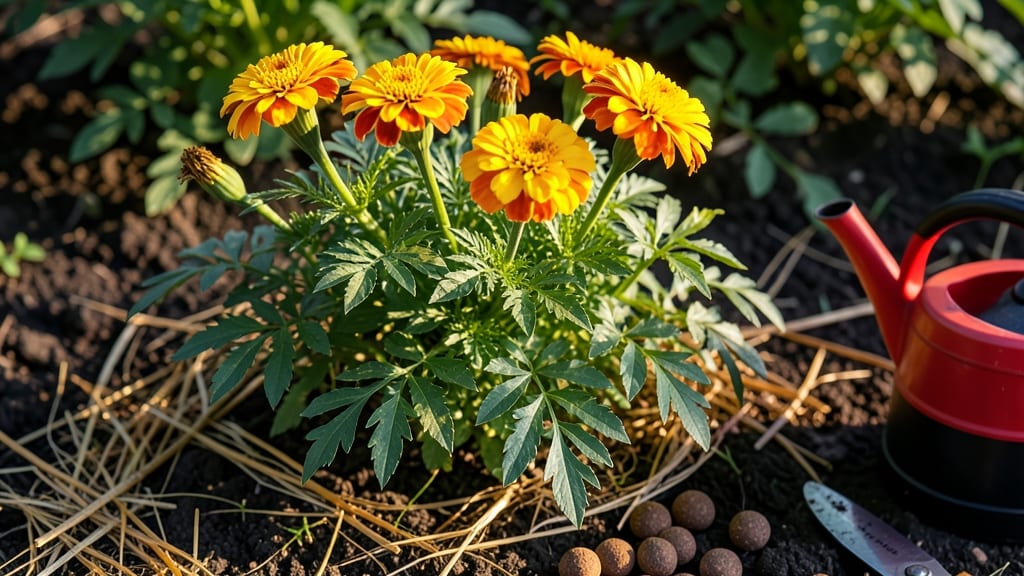
How to keep marigolds blooming after all that planting? 🌻 I’ve turned my once-lazy plants into nonstop bloomers with three simple habits—pruning, feeding, and deadheading. The difference is shocking: what used to be a single flush of flowers now lasts from June until frost. The secret isn’t complicated: snip spent blooms to encourage new ones, feed lightly every 4-6 weeks, and keep them in full sun. Overwatering or too much shade kills the blooming impulse faster than anything. My French marigolds now produce dozens of flowers per stem instead of just a few. You’ll see fresh buds forming within 10-14 days after deadheading, and the plants stay compact and bushy. The key is consistency—skip a step, and you’ll lose that continuous color. Works for all marigold types, from dwarf to giant. Let’s get those blooms going!
📚 In This Guide
- What you need
- Instructions
- Tips and common mistakes
- Wrapping up and next steps
What you need
- ● Marigold plants: Healthy, established varieties (e.g., French, African, or Signet marigolds). Choose disease-resistant types if your climate is humid.
- ○ Pruning shears or sharp scissors: Clean, sterilized tools (rubbing alcohol works) to avoid spreading disease. Optional: Small handheld pruners for precision.
- ● Garden gloves: Protect your hands from thorns (especially African marigolds) and dirt.
- ● Balanced fertilizer (10-10-10 or 20-20-20): 1–2 tbsp per plant, applied every 4–6 weeks during the growing season.
- ○ Slow-release granular fertilizer (optional): 1 cup per 10 sq ft of planting area, mixed into soil at the start of the season.
- ● Compost or well-aged manure: 2–3 inches mixed into the topsoil before planting for nutrient-rich soil.
- ● Mulch (straw, shredded leaves, or pine needles): 2–3 inches thick to retain moisture and suppress weeds.
- ● Watering can or hose with a gentle spray nozzle: Water at the base (avoid wetting leaves to prevent mildew). Pro tip: Early morning watering 🌅 reduces fungal risks!
- ○ Garden twine or stakes (optional): For tall varieties (like African marigolds) to support heavy blooms.
- ○ Spray bottle with neem oil (optional): 1 tsp neem oil + 1 quart water to deter pests like aphids or whiteflies.
- ○ pH test kit (optional): Ideal soil pH for marigolds: 6.0–7.0. Adjust with lime (to raise pH) or sulfur (to lower) if needed.
- ○ Sunlight gauge (optional): Marigolds thrive in full sun (6+ hours/day). A simple light meter or observation helps!
Step-by-Step instructions for pruning, feeding, and deadheading marigolds
Here's how I keep my marigolds flowering like crazy—no fancy tools, just smart timing and a little elbow grease.
🌿 Step 1: Prune for Bushier Growth
Start by examining your marigolds for leggy stems or branches growing away from the center. These are your first targets—cut them back to just above a leaf node where new growth will emerge. I like to use clean, sharp pruners (or even scissors) to avoid tearing stems. This encourages the plant to focus energy on producing more blooms rather than stretching upward.
Wait until morning when the plants are dry to prune—wet stems can attract fungal diseases. After each cut, I like to pinch off any flower buds that might be forming on those leggy stems. You'll see new side shoots forming within a week or two, and those will soon produce more flowers. The key is to keep the plant compact and full rather than letting it grow tall and sparse.
✂️ Step 2: Deadhead Regularly for Continuous Blooms
Deadheading is where the magic happens for marigolds. As soon as a bloom fades and its petals start to drop, snip the entire flower stem back to the first set of leaves or the main stem. I use my fingers to pinch off smaller blooms rather than cutting—it's faster and less messy. This prevents the plant from wasting energy on seed production, which would otherwise slow down new flower formation.
Here's the thing—don't wait until flowers are completely dead. The moment you see petals curling or browning, that's your cue. I deadhead every 2-3 days during peak bloom season. You'll notice within a week that new buds are forming more quickly, and your plant will look fuller and more vibrant. This is especially important in hot climates where marigolds naturally slow down their blooming.
💧 Step 3: Feed with Balanced Fertilizer
Marigolds are heavy feeders, so I apply a balanced, water-soluble fertilizer (like 10-10-10) every 3-4 weeks during the growing season. Mix it according to package instructions and apply it to the soil around the base of the plant, not the leaves. Water thoroughly after feeding to help distribute the nutrients. The goal is to encourage strong root development and abundant flowering.
I've learned the hard way that over-fertilizing leads to lush foliage but fewer flowers. The secret is moderation—stick to the recommended dosage. You'll see the difference in about 10 days when new growth appears darker green and more vigorous. For organic gardeners, compost tea or fish emulsion work well too, just dilute them properly to avoid burning the roots.
☀️ Step 4: Maintain Proper Light and Water
Marigolds need full sun—at least 6-8 hours daily—to produce their best blooms. If you notice flowers fading quickly or stems growing weak, your plant might need more light. I always check the position of my marigolds when planning new plantings. During heatwaves, I water deeply in the morning to keep the soil consistently moist but not soggy.
Here's where many gardeners go wrong—they either underwater or overwater. Let the top 1-2 inches of soil dry out between waterings. You'll know you're doing it right when the leaves stay crisp and green, not wilting or yellowing. Mulching around the base helps retain moisture and keeps roots cool, which is especially helpful in hot afternoons.
Tips & tricks for perfect marigold care
Keeping marigolds in full bloom takes just a few strategic moves—and avoiding these common mistakes makes all the difference.
Timing Secret: The 2-3 day deadheading schedule in Step 2 is non-negotiable during peak bloom season. I've seen marigolds go from vibrant to sparse in just two weeks when gardeners skip this step. The moment you notice petals curling or browning, that's your cue to act. Pro tip: Set a phone reminder every other day if you tend to forget—those new buds will form within days of consistent deadheading.
Pruning Precision: When pruning leggy stems in Step 1, always cut just above a leaf node where new growth emerges. This might seem like a small detail, but it's what triggers those side shoots that produce more flowers. I learned this the hard way after snipping too low and getting sparse growth. Use sharp pruners and make clean cuts to prevent tearing—this minimizes stress on the plant.
Fertilizer Strategy: The 3-4 week feeding schedule in Step 3 works perfectly, but timing matters. Apply fertilizer in the morning when temperatures are cooler, and always water thoroughly afterward. This prevents root burn from concentrated nutrients. I've found that splitting the recommended dosage into two lighter applications (morning and evening) works even better in hot climates.
Light and Water Balance: Marigolds need that full sun (6-8 hours daily), but don't let the soil dry out completely between waterings. The top 1-2 inches should dry out—you can test this by sticking your finger into the soil. In containers, marigolds dry out faster, so check daily during heatwaves. Mulching with straw or shredded leaves helps maintain even moisture and keeps roots cool.
Pro Tips for Keep Marigolds Blooming
- Keeping marigolds in full bloom takes just a few strategic moves—and avoiding these common mistakes makes all the difference.
- Timing Secret: The 2-3 day deadheading schedule in Step 2 is non-negotiable during peak bloom season.
- Pruning Precision: When pruning leggy stems in Step 1, always cut just above a leaf node where new growth emerges.
Frequently asked questions
Got questions about keeping your marigolds in full bloom? You’re not alone! Here are some of the most common concerns—and their solutions—to help you maintain those vibrant blooms all season long.
Why are my marigolds stopping blooms so early?
Marigolds often fade early due to overcrowding, nutrient depletion, or lack of sunlight. Thin plants to 12–18 inches apart, fertilize with a balanced bloom booster (like 10-10-10), and ensure they get 6+ hours of direct sun daily. Deadheading spent blooms also encourages new growth!
How often should I deadhead marigolds for continuous blooms?
Deadhead every 2–3 days during peak bloom season (spring to fall) to redirect energy to new flowers. Use clean pruners or pinch off faded blooms by hand. Pro tip: If you’re busy, aim for at least weekly deadheading—it makes a noticeable difference!
Can I use coffee grounds or eggshells to boost marigold blooms?
Yes! Both are excellent organic amendments. Coffee grounds add nitrogen (great for foliage), while crushed eggshells provide calcium. Mix ½ cup of grounds or 1 cup of eggshells into the soil monthly. Bonus: They also deter pests like aphids and slugs!
What’s the best fertilizer for marigolds to keep them flowering?
Use a low-nitrogen, high-phosphorus fertilizer (like 5-10-5 or 7-9-5) to promote blooms over leafy growth. Apply every 3–4 weeks during the growing season. Avoid over-fertilizing—marigolds are light feeders and can get leggy if overfed.
Will marigolds rebloom if I cut them back hard?
Yes! If your marigolds look woody or overgrown, prune them back by ⅓ to ½ in early summer. This stimulates new growth and a second flush of blooms. Just avoid cutting into old wood—focus on fresh, green stems for best results.
Why do my marigolds have holes, but no blooms?
Holes in leaves usually mean pests like aphids, slugs, or Japanese beetles are munching on your plants. Spray with neem oil or introduce beneficial nematodes for slugs. If pests are under control but blooms still lag, check for underwatering or root-bound soil.
Wrapping up and next steps
Keeping your marigolds blooming is all about consistent care—pruning for shape, deadheading spent blooms, and feeding them the right nutrients. With a little patience and attention, your garden will burst with vibrant color all season long! 🌼✨
Ready to put these tips into action? Grab your gardening tools and start transforming your yard into a nonstop floral show. Happy gardening! 🌱💛