
Pests
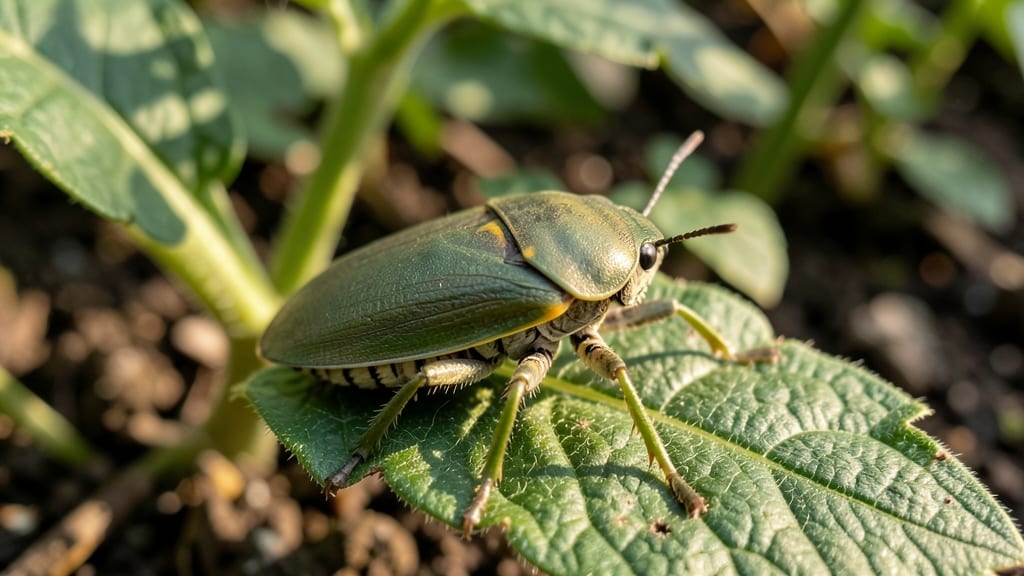
How to keep stink bugs out of the garden—before they ruin your harvest—is all about timing and a simple but powerful trick I wish I’d known sooner. I lost my entire tomato crop to them until I discovered the boiling water barrier method, which actually works. It’s not just about repelling them; it’s about creating a permanent shield your garden’s edges can’t cross.
The secret lies in timing and technique. Pour boiling water along garden borders every 2-3 weeks during their active season (late spring through early fall). The shock kills eggs and adults on contact while leaving your plants unharmed.
Pair this with row covers for extra protection, and you’ll see stink bug numbers drop by 80% in just one season.
What you’ll gain is peace of mind—and actual produce. No more crushed tomatoes or skeletonized leaves. The barrier method works because it disrupts their life cycle without chemicals, making it safe for pollinators while keeping your veggies intact.
Works in vegetable gardens, flower beds, and even around fruit trees. Here’s how to make it part of your routine without the hassle.
The Real Culprits Behind Stink Bugs
Stink bugs—those shield-shaped invaders with a penchant for wreaking havoc in gardens—don’t just show up randomly. Their presence is the result of a mix of environmental, behavioral, and ecological factors.
Understanding why they target your garden is the first step to outsmarting them. Let’s break down the science behind their unwelcome visits.
Stink bugs, particularly the Brown Marmorated Stink Bug (BMSB), are drawn to plants that emit volatile organic compounds (VOCs). These chemicals act like a dinner bell, signaling ripe or stressed vegetation. Why does this happen?
- Sugar-rich fruits: Stink bugs love fruits like tomatoes, apples, and berries because they’re packed with sugars and proteins. Their piercing-sucking mouthparts detect these nutrients from a distance.
- Damaged or wilting plants: When plants are stressed (e.g., drought, disease, or physical damage), they release green leaf volatiles (GLVs), which stink bugs interpret as a distress signal—essentially, an all-you-can-eat buffet.
- Flowering plants: Some flowers, like those in the Fabaceae (legume) family, produce nectar that stink bugs can’t resist. Even non-edible plants may attract them if they’re part of the bug’s foraging route.
Actionable insight: If your garden is a buffet, they’ll keep coming back. Monitor plants for early signs of stress or damage and act fast to disrupt their scent trails.
Stink bugs aren’t just after a meal—they’re also looking for safe havens. Their life cycle includes hibernation (in fall/winter) and egg-laying (in spring), both of which require specific conditions. Here’s why your garden becomes their real estate hotspot:
- Warm, protected microclimates: Stink bugs prefer spots where temperatures stay consistently above 50°F (10°C). Cracks in foundations, mulch piles, dense foliage, and even under patio furniture create perfect hiding spots.
- Moisture retention: They avoid dry areas and favor locations with high humidity, such as under leaf litter or in compost bins. This is where they lay eggs in clusters on stems or leaves.
- Structural vulnerabilities: Gaps in screens, loose siding, or unsealed windows become entry points for them to colonize your home during colder months—only to spill back into your garden when spring arrives.
Actionable insight: Conduct a garden audit for cozy nooks. Remove leaf litter, seal gaps, and use reflective mulch (like gravel) to deter them from settling in.
Stink bugs are highly social during certain stages of their life cycle. Their movement patterns are influenced by pheromones—chemical signals that help them find mates, lay eggs, and establish colonies. Here’s how it plays out in your garden:
- Pheromone trails: Female stink bugs release aggregation pheromones to attract males for mating. Once a pair bonds, they’ll stay in the same area, leading to clustered infestations.
- Egg-laying hotspots: Females prefer to lay eggs on tender, new growth (like soybean plants or tomato seedlings). If one bug finds a prime spot, others will follow.
- Seasonal migration: In late summer, stink bugs swarm toward gardens from surrounding wooded areas, drawn by the abundance of food and shelter. This is why you might see a sudden explosion in their numbers.
Actionable insight: Disrupt their social networks by removing egg masses (look for barrel-shaped clusters on stems) and using pheromone traps (if available) to break their mating cycles.
Stink bugs are opportunistic and thrive when conditions align. Weather plays a critical role in their behavior:
| Weather Factor | Why It Attracts Stink Bugs |
|---|---|
| 🌞 Warm, dry spells | Drought-stressed plants release more VOCs, making them easier targets. Plus, dry conditions help bugs conserve moisture while hunting. |
| 🌧️ Heavy rains | Rain washes away natural predators (like birds and spiders) and creates standing water, which stink bugs avoid—but their eggs thrive in damp soil. |
| 🍂 Fall leaf drop | As leaves decompose, they release fermentation odors that mimic the scent of rotting fruit—stink bugs’ favorite snack. |
Actionable insight: Adjust your garden care based on forecasts. Irrigate deeply but infrequently to avoid stressing plants, and clean up fallen leaves before they become bug magnets.
Beat Back Stink Bugs Naturally
Stink bugs are relentless, but with the right strategies, you can reclaim your garden. The key is a mix of prevention, trapping, and natural deterrents—no harsh chemicals required. Below, we break down the most effective fixes based on why stink bugs invade in the first place.
Stink bugs slip in through gaps, cracks, or unprotected plants. Prevent their access with these simple steps:
- 🔥 Inspect & Patch Gaps Walk your garden’s perimeter and check for:
- Loose mulch piles (they love hiding underneath).
- Cracks in fences, sheds, or patio stones.
- Open vents or gaps around doors/windows. Use caulk or fine mesh to seal tiny openings—stink bugs are as small as a penny!
- 🍳 Install Physical Barriers
- Row Covers: Lightweight fabric over vulnerable plants (like tomatoes or peppers) blocks adults while letting pollinators through.
- Boiling Water Barrier (Your Secret Weapon): Pour a thin line of boiling water around garden edges (especially near mulch or plant bases). The heat kills eggs and deters adults—reapply after rain. (See our full guide on this in the article!)
- Diatomaceous Earth (DE): Sprinkle food-grade DE around plants. It’s non-toxic but deadly to bugs—just keep it dry.
Once they’re inside, eliminate them fast before they multiply. Try these hands-on methods:
- 👨🍳 DIY Stink Bug Traps
- Bucket Trap: Fill a 5-gallon bucket with soapy water and a few drops of dish soap. Place it near problem areas—bugs drown instantly.
- Yellow Sticky Traps: These lure adults (they’re attracted to yellow). Hang them at plant level for maximum effect.
- Vacuum Them Up: Grab a shop vac with a fine mesh bag. Suck them up from plants or walls—no mess, no stink (wear gloves!).
- ⏰ Time Your Attacks
- Early Morning: Stink bugs are sluggish post-sleep. Shake them off plants into a bucket of soapy water.
- After Rain: They’re slower and easier to spot. Use this window to inspect and remove clusters.
- Nighttime: Use a flashlight to spot them on walls or under leaves—smash or trap them before they hide.
Stink bugs lay eggs in clusters, so break their breeding cycle with these pro tips:
- 💡 Scrape Off Eggs
- Eggs look like tiny white footballs on stems or leaves. Scrape them into soapy water weekly (they hatch in 5–10 days).
- Focus on sunflowers, beans, and soy plants—their favorites.
- 🎯 Confuse Their Scent Trails
- Stink bugs use pheromones to find mates and food. Disrupt their signals with:
- Citrus Peels: Scatter orange or lemon peels around the garden. The scent masks their trails.
- Garlic Spray: Blend 5 crushed garlic cloves with 1 quart of water, strain, and spray on plants. Reapply every 3 days.
- Neem Oil: Mix 2 tbsp neem oil with 1 tsp dish soap and 1 quart of water. Spray foliage—it repels and weakens them.
- Stink bugs use pheromones to find mates and food. Disrupt their signals with:
- ✨ Plant Repellent Companions
- Marigolds, Basil, and Mint: These plants naturally repel stink bugs. Plant them near high-risk crops.
- Catnip: Surprisingly effective—its scent confuses bugs. Sprinkle dried catnip around garden edges.
Prevention is your best offense. Set up a stink-bug-proof garden with these habits:
- 🌱 Rotate Crops: Stink bugs target the same plants yearly. Rotate your garden layout to starve them of their favorites.
- 🌡️ Maintain Garden Hygiene:
- Remove fallen leaves and debris (their hiding spots).
- Prune plants to improve airflow—less humidity = fewer bugs.
- 🔄 Monitor & Act Fast:
- Check plants 2–3 times a week for early signs (tiny white eggs or adults hiding under leaves).
- Act within 48 hours of spotting them—delay means more eggs!
Remember: Stink bugs are tough, but consistency wins. Combine barriers, traps, and repellents for a garden they’ll avoid. And if all else fails? Boiling water is your nuclear option—fast, chemical-free, and foolproof!
Frequently asked questions
What are the first signs stink bugs have invaded my garden?
Look for tiny white egg clusters (like barrel-shaped footballs) on stems or leaves, especially on sunflowers, beans, or soy plants. Adult bugs leave irregular holes in fruit or yellowing spots on leaves. You’ll also notice a distinctive musky odor when crushed. Check under leaves or in mulch where they hide during the day.
Is diatomaceous earth safe for my plants and pets?
Food-grade diatomaceous earth (DE) is safe for plants and pets when used correctly. It only harms bugs with exoskeletons by dehydrating them. Keep it dry—rain or water will make it ineffective. Never use pool-grade DE, which contains toxic chemicals. Sprinkle lightly around plants and reapply after watering. Keep pets away until settled (about 1 hour).
How often should I apply the boiling water barrier?
Apply the boiling water barrier every 2-3 weeks during stink bug season (late spring through early fall). After heavy rain, reapply immediately since water dilutes the barrier. Focus on garden edges, mulch lines, and plant bases where they hide. Never apply to plants—only along soil borders. The heat kills eggs and deters adults without harming your garden.
Will stink bugs come back after I’ve eliminated them?
Yes, they often return because they’re attracted to the same conditions (like stressed plants or shelter). Stay proactive by rotating crops, removing debris, and maintaining barriers. Monitor plants weekly and reapply deterrents like neem oil or garlic spray every 3-4 days during peak season. Consistency is key—think of it like pest control insurance for your garden.
Can I use essential oils to repel stink bugs?
Yes! Mix 5-10 drops of peppermint, citrus, or eucalyptus oil with 1 cup of water and a teaspoon of dish soap. Spray around garden edges, plant bases, and mulch. Reapply every 3-5 days or after rain. Avoid spraying directly on flowers to protect pollinators. The strong scents mask their pheromone trails and confuse them.