
Picking
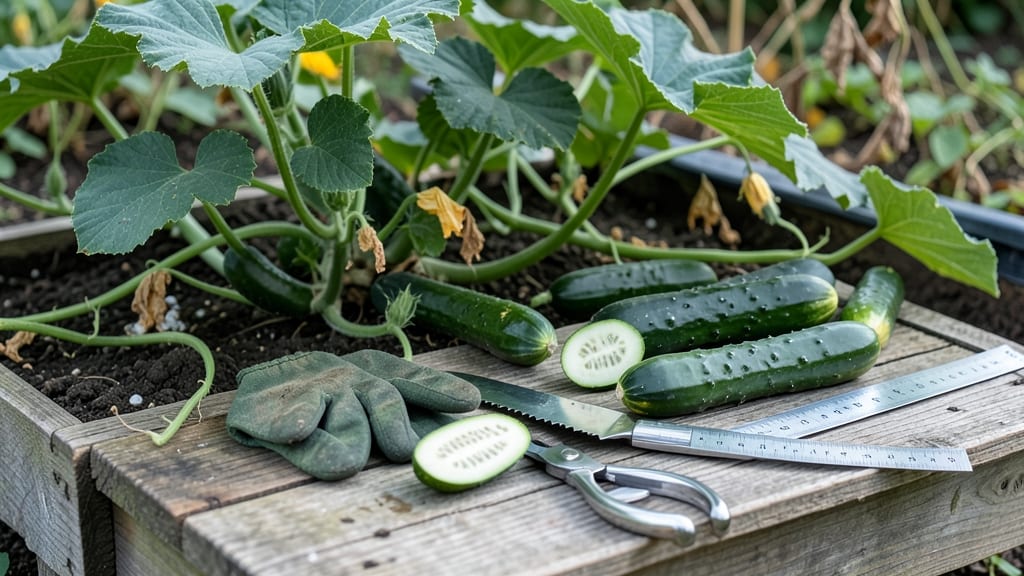
How to know if a cucumber is good starts with three simple touches—skip these, and you risk meal-ruining mush. 🌿 I’ve learned the hard way: a cucumber that looks perfect can turn to watery disappointment in minutes. The secret lies in skin firmness, weight, and stem condition—none of which stores always get right.
First, squeeze gently: a good cucumber feels heavy for its size, with skin that yields slightly but doesn’t dent. Next, check the stem end—it should be dry and slightly rough, not slimy or moldy.
Finally, run your thumb along the ridges: crisp cucumbers have smooth, firm bumps, never soft or wrinkled spots.
You’ll know you’ve picked a winner when it stays crisp for days. Store them stem-side up in the fridge’s crisper drawer, wrapped loosely in a paper towel to absorb excess moisture. Avoid the vegetable bin—it’s too humid, and cucumbers rot faster than you’d think.
For gardeners, harvest when they’re still slightly firm but fully colored—this beats the race against overripeness. And if you’re buying? Trust your fingers over the label. A cucumber that passes these checks will slice up perfectly, every time.
📚 In This Guide
- What you need
- Instructions
- Tips and common mistakes
- Wrapping up and next steps
What you need
- ● 1 fresh cucumber (any variety: Persian, English, or standard slicing)
- ● Your hands (clean, dry, and sensitive to texture)
- ● A flat, stable surface (like a cutting board or table)
- ○ Optional but helpful: A small knife (for cutting a test slice, if needed)
- ● A paper towel (to wipe off excess moisture)
- ● A scale or measuring tape (for weight/diameter checks, if you’re detail-oriented)
- ● Your eyes (for color and blemish inspection)
- ● Your nose (to sniff for freshness)
- ● Your ears (for that satisfying crunch test!)
How to test cucumbers for peak freshness
Skip the guesswork—these simple tactile checks reveal whether your cucumber is crisp, flavorful, and ready to eat.
🌿 Step 1: Check the Skin for Firmness and Texture
Press your thumb gently against the cucumber's skin—it should feel firm but slightly springy, like a well-inflated balloon. If it yields under pressure or feels mushy, it's overripe. Look for a smooth, taut surface without wrinkles or soft spots, which signal age and loss of crispness.
Run your fingers along the ridges. Fresh cucumbers have crisp ridges that stand out slightly from the skin. Dull, flattened ridges mean the cucumber has lost moisture and flavor. A slight sheen on the skin is normal, but a sticky or slimy coating means it's past its prime.
☀️ Step 2: Tap and Listen for a Hollow Sound
Give the cucumber a light tap with your knuckles—it should produce a crisp, hollow thunk, like knocking on a wooden door. A dull thud means the flesh is waterlogged and the cucumber is overripe. This test works best with medium-sized cucumbers; very small ones may naturally sound softer.
Hold the cucumber by the stem end and gently shake it. You shouldn’t hear any sloshing or rattling inside. If you do, the seeds have softened, and the cucumber is past its peak. A firm shake with no movement means the flesh is still tight and juicy.
💧 Step 3: Examine the Stem and Ends for Freshness
Inspect the stem end—the small, nubby area where the cucumber attached to the vine. It should be dry and slightly woody, not damp or shriveled. A green, moist stem end means the cucumber was harvested too early and may taste bitter. A completely brown, papery stem is a sign of age.
Check the blossom end (the opposite end with tiny bumps). It should be firm and free of mold or soft spots. If you see yellowing or a mushy texture here, the cucumber has started to break down internally. A slight greenish tint is fine, but avoid any cucumbers with dark or slimy blossom ends.
⏰ Step 4: Weigh and Compare for Size Matters
Pick up the cucumber and feel its weight. A fresh, crisp cucumber should feel substantial for its size—lightweight cucumbers often lack moisture. For slicing cucumbers, aim for 8-10 inches long and about 1 pound in weight. Smaller cucumbers (under 6 inches) tend to be more tender and less seedy, while larger ones (over 12 inches) can be watery and fibrous.
If you're unsure, compare it to a similar cucumber you’ve used before. Freshness is relative—what feels right depends on the variety. Persian cucumbers should be 4-6 inches long and feel almost like a small apple in your hand, while English cucumbers can be longer but still firm.
Tips & tricks for perfect cucumber selection
Real talk: These simple tricks will help you pick cucumbers that are crisp, juicy, and bursting with flavor—no guesswork needed.
The Pressure Test: When checking firmness in Step 1, press firmly enough to leave a slight thumbprint that springs back immediately. If the skin dents and stays indented, that cucumber has already lost moisture. I learned this the hard way after slicing a mushy cucumber for a salad—trust me, you don't want that texture.
Listen for the Right Sound: For the tap test in Step 2, focus on the sound quality—not just the volume. A crisp cucumber should produce a clear, high-pitched thunk, like knocking on a wooden table. A dull thud means the flesh is waterlogged, which happens when cucumbers sit too long in storage. Between us, grocery store cucumbers often fail this test—shop at farmers' markets when possible.
Stem and End Secrets: Pay special attention to the blossom end in Step 3—this is where cucumbers often show the first signs of spoilage. If you see any yellowing or soft spots here, the entire cucumber may be compromised internally, even if the outside looks fine. I always cut off this end before using cucumbers in salads to avoid any surprise bitterness.
Variety Matters: The size guidelines in Step 4 work best for standard slicing cucumbers. For Persian cucumbers, aim for a weight closer to 6-8 ounces—they're smaller but pack more flavor. English cucumbers can be longer (up to 12 inches), but they should still feel substantial for their size. Don't judge cucumbers solely by length—weight is your best indicator of moisture content.
Pro Tips for Know If A Cucumber Is Good
- Real talk: These simple tricks will help you pick cucumbers that are crisp, juicy, and bursting with flavor—no guesswork needed.
- The Pressure Test: When checking firmness in Step 1, press firmly enough to leave a slight thumbprint that springs back immediately.
- Listen for the Right Sound: For the tap test in Step 2, focus on the sound quality—not just the volume.
Frequently asked questions
Got more questions about picking the perfect cucumber? Here are some common ones—and their answers—to help you shop like a pro!
Can I eat a cucumber that’s soft or mushy?
A soft or mushy cucumber is usually overripe or spoiled. If the skin is wrinkled, slimy, or the flesh feels mushy when squeezed, it’s best to toss it. Look for firm cucumbers with a slight give—like a ripe avocado—to ensure freshness. Pro tip: Even if it’s slightly soft, check for mold or foul odors first!
How long can I store a cucumber before it goes bad?
Unwashed cucumbers stay fresh for 1–2 weeks in the fridge (wrap them in a paper towel to absorb moisture). If you’ve cut one, store it in an airtight container with a damp paper towel and use it within 3–5 days. Avoid washing until ready to eat—excess moisture speeds up spoilage.
What if my cucumber has yellow spots? Is it still good?
Small yellow spots are normal and usually harmless—they’re just sun exposure. However, if the spots are large, soft, or accompanied by mold or a sour smell, the cucumber is past its prime. In doubt, do the squeeze test: firm = fine; mushy = toss it.
Are there any alternatives if I can’t find a good cucumber?
If cucumbers are hard to find or poor quality, try zucchini, celery, or even radishes for crunch in salads. For hydration, swap in lettuce, bell peppers, or cucumber substitutes like seedless watermelon. Just adjust recipes—zucchini holds up better in cooking, while celery adds a bolder flavor.
Can I revive a slightly wilted cucumber?
Not really—wilting is a sign of dehydration, and cucumbers don’t bounce back like lettuce. However, if it’s just slightly limp but still firm, soak it in ice water for 10–15 minutes to plump it up temporarily. Still, it’s better to pick a fresh one next time!
Wrapping up and next steps
Now that you’ve mastered the 3 tactile checks—sight, touch, and sniff—you’re ready to pick the perfect cucumber every time! 🥒✨ Remember, a great cucumber should be firm, cool, and fragrant, whether you’re slicing it for a salad or snacking straight from the vine.
With these tricks up your sleeve, you’ll never settle for a sad, watery slice again.
Ready to put your new skills to the test? Grab a cucumber from your fridge or the grocery store and give it the once-over—you’ll be amazed at the difference a little know-how makes! 🛒💪