
How To
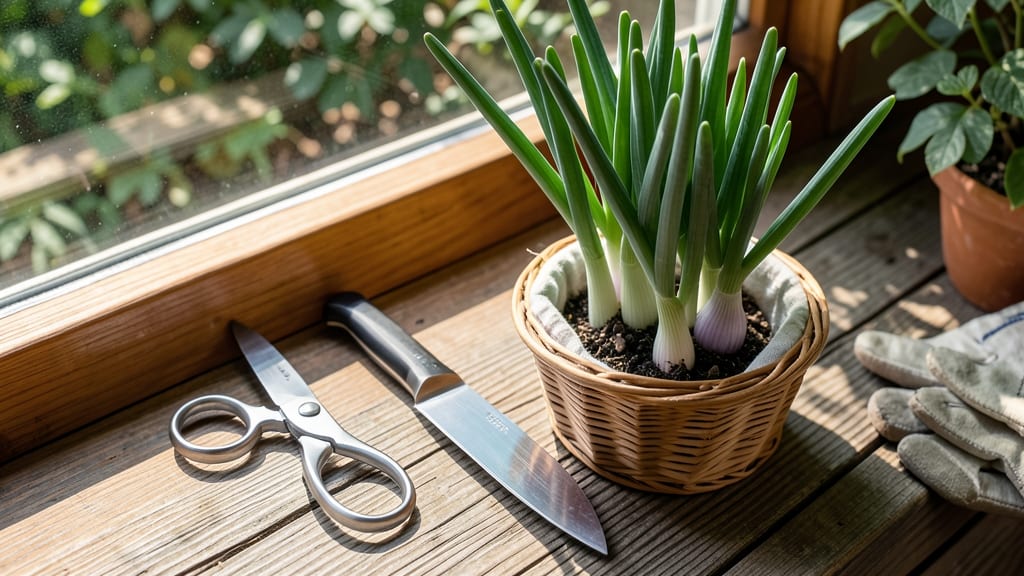
If you’ve ever wondered how to know when green onions are ready to harvest, you’re not alone—timing is everything. Knowing when these quick-growing veggies are ready to harvest can transform your garden's flavor and freshness, but most gardeners miss the subtle cues that signal peak readiness.
The good news? There's a simple, foolproof method to tell when your green onions are perfect for picking. Whether you're growing them for their mild, fresh taste or planning to let them mature into full bulbs, understanding these key signs will save you from bitter disappointments.
Let me show you exactly what to look for in your garden.
From the classic pull-and-snap test to visual clues like leaf size and bulb thickness, I'll walk you through everything you need to know. You'll discover how to balance harvesting for flavor with encouraging regrowth—so your green onions keep coming back all season long.
No more guesswork, just perfect, tender stalks every time.
Ready to master the art of harvesting? By the end, you'll confidently know when to pull your green onions for the best taste and texture. Let's dive into the secrets of your garden's most versatile vegetable.


The pull-and-snap test: the ultimate green onion harvesting method
Green onions are ready to harvest when they reach 6-8 inches tall and develop a slightly swollen bulb at the base. The most reliable way to test this is the pull-and-snap method, which gives you instant feedback on their readiness.
Unlike other vegetables, green onions don’t need to be fully mature to taste great—harvesting at the right time ensures tender, flavorful scallions every time.
This method works for both green onions and scallions, whether you're growing them in containers, garden beds, or even indoors by a sunny window. The key is to gently tug on the outermost leaves and assess their resistance.
If they snap easily, your green onions are ready! This simple test eliminates guesswork and helps you avoid harvesting too early (which gives you thin, weak stalks) or too late (which can lead to bitter, woody bulbs).
Here’s how to perform the test: Start by selecting the thickest, healthiest-looking green onion in your patch. Gently grasp the base of the plant near the soil and give it a firm but gentle tug.
If the entire plant pulls out easily with minimal resistance, it’s not ready yet. However, if the roots snap cleanly just above the soil line, that’s your cue to harvest!
Step-by-Step Pull-and-Snap Test
- 🌱 Step 1: Choose the thickest stalk in your green onion patch.
- 💪 Step 2: Gently grasp the base of the plant near the soil.
- ✂️ Step 3: Give a firm tug—if the roots snap cleanly, it’s ready!
- 🌿 Step 4: If it pulls out easily, wait 3-5 more days before retesting.
- 📝 Step 5: Harvest by cutting or snapping just above the soil line.
💡 Pro Tip: Test multiple stalks—some may be ready while others need more time.
The pull-and-snap test is especially useful for continuous harvesting, as green onions regrow after cutting. If you’re growing them for bulb development, wait until the bulb is about the size of a quarter before harvesting.
This ensures a balanced flavor—neither too mild nor too sharp. Over-mature green onions (those with yellowing leaves or flower stalks) will taste bitter and tough, so timing is everything!
Another key visual cue is the leaf color. Ready-to-harvest green onions should have bright green, firm leaves with no yellowing. If the leaves are pale or floppy, they’re either underwatered or overripe.
The stem should feel crisp when you squeeze it gently—if it’s soft or mushy, it’s past its prime. Pay attention to these three signs together: snappy stems, bright green leaves, and a slightly swollen bulb.
For container-grown green onions, the pull-and-snap test works just as well. Since they’re often grown in small pots or window boxes, you’ll want to harvest outer leaves first to encourage regrowth.
This method also works for scallions, which are simply a variety of green onion with a larger, more developed bulb. The same rules apply—test, snap, and harvest when the plant signals readiness!
One common mistake is harvesting green onions too early, which results in thin, weak stalks that lack flavor. On the other hand, waiting too long can lead to woody bulbs and bitter taste.
The pull-and-snap test helps you strike the perfect balance between tenderness and flavor. Once you master this method, you’ll never second-guess your harvest timing again!
If you’re growing green onions for long-term harvests, consider using the cut-and-come-again method. Simply snip the outer leaves when they reach 6 inches tall, leaving the inner leaves to regrow.
This way, you can enjoy a steady supply of fresh green onions all season long. Just be sure to water consistently and fertilize lightly every 4-6 weeks to keep them thriving.
🌱 For best results, harvest green onions in the morning when they’re cool and crisp. This is also the best time to store them—wrap them in a damp paper towel and place them in a resealable bag in the fridge.
They’ll stay fresh for up to 2 weeks, though they’re best used within 5-7 days for peak flavor.
Visual and physical signs your green onions are harvest-ready
Beyond the pull-and-snap test, your green onions will show clear visual cues that scream "harvest me now!" The most obvious sign is when the leaves reach 6-8 inches tall—this is their ideal size for peak flavor and tenderness.
Look for bright green, firm leaves that stand upright rather than flopping over.
Pay close attention to the base of the plant. When ready, you’ll notice the bulb beginning to swell slightly—this is the edible part we love. The stems should also feel thick and crisp when gently squeezed. If they’re still thin and bendy, give them more time to mature.
| Sign | Not Ready | Ready to Harvest |
|---|---|---|
| Leaf Color | Pale or yellowing | Bright green |
| Leaf Size | Under 4 inches | 6-8 inches tall |
| Stem Thickness | Thin and soft | Thick and crisp |
| Bulb Development | No swelling | Slightly swollen |
Avoid harvesting too late—once your green onions bolt (send up flowers), they’ll become woody and bitter. This usually happens when daytime temperatures rise above 75°F (24°C). If you see flower stalks emerging, it’s time to harvest immediately or your crop will go to seed.
For continuous harvests, watch for regrowth after cutting. If new leaves sprout within 1-2 weeks, your plants are still productive. However, if regrowth is slow or stunted, it’s better to pull the entire plant to avoid stressing it further.
Pro tip: Harvest in the morning after watering for the freshest flavor. The soil should be moist but not soggy—this ensures crispness and prevents the bulbs from splitting.
Store harvested green onions in the fridge with the roots submerged in water to keep them fresh for up to 2 weeks.
Remember, the earlier you harvest, the more mild and tender your green onions will be. But don’t rush it—wait for those bright green leaves and swollen bulbs for the perfect balance of flavor and texture. Happy harvesting! 🌱