
How To
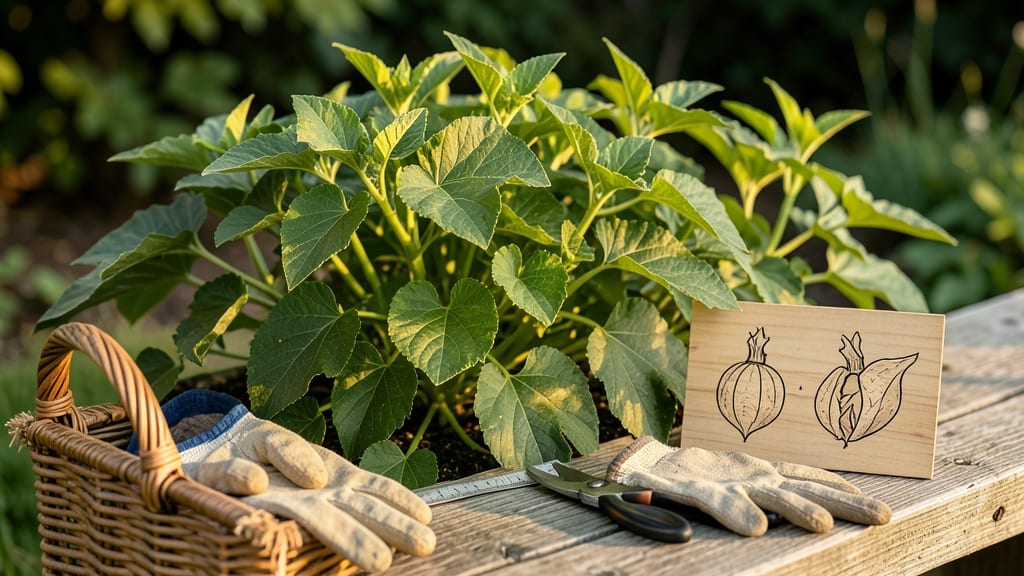
Tomatillo harvesting by color: what shades mean for ripeness
Tomatillos are tricky little fruits—their color shifts dramatically as they ripen, and harvesting at the wrong stage can ruin your salsa verde. The key is understanding what each husk color and fruit hue reveals about ripeness.
Unlike tomatoes, tomatillos don’t turn red; instead, they develop subtle pale green to yellowish tones that signal peak flavor.
When tomatillos first appear, they’re nestled in bright green husks that feel tightly closed. This is the "not ready" stage, where the fruit is still hard and underdeveloped. Picking them now means bitter, mealy texture and weak flavor—definitely not what you want for your cooking.
The husk’s job is to protect the fruit, and it won’t open until the tomatillo is nearly ready.
Here’s where things get interesting: the husk begins drying out and turning straw-colored or papery as the fruit inside matures. This is your first visual cue that harvest time is near. The husk might even start peeling back slightly on its own, revealing the fruit underneath.
If you see this, act quickly—tomatillos can go from perfect to overripe in just a few days, especially in hot, dry climates.
Now, let’s talk about the fruit itself. A ripe tomatillo will have a pale green to yellowish tint, almost like a muted lime. This color change happens because the fruit’s chlorophyll breaks down as sugars develop, giving it that signature tangy-sweet flavor we all love.
If the fruit is still bright green and firm, it needs more time on the plant.
Regional variations can throw off your color expectations. In cooler climates (like the Pacific Northwest), tomatillos might stay paler and slower to yellow, while in hotter zones (like Texas or Arizona), they can develop a darker green with yellowish streaks faster.
Always combine color checks with the touch test—we’ll cover that next—to avoid mistakes.
One common mistake is waiting too long for the yellow stage. Overripe tomatillos turn translucent or mushy, losing their crisp texture and developing a fermented, off taste.
They’ll also shrink slightly and feel soggy when pressed. If you’re unsure, it’s better to harvest a little early and let them ripen indoors for a day or two.
| Stage | Husk Color | Fruit Color | Texture | Flavor | Best For |
|---|---|---|---|---|---|
| Not Ready | Bright green, tightly closed | Bright green | Hard, unyielding | Bitter, underdeveloped | Discard |
| Nearly Ready | Drying, straw-colored | Pale green | Firm but slightly soft | Mild, developing | Harvest soon |
| Perfectly Ripe | Papery, peeling back | Pale green/yellowish | Firm, crisp | Tangy-sweet, bold | Cooking or fresh |
| Overripe | Fully open, shriveled | Translucent, yellow | Mushy, soggy | Fermented, off | Discard |
Pro tip: If you’re growing purple-stemmed varieties (like ‘Purple de Milpa’), the husks might develop purplish tinges as they dry. Don’t let this fool you—the fruit’s color is still what matters most. The husk’s job is to protect, not indicate ripeness.
To test for ripeness, gently squeeze the fruit through the husk. It should feel firm but yield slightly, like a ripe avocado. If it’s rock-hard, it’s not ready; if it’s mushy, you’ve waited too long. Pair this test with the color check for foolproof results every time.
Remember, tomatillos are non-climacteric fruits, meaning they won’t ripen further after picking. Once you harvest them, their flavor and texture stay the same—so nail the timing on the plant! Next, we’ll dive into the touch test to help you fine-tune your harvest skills.
The touch test: how firmness determines perfect harvest timing
Tomatillos don’t announce their ripeness with loud colors like tomatoes—they whisper it through texture. The touch test is your secret weapon for nailing the harvest window. Gently squeeze a tomatillo between your thumb and forefinger: if it gives slightly (like a ripe avocado) but doesn’t feel mushy, it’s ready.
Think of it as the Goldilocks rule—not too hard, not too soft.
Overly firm tomatillos (like a tennis ball) need more time on the vine, while mushy ones (like overripe peaches) are past their prime. Humidity and heat speed up ripening, so check firmness daily in summer and every 2-3 days in cooler months.
Pro tip: Harvest in the morning when temps are cooler and fruit is firmer.
Environmental factors throw off the touch test. In hot climates, tomatillos may ripen faster and soften quicker, while cool weather slows everything down. If your plants are in a shady spot, firmness alone won’t cut it—pair it with the color test from Section 1 for double confirmation.
For container gardeners, touch tests are even trickier because roots compete for moisture. Water consistently (1 inch weekly) to prevent stress-induced softening. If your potted tomatillos feel spongy but the husk is still green, they’re likely underwatered, not ripe.
Timing matters beyond texture: harvest when 70-80% of fruit on a plant meets your firmness criteria. This ensures a steady supply without overloading your kitchen. Use a clean, sharp knife or pruners to snip stems—never pull, or you’ll damage the plant.
Store harvested tomatillos in a paper bag in the fridge for up to 2 weeks. They’ll continue ripening slightly, so recheck firmness before using. If they soften too much, freeze them whole for future salsa verde batches.