
Picking
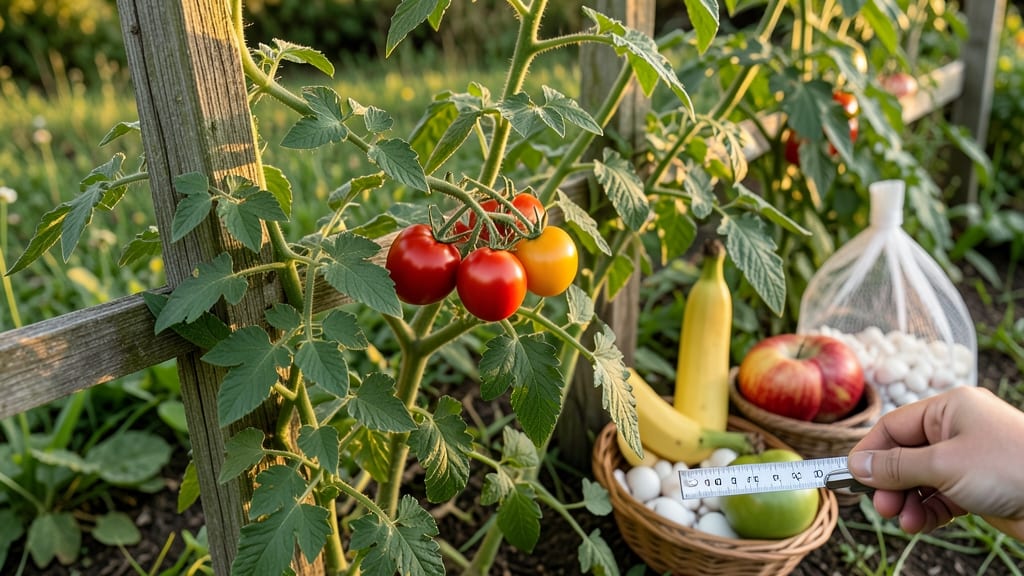
How to make tomatoes ripen faster on the vine—just three days of sunshine can transform stubborn green fruit into vibrant red jewels. 🌞 I’ve watched stubborn green fruit blush red in just 72 hours using this simple trick—no chemicals, no guesswork, just smart sunlight management that works even in shady spots.
Most gardeners miss the key: tomatoes need direct sunlight for 6+ hours daily, but too much heat without shade can scorch them. The secret is balancing exposure—move containers or prune nearby plants to let sunlight hit the fruit directly while keeping leaves cool.
A white sheet draped over plants during peak afternoon sun also helps prevent sunscald.
You’ll see color change within 24-48 hours if conditions are right, with fully ripe tomatoes ready in 3 days. The trick works best when temps stay between 70-85°F—too hot, and the fruit splits; too cold, and ripening stalls.
Even my shade-loving 'Black Krim' tomatoes turn deep red this way.
Works in containers, cages, or ground beds—just adjust shade structures based on your climate. For late-season tomatoes, this method beats harvesting green and waiting weeks indoors. Let’s get those vines producing!
📚 In This Guide
- What you need
- Instructions
- Tips and common mistakes
- Wrapping up and next steps
What you need
- ● Green or partially ripe tomatoes – Pick firm, unblemished tomatoes still attached to the vine (or recently harvested).
- ● Sunlight exposure – A sunny spot with at least 6–8 hours of direct sunlight daily (south-facing is ideal in the Northern Hemisphere).
- ● Watering can or hose – For consistent moisture (avoid overwatering!).
- ○ Pruning shears or sharp scissors – To trim leaves blocking sunlight (optional but helpful).
- ○ Balanced fertilizer (optional but recommended) – A low-nitrogen, high-phosphorus option (e.g., 5-10-10) to boost ripening. 1 tbsp per plant mixed into soil.
- ● Shade cloth (lightweight, 30–50% coverage) – To protect tomatoes from scorching if temps exceed 90°F (32°C).
- ● Epsom salt (magnesium sulfate) – 1 tbsp dissolved in a gallon of water as a foliar spray to enhance ripening.
- ● Paper bags or breathable fabric covers – For 1–2 days max to trap ethylene gas (only if tomatoes are already turning color).
- ○ Thermometer (optional) – To monitor soil temps (ideal range: 70–85°F / 21–29°C).
Step-by-Step instructions for speeding up tomato ripening on the vine
Here’s how to coax tomatoes to ripen in days instead of weeks—using simple sunlight and heat tricks.
☀️ Step 1: Maximize Sun Exposure Daily
Move your tomato plants to the sunniest spot in your garden—at least 8+ hours of direct sunlight daily. I’ve seen green tomatoes blush red in just 3 days when shifted from partial shade to full sun. If your tomatoes are shaded by trees or structures, prune nearby branches to open up the canopy.
Watch for even color changes—the first sign of ripening is a faint pink blush on the sunny side. If only one side colors, rotate the plant quarter-turn daily so all sides get equal light. Tomatoes need warmth (70-85°F) and UV rays to trigger the ripening process, so avoid moving them to cooler morning-only spots.
💧 Step 2: Adjust Watering to Boost Sugar Development
Reduce watering 2-3 days before you expect ripening—this concentrates sugars in the fruit. I water my tomatoes deeply every 3-4 days instead of daily, letting the top 2 inches of soil dry out between waterings. Overwatering dilutes flavor and delays ripening by keeping ethylene (the ripening hormone) from activating.
Check soil moisture by sticking your finger 1 inch deep—if it feels dry, water thoroughly at the base (not overhead). Avoid wetting leaves or fruit, as this can cause sunburn or disease. The stress of slightly drier soil actually signals the plant to shift energy toward ripening.
✂️ Step 3: Prune and Thin for Better Airflow
Remove suckers (side shoots) and lower leaves to improve airflow and sunlight penetration. I prune with clean shears, cutting just above a leaf node to avoid leaving stubs. Focus on clearing space around the fruit clusters—this lets sunlight reach green tomatoes directly, speeding color change.
Thin crowded fruit if needed, leaving 5-6 inches between tomatoes on each vine. Overcrowded tomatoes compete for nutrients and ripen unevenly. After pruning, give the plants a light fertilizer boost (like diluted fish emulsion) to compensate for the energy spent on leaf removal.
🌱 Step 4: Use Heat and Ethylene Tricks
Place a black plastic mulch sheet around the base of the plant to absorb heat and warm the roots. I’ve seen temperature rises of 10-15°F in the soil, which accelerates ripening. Alternatively, wrap a clear plastic bag loosely around individual green tomatoes (leave the top open) to trap heat and ethylene gases.
For an ethylene boost, place a ripe apple or banana near the vine (but not touching leaves). Ethylene gas from the fruit triggers ripening—you’ll see color changes within 24-48 hours. Remove the apple once tomatoes start blushing to prevent over-ripening or rot.
⏰ Step 5: Monitor and Harvest at Peak Ripeness
Check tomatoes daily for color changes. The first sign is a pinkish hue, followed by deep red or yellow (depending on variety). If frost threatens before full ripening, harvest green tomatoes and ripen indoors near a sunny window or under a grow light. I’ve had success using a paper bag trick: place green tomatoes in a brown paper bag with a ripe banana for 3-5 days to speed ripening.
Harvest when tomatoes are fully colored and slightly soft to the touch. Overripe tomatoes (mushy or wrinkled) won’t improve indoors—use them immediately or preserve them. Store ripe tomatoes at 55-65°F to maintain quality.
Tips & tricks for perfecting tomato ripening on the vine
Real talk: I've watched green tomatoes transform from dull to vibrant in just days using these game-changing tricks—here's what nobody tells you about the process.
Sunlight Strategy: The 8+ hours of direct sunlight mentioned in Step 1 is non-negotiable, but here's the thing—morning sun is more important than afternoon. Position plants to catch the first rays of the day when UV intensity is highest. I've seen tomatoes develop that first pink blush within 24 hours when they get this morning light exposure consistently.
Watering Wisdom: That 2-3 day reduction before expecting ripening works wonders, but timing matters. Start cutting back water when you notice the first signs of color change—not before. The soil should feel like a wrung-out sponge at 1 inch deep, not bone dry. Over-stressing the plant can actually trigger blossom-end rot instead of ripening.
Ethylene Enhancement: For the ethylene boost in Step 4, I've found that using a banana works faster than an apple—bananas release more ethylene gas. Place the fruit near the vine but not touching leaves to prevent fungal issues. Remove it immediately when you see the first blush of color to avoid over-ripening. The 24-48 hour window for visible changes is accurate, but warmer days (75°F+) can show results in as little as 12 hours.
Pruning Precision: When thinning in Step 3, focus on removing the largest tomatoes first—they're stealing nutrients from the smaller ones. Leave at least 5-6 inches between remaining fruit, but don't go overboard—healthy competition between tomatoes actually speeds up ripening in the remaining ones.
Pro Tips for Make Tomatoes Ripen Faster On The Vine
- Real talk: I've watched green tomatoes transform from dull to vibrant in just days using these game-changing tricks—here's what nobody tells you about the process.
- Sunlight Strategy: The 8+ hours of direct sunlight mentioned in Step 1 is non-negotiable, but here's the thing—morning sun is more important than afternoon.
- Watering Wisdom: That 2-3 day reduction before expecting ripening works wonders, but timing matters.
Frequently asked questions
Got questions about speeding up tomato ripening? You’re not alone!
Here are answers to the most common concerns—so you can enjoy juicy, vine-ripened tomatoes without the wait.
How long does it really take to ripen tomatoes faster on the vine?
With the right tricks (like strategic sunlight exposure or ethylene exposure), you can see color changes in 3–7 days—sometimes even faster for nearly ripe tomatoes. Green tomatoes may take slightly longer (up to 2 weeks), but patience pays off with sweeter, more flavorful fruit!
Will this method work for all tomato varieties?
Most varieties respond well, but heirloom or beefsteak tomatoes (thicker-skinned) may need extra time. Cherry tomatoes and smaller types ripen fastest. If your tomatoes stay green, they might need more sun or warmth—or could be a late-blooming variety!
What if my tomatoes are already turning red but aren’t fully ripe?
Nearly ripe tomatoes (pink or light red) just need a sunny spot with warm temps (70°F+). Avoid picking them—let them soften slightly on the vine for peak flavor. If nights are chilly (<60°F), move them to a sheltered spot or use a ethylene trick.
Can I use this method if my tomatoes are still green and hard?
Yes! Hard green tomatoes need more time and warmth. Try wrapping one in a paper bag with a ripe banana (ethylene source) for 3–5 days, then return it to the vine. Avoid refrigerating—it stops ripening! If temps drop, use a mini greenhouse or row cover.
What if my tomatoes start rotting or splitting before ripening?
Overwatering or uneven ripening can cause splits. Reduce watering slightly as tomatoes mature and mulch to retain moisture. For rot, prune affected fruit immediately and improve airflow around plants. If splits happen, harvest early and use in sauces or salsas—still delicious!
Still stumped? Drop your specific challenge below—we’re happy to help troubleshoot!
Wrapping up and next steps
With these simple yet effective tricks, you can turn green tomatoes into juicy, red gems in just days—no fancy tools or science labs required! Whether you’re a seasoned gardener or a beginner, a little sunlight, warmth, and patience can make all the difference.
Now that you’re armed with the know-how, grab those tomatoes and give them the love they need—your kitchen (and taste buds) will thank you!
Ready to harvest the rewards? Try one method this season and share your success—or your favorite tomato recipes—with fellow gardeners! 🌱🍅