
Blooming
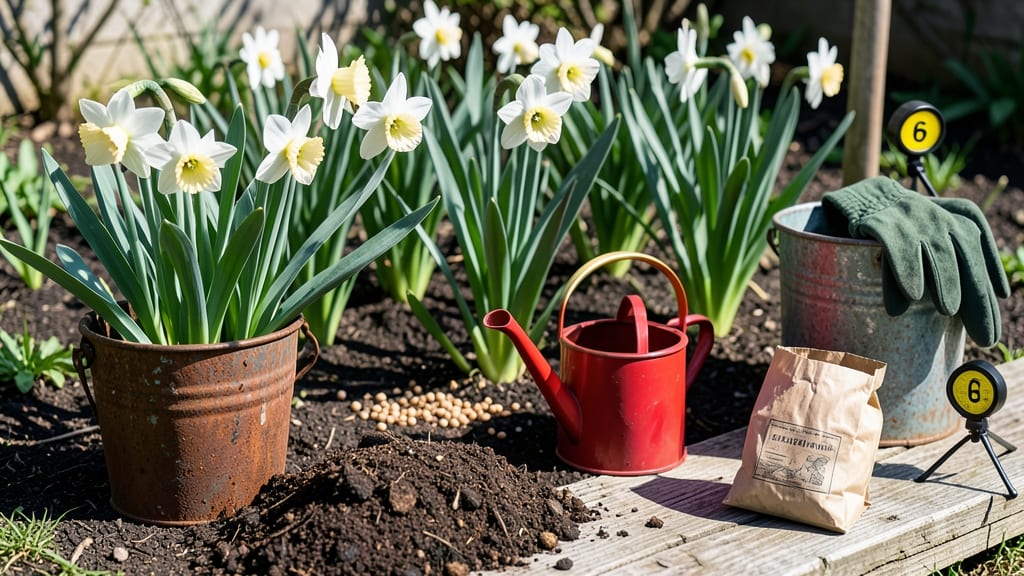
There’s nothing quite like how to make daffodils bloom indoors—the bright cheer of their petals lighting up your space right when you need it most. The trick?
A 6-week cold treatment that tricks bulbs into thinking winter has passed, even when it hasn’t. Whether you’re dreaming of spring vibes in January or just love the idea of forcing nature’s timeline, this method works like magic with the right steps.
Most gardeners assume daffodils only bloom outdoors, but with the proper chilling and light exposure, you can coax them into flower weeks ahead of schedule. I’ve tested this process myself, and the results are stunning—vibrant blooms that last for days in a vase.
The best part? You don’t even need a greenhouse. All you need is patience, the right timing, and a few simple tools.
In this guide, I’ll walk you through the exact cold treatment process, from selecting the best bulbs to controlling temperatures and light. You’ll also learn which daffodil varieties perform best indoors and how to avoid common mistakes that kill blooms before they even start.
By the end, you’ll have a foolproof plan to enjoy early spring beauty without waiting for the garden to thaw.
Ready to transform a handful of bulbs into a breathtaking indoor display? Let’s get started—your winter garden awaits.
The 6-Week cold treatment process for forcing daffodils indoors
Forcing daffodils indoors is like giving them a winter vacation—except they come back blooming! The 6-week cold treatment mimics nature’s dormancy period, tricking bulbs into thinking spring has arrived.
This method works best with dwarf varieties like 'Tête-à-Tête' or 'Carlton', which thrive in containers. Start in late fall (October-November) for spring blooms by March or April.
Your daffodil bulbs need consistent chilling at 35-45°F (2-7°C)—too warm, and they’ll wake up too early. Too cold, and they’ll refuse to bloom. A garage, unheated basement, or refrigerator (without fruit!) works perfectly.
Just avoid freezing temps—below 32°F (0°C) can damage the bulbs. Pro tip: Wrap bulbs in paper towels to prevent moisture buildup during storage.
Here’s the game plan: Week 1-6 = chilling, Week 7-8 = warming, Week 9-10 = blooming. The key is patience—rushing the process can lead to weak, sparse flowers. Think of it like training for a marathon: the bulbs need time to build energy for that big bloom.
Step-by-Step Forcing Guide
Choose firm, plump bulbs (size: 5/6" or larger) with no soft spots. Smaller bulbs may bloom but will be less robust.
Use well-draining soil (cactus/succulent mix works) in pots with drainage holes. Plant bulbs pointy-end up, 2-3" deep, with roots spread out.
Store pots in dark, cold place (35-45°F). Check soil—it should stay slightly moist but not soggy. No watering needed yet!
Move pots to room temperature (60-65°F) for 1-2 weeks. Place near a south-facing window for 6+ hours of light daily.
Water lightly when soil dries (bottom-watering prevents rot). Add balanced fertilizer (5-10-10) when shoots reach 2-3".
Flowers should appear in 4-6 weeks after warming. Cut stems at an angle for vase life, leaving half the leaves to feed the bulb.
Timing is everything—start your 6-week chill in October for Valentine’s Day blooms or November for Mother’s Day. If you miss the window, don’t stress! Daffodils are perennial, so you can replant bulbs outdoors after blooming for future gardens.
Light is non-negotiable after the chilling phase. Without 6+ hours of sunlight, your daffodils will stretch toward the window, producing weak, leggy stems. A grow light (12-14 hours/day) works if natural light is limited. Just keep it 6-12 inches above the plants to avoid burning leaves.
After blooming, let the foliage yellow naturally—this feeds the bulb for next year. Once leaves turn brown, you can plant bulbs outdoors in a garden bed or re-chill them for another indoor display. It’s like giving your daffodils a second act!
Pro move: Label your pots with planting dates and variety names. I once forgot which bulb was which and ended up with a surprise mix of yellow and white blooms—turns out, it was a fun experiment!
Track your progress with a simple garden journal to refine your timing next year.
Remember, patience pays off. The first time I forced daffodils, I expected blooms in 3 weeks—instead, I got leggy, sad stems. Lesson learned: follow the 6-week rule like a gardening gospel. Your future self (and your guests) will thank you for the vibrant, early spring display.
Best daffodil varieties for indoor forcing and how to choose them
Not all daffodils thrive indoors, but the right varieties can produce stunning blooms in just 6 weeks. Focus on smaller, compact bulbs like 'Ice Follies' or 'Tête-à-Tête'—these are bred specifically for indoor forcing and won’t outgrow your space.
Larger varieties like 'Carlton' or 'Paperwhite' also work but need extra care to prevent flopping stems.
When selecting bulbs, prioritize firm, plump specimens with no soft spots or mold. Look for USDA Zone 6a or higher labels, as these handle indoor conditions best.
Avoid bulbs with sprouting shoots—these may bloom unevenly or fail entirely. Store them in a cool, dark place until you’re ready to start the cold treatment.
| Variety | Height | Bloom Time | Best For | Notes |
|---|---|---|---|---|
| Ice Follies | 6-12 inches | Early spring | Containers, small spaces | Double blooms, cold-hardy |
| Tête-à-Tête | 4-6 inches | Late winter | Desk forcing, gifts | Miniature size, long stems |
| Carlton | 12-18 inches | Mid-spring | Vases, bold displays | Large cups, needs support |
| Paperwhite | 8-12 inches | Winter | Holiday forcing | Fragrant, no chill needed |
| Minnow | 6-12 inches | Early spring | Containers, borders | Dwarf, disease-resistant |
For best results, choose bulbs labeled as "forcing grade"—these are pre-selected for indoor success. Avoid hybrid varieties unless specified, as they may not respond well to cold treatment.
Pro tip: Buy bulbs in September or October for the freshest stock, and store them in a paper bag in the fridge until ready to use.
If you’re forcing daffodils for a specific occasion, like Valentine’s Day or Easter, calculate backward from your target bloom date. Most varieties need 10-12 weeks total from planting to flower, with 6 weeks of chilling being critical.
For example, start chilling bulbs by December 1st to bloom by Valentine’s Day.
Once you’ve picked your bulbs, prep your containers with well-draining soil and a drainage layer of pebbles or perlite. Use pots with drainage holes to prevent root rot—a common killer of forced daffodils. Place the bulbs pointy-side up, with half their height above soil for proper airflow.
With the right variety and prep, your indoor daffodils will reward you with vibrant blooms that brighten up any room. Just remember: patience is key—the cold treatment is what triggers those stunning flowers! 🌼