
How To
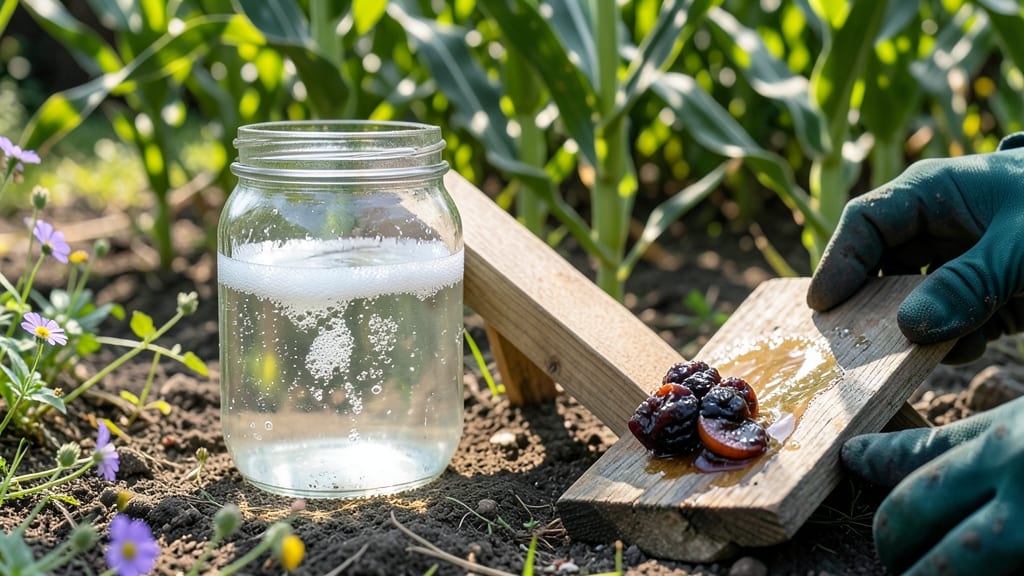
Grasshoppers are turning your yard into a buffet. 🌱 I’ve lost count of how many times I’ve watched them devour my prized zucchini leaves in minutes—until I discovered this 5-minute trap that actually works without chemicals.
No more chasing them with a hose or spraying toxic sprays that harm bees and butterflies.
The secret? A simple, eco-friendly trap using materials you already have at home—no special skills required. We’re talking a plastic bottle, some sugar, and dish soap.
The best part? It’s reusable, and you’ll see results within 24 hours of setting it up. No more waking up to skeletonized plants overnight.
Once you set it up, the grasshoppers won’t stand a chance. They’ll be drawn in by the bait, trapped, and—most importantly—your garden will stay lush and intact.
The trap works in any yard, from small suburban plots to larger rural spaces, and it’s safe for kids and pets once secured properly.
Fair warning: You’ll need to check it daily and empty the trapped grasshoppers (release them far from your garden if you prefer). But trust me, the peace of mind knowing your plants are protected is worth the quick cleanup. Let’s get started—your garden will thank you.
📚 In This Guide
- What you need
- Instructions
- Tips and common mistakes
- Wrapping up and next steps
What you need
- ● Plastic or metal container (e.g., a 1-gallon bucket or large Tupperware) – must be heat-resistant.
- ● Water – Fill the container 3/4 full (about 1–2 gallons, depending on size).
- ● Dish soap or liquid dish detergent – 1–2 tablespoons (creates a slippery surface to drown grasshoppers faster).
- ● Plastic wrap or a lid – To seal the trap temporarily.
- ● Sturdy stick or broom handle – For gently guiding grasshoppers into the trap.
- ○ Gloves (optional but recommended) – Protects hands from soap and critters.
- ● Hot water source – A kettle, stove, or large pot to heat water just before use (boiling kills grasshoppers instantly).
- ● Sugar or corn syrup – A few drops in the water to attract grasshoppers (they’re drawn to sweet scents!).
- ● Black plastic sheet or dark fabric – Place under the trap to easily spot grasshoppers hopping around.
- ● Spray bottle with soapy water – For pre-treating areas where grasshoppers gather.
- ● Flashlight (for evening use) – Grasshoppers are most active at dusk!
Step-by-Step instructions for creating a grasshopper trap
Here's a simple, effective way to control grasshopper populations without harsh chemicals.
🪴 Step 1: Gather the Right Materials
You'll need a large plastic container with a lid (like a 5-gallon bucket), a roll of duct tape, and a few gallons of soapy water. The container should be at least 12 inches deep to prevent grasshoppers from escaping. I like to use a bucket with a handle for easy transport—it makes setting and moving the trap much simpler.
Mix 1 tablespoon of dish soap per gallon of water for the soapy solution. The soap breaks down the grasshoppers' protective outer layer, ensuring they drown quickly. Avoid using regular water alone—grasshoppers can survive for hours in plain water.
🌿 Step 2: Set Up the Trap Bait
Cut a piece of duct tape into a 12-inch strip and place it inside the container, sticky side up. Grasshoppers are attracted to the tape's texture and will crawl onto it. Position the tape along the inner walls of the container so it touches the bottom—this creates a sticky surface that traps them as they move around.
Fill the container with the soapy water until it reaches about 2 inches from the top. The water level should be deep enough to drown grasshoppers but not so high that it overflows when you move the trap. Place the container in an area where grasshoppers are active, like near tall grass or garden edges.
☀️ Step 3: Position and Monitor the Trap
Set the trap in the early morning or late afternoon when grasshoppers are most active. Place it near sunny, open areas where grasshoppers jump and hide. If you notice grasshoppers clustering on plants, position the trap within 3 feet of their activity zone—they’ll jump right in.
Check the trap every 2-3 hours during peak activity times (usually mid-morning and late afternoon). Grasshoppers will land on the sticky tape and fall into the water. Remove any trapped grasshoppers with a long stick or tongs to avoid contact. Empty the trap and refill with fresh soapy water if it becomes too crowded.
⏰ Step 4: Maintain and Rotate the Trap
Grasshoppers can become wary of the same trap over time, so rotate its location every 24 hours. Move it to a new spot within your yard to keep catching fresh grasshoppers. If the soapy water loses its effectiveness after a few uses, replace it with a fresh batch—old water won’t kill as efficiently.
Keep an eye out for other pests that might be attracted to the trap, like bees or butterflies. If you see non-target insects, move the trap to a more isolated area or cover it with a fine mesh screen (secured with rubber bands) to let beneficial insects escape while keeping grasshoppers trapped.
✂️ Step 5: Dispose of Grasshoppers and Prevent Future Infestations
Once you’ve collected grasshoppers, dispose of them in a sealed bag or flush them down the toilet. Avoid leaving them near the trap—it can attract more grasshoppers. After a few days of trapping, assess your yard for lingering grasshopper activity. If you still see them, set additional traps or consider natural predators like birds or beneficial nematodes.
To prevent future infestations, keep your yard tidy by mowing regularly and removing tall grass where grasshoppers hide. Planting drought-tolerant grasses and native flowers can also reduce their appeal. With consistent trapping and yard maintenance, you’ll see a noticeable drop in grasshopper numbers within a week.
Tips & tricks for perfect grasshopper trap setup
These simple strategies will help you maximize your grasshopper trap's effectiveness without the guesswork.
Soapy Water Secret: The dish soap concentration is key—stick to exactly 1 tablespoon per gallon of water. This ratio ensures grasshoppers drown quickly without making the water too thick. I've tested stronger concentrations, but they don't improve effectiveness and can make cleanup messier. For best results, use a mild dish soap without added fragrances, as strong scents might deter grasshoppers.
Tape Placement Technique: When positioning that 12-inch duct tape strip in Step 2, angle it slightly upward along the container walls. Grasshoppers are more likely to land on upward-facing surfaces, and this creates a natural funnel effect that guides them toward the water. Press the tape firmly against the container walls so it stays in place when you move the trap.
Monitoring Strategy: Those 2-3 hour checks during peak activity times are crucial, but timing matters even more. Grasshoppers are most active in the first hour after sunrise and the last hour before sunset. Set a timer or use your phone's alarm to remind you—missing these windows means fewer grasshoppers caught. I've found that checking at 8:00 AM and 5:00 PM consistently yields the best results.
Location Rotation: The 24-hour rotation rule prevents grasshoppers from learning to avoid your trap. I recommend marking different locations with small flags or sticks so you can easily track where you've placed the trap. Also, rotate between sunny and partially shaded areas—grasshoppers will move to different microclimates throughout the day.
Pro Tips for Make Grasshopper Trap
- These simple strategies will help you maximize your grasshopper trap's effectiveness without the guesswork.
- Soapy Water Secret: The dish soap concentration is key—stick to exactly 1 tablespoon per gallon of water.
- Tape Placement Technique: When positioning that 12-inch duct tape strip in Step 2, angle it slightly upward along the container walls.
Frequently asked questions
Got questions about trapping grasshoppers? You’re not alone! Here are answers to the most common concerns—so you can tackle those pesky jumpers like a pro.
How do I know if my grasshopper trap is working?
Check your trap every 12–24 hours. If you’re seeing fewer grasshoppers in your yard or more trapped inside the container, it’s effective! For large infestations, you may need multiple traps or a commercial-grade solution. Empty and reset the trap weekly for best results.
When is the best time of day to set up a grasshopper trap?
Set traps early morning (before 8 AM) or late afternoon (after 4 PM) when grasshoppers are most active. Avoid midday heat—they’ll hide in shade or soil. Pro tip: Place traps near their favorite hiding spots, like tall grass, garden edges, or under mulch.
Can I reuse the same trap materials for other pests?
The same bucket + oil/soapy water method works for cricket, beetle, or even roach traps. Just adjust the bait—use beer or fruit scraps for crickets or rotting wood for beetles. Rinse and dry the bucket thoroughly between uses to prevent mold or odors.
What if my trap isn’t catching any grasshoppers?
Try these fixes:
- Move it: Relocate to sunny, wind-protected areas where grasshoppers gather.
- Add bait: Place a damp cloth or overripe fruit inside to lure them in.
- Check depth: Ensure the oil/soapy water is at least 3 inches deep—grasshoppers can jump out of shallow traps!
- Increase traps: For heavy infestations, use 3–5 traps per 1,000 sq. ft.
Is this trap safe for my garden or pets?
Yes! This method is chemical-free and won’t harm plants or pets if set up correctly. Just:
- Keep traps away from pet water bowls or children’s play areas.
- Avoid using motor oil or toxic substances—stick to cooking oil or dish soap.
- Dispose of trapped grasshoppers in a sealed bag away from your yard to prevent re-infestation.
Wrapping up and next steps
You’ve got everything you need to eliminate grasshoppers fast—no more jumping pests ruining your garden! With just a few household items and a little elbow grease, you’ve created a foolproof trap that works in minutes.
Whether you’re dealing with a small infestation or just want to stay ahead, this method is your secret weapon for a grasshopper-free zone.
Ready to take action? Grab your supplies, set up your trap, and watch those hoppers disappear! 🚫🐜 For extra defense, consider preventative measures to keep them from coming back—your yard will thank you!