
How To
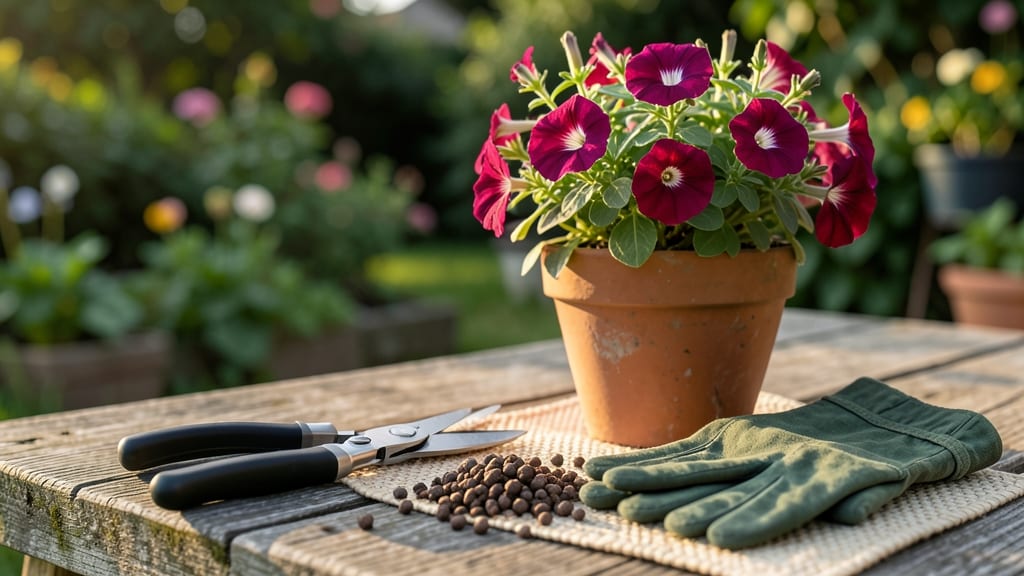
How to make petunias fuller—turn those leggy, sparse-blooming plants into lush, bushy showstoppers with just two easy tricks. 🌸 The secret lies in strategic pruning and targeted feeding—both of which encourage dense growth without chemicals. Most gardeners skip the pruning part, but it’s the game-changer that forces new branches and blooms to explode.
Start by snipping back leggy stems just above leaf nodes (where leaves meet the stem), using clean shears. This might sound scary, but petunias bounce back fast—within weeks, you’ll see thick, compact growth instead of sparse stems.
Pair that with a balanced, organic fertilizer (like 10-10-10) every 4-6 weeks, and you’ll trigger the fuller, bushier look you’re after.
What you’ll end up with is a petunia that looks like it cost $20 at the nursery, not $3. The blooms stay vibrant longer, the stems stay sturdy, and you’ll actually see more flowers than gaps. Even my black thumb can’t mess this up—it’s that foolproof.
Works for container petunias, hanging baskets, or in-ground beds. The key is consistency: prune once a month and feed regularly, and you’ll have petunias that make your neighbors jealous by midsummer.
📚 In This Guide
- What you need
- Instructions
- Tips and common mistakes
- Wrapping up and next steps
What you need
- ● Petunias: Healthy, established plants (1–5, depending on your garden size). Choose varieties like Surfinia or Wave for bushier growth.
- ● Pruning shears: Sharp, clean bypass pruners (or small garden scissors) to avoid crushing stems.
- ● Gloves: A pair of gardening gloves to protect your hands from thorns or rough stems.
- ○ Balanced fertilizer: A 10-10-10 or 20-20-20 NPK formula (1–2 tablespoons per plant). Optional: Slow-release granules for convenience.
- ● Watering can or hose: With a gentle spray nozzle for post-pruning hydration.
- ● Mulch: Organic mulch (e.g., shredded bark or straw) to retain moisture and suppress weeds.
- ● Pruning paste: To seal cuts and prevent disease (especially for larger pruning jobs).
- ● Plant growth regulator: Like Paclobutrazol (for stubborn leggy growth—use sparingly!).
- ● Staking or cages: If your petunias are sprawling, lightweight supports can encourage bushier habits.
- ● pH test kit: To ensure your soil’s pH is ideal (petunias thrive in 6.0–7.0).
Step-by-Step guide to pruning and feeding petunias for bushier blooms
Here's the simple routine I use to transform leggy petunias into lush, full plants bursting with flowers.
✂️ Step 1: Pinch Back New Growth Early in the Season
When your petunias first sprout 4-6 true leaves (not the initial seed leaves), use clean scissors to pinch off the top set of leaves. This might seem counterintuitive—why cut when they're just starting?—but it forces the plant to branch out instead of growing tall and spindly. I always do this when the plants are about 3-4 inches tall, usually in early spring or when transplanting.
Make your cut just above a set of leaves where you see small side buds forming. These buds will grow into new stems, creating that full, bushy look. If you wait too long, the plant will grow too tall before branching, and you'll never get that compact shape back without drastic pruning later.
🌿 Step 2: Deadhead Regularly to Encourage Continuous Blooming
Once your petunias start flowering, deadheading becomes your new best friend. Use your fingers or clean pruners to remove spent blooms by pinching or cutting just above the next set of leaves or buds. This prevents the plant from putting energy into seed production and redirects it to new flower growth. I do this every 3-5 days during peak bloom season.
Watch for the first signs of wilting or browning on petals—that's your cue to act. The key is consistency. If you skip a week, you'll notice fewer new buds opening. And don't worry about being too aggressive—petunias are tough and will bounce back quickly with proper care after a good deadheading session.
💧 Step 3: Feed with Balanced Fertilizer Every 2-3 Weeks
Petunias are heavy feeders, especially when you're pushing them to grow full and bushy. Use a balanced, water-soluble fertilizer (like 10-10-10 or 20-20-20) diluted to half strength. Apply it every 2-3 weeks during the growing season, starting when you see new growth after pinching. I always water the plants first, then apply the fertilizer to the soil—not the leaves—to prevent burning.
You'll know you're doing it right when you see vibrant new leaves emerging and a noticeable increase in flower production. If the leaves start turning yellow or brown, you're overdoing it. Always follow the package instructions for dilution rates, and remember that less is often more with fertilizers—petunias prefer steady, moderate feeding over heavy doses.
☀️ Step 4: Prune for Shape and Fullness Mid-Season
About 6-8 weeks after your initial pinch, give your petunias a mid-season shape-up. Look for any leggy stems or areas where growth looks sparse. Cut back these stems by about one-third their length, always making cuts just above a leaf node or set of buds. This encourages even growth and fills out any gaps in the plant's structure.
I like to do this on a cloudy day or in the late afternoon to reduce stress on the plant. After pruning, give your petunias a good drink of water to help them recover. Within a few weeks, you should see new growth filling in those bare spots, creating that lush, full look you're after. This is also a good time to check for any diseased or damaged leaves and remove them immediately.
🌱 Step 5: Maintain Consistent Care for Long-Term Fullness
To keep your petunias full and flowering all season, maintain a routine of deadheading, light pruning, and feeding. Water consistently—petunias like their soil evenly moist but not soggy. I usually water in the morning so the leaves have time to dry out during the day, which helps prevent fungal issues. Mulch around the base of the plants to retain moisture and keep roots cool.
Watch for signs of stress like yellowing leaves, which can indicate overwatering or nutrient deficiencies. Adjust your care routine as needed. With consistent attention, your petunias will reward you with a full, bushy appearance and continuous blooms from spring until frost. And remember, the more you prune and feed, the more your petunias will respond by growing fuller and more vibrant.
Tips & tricks for reviving leggy petunias
Here's what nobody tells you about turning those sad, stretched-out petunias into full, blooming bushes—without killing them in the process.
Timing is Everything: The 24-hour window between pruning and fertilizing is your plant's golden opportunity to recover. I've learned this the hard way—skipping the fertilizer after pruning means your petunias will focus all their energy on healing cuts instead of growing new branches. Think of it like giving your plants a post-surgery vitamin boost. And if you're using slow-release granules, wait 48 hours before applying them to let those fresh cuts seal properly.
Pruning Precision: When you're cutting back those leggy stems to half their length in Step 2, aim for the spot where you see two or three leaves clustered together. This isn't just about making the plant shorter—it's about creating growth points. I always make my cuts at a 45-degree angle just above these leaf nodes, which prevents water from sitting on the cut and causing rot. It might look a little odd at first, but trust me, your petunias will thank you with bushier growth in just a few weeks.
Light and Recovery: After pruning, your petunias need that 6-8 hours of direct sunlight daily to power their regrowth. But here's the catch: if your plants were previously in partial shade, don't move them to full sun immediately. Gradually acclimate them over 3-4 days to avoid sunburn. I've seen petunias go from sad to sorry when moved too quickly—yellow leaves and crispy edges are not what we're going for. The goal is vibrant new growth, not plant stress.
Watering Wisdom: That once-a-week watering guideline works best when you're letting the top inch of soil dry out between waterings. But during those first 7-10 critical days after pruning, you might need to water every 5-6 days instead. Petunias are thirsty when they're growing, and new shoots need all the moisture they can get. Just remember: water at the base, not the leaves, to keep those fungal diseases at bay. A good soaker hose or drip irrigation system makes this easy and prevents water from splashing onto the foliage.
Pro Tips for Make Petunias Fuller
- Here's what nobody tells you about turning those sad, stretched-out petunias into full, blooming bushes—without killing them in the process.
- Timing is Everything: The 24-hour window between pruning and fertilizing is your plant's golden opportunity to recover.
- Pruning Precision: When you're cutting back those leggy stems to half their length in Step 2, aim for the spot where you see two or three leaves clustered together.
Frequently asked questions
Got questions about making your petunias fuller and bushier?
You’re not alone! Here are answers to the most common concerns—plus a few pro tips to keep your blooms thriving.
How often should I prune petunias for fuller growth?
Prune your petunias every 2–4 weeks during the growing season (spring to fall). Light trimming encourages branching and denser foliage. Avoid over-pruning—aim to remove 1/3 of the plant’s height at a time to avoid stress. Consistency is key!
Can I prune petunias too much?
Yes! Over-pruning can stunt growth or shock the plant. Stick to removing only spent blooms and leggy stems—never cut more than 1/3 of the plant at once. If you’ve already trimmed too much, focus on fertilizing and watering to help recovery.
What’s the best fertilizer for bushier petunias?
A balanced, water-soluble fertilizer (10-10-10 or 20-20-20) works best, applied every 2–4 weeks during active growth. For extra fullness, try a low-nitrogen, high-phosphorus formula (like 5-10-5) to boost blooming. Always water after fertilizing!
Why aren’t my petunias getting fuller even after pruning?
Check these common culprits:
- Insufficient light: Petunias need 6+ hours of sun daily.
- Poor soil: Amend with compost for nutrients.
- Underwatering: Keep soil evenly moist (not soggy).
- Pests/disease: Inspect for aphids or fungal issues.
Can I use the same pruning tips for trailing petunias?
Yes, but with a tweak! Trailing petunias (like ‘Tumbling Petunias’) need less aggressive pruning—focus on pinching back leggy stems to encourage bushiness without sacrificing their trailing habit. Prune only the tips to maintain their cascading shape.
Wrapping up and next steps
Transforming your petunias into lush, fuller bloomers is simpler than you think! With the right pruning techniques, balanced fertilization, and a little TLC, your garden will soon burst with vibrant, bushy flowers. Remember, patience and consistency are key—your efforts will pay off in stunning results!
Ready to see those blooms thrive? Start by applying what you’ve learned this week—grab your shears, check your soil, and give your petunias the love they deserve. Happy gardening! 🌸✨