
How To
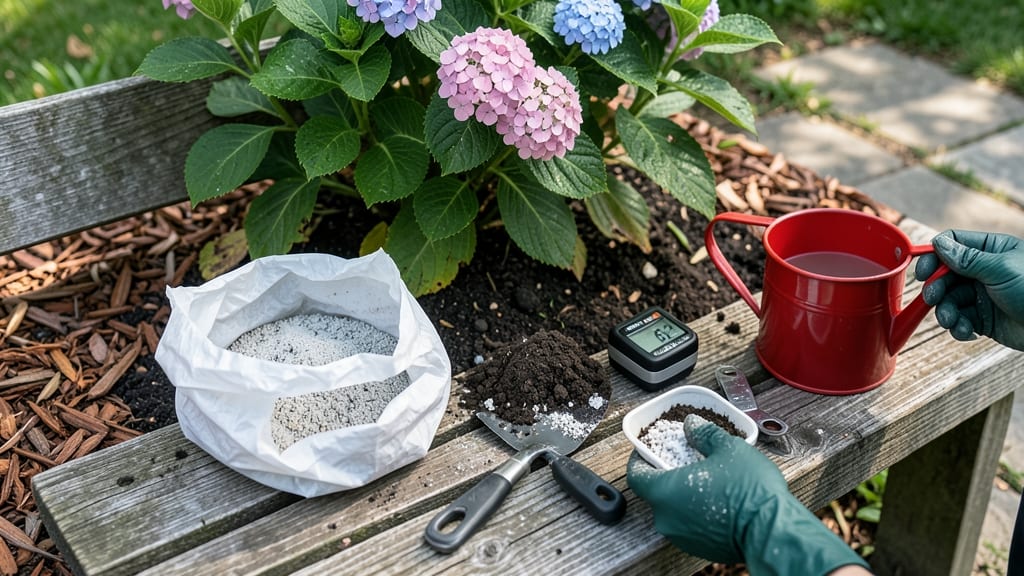
Blue hydrangeas need alkaline soil, and lime is the secret weapon. 💙 I’ve turned my pink hydrangeas into deep blues by adjusting pH—here’s exactly how to do it without overdoing it. Lime raises soil pH fast, but timing matters.
Apply it in early spring or fall, working it into the top 6 inches of soil around the plant’s drip line. Wood ash works too, but use sparingly—it’s stronger than lime. Test your soil first with a simple pH kit to avoid overshooting.
You’ll see color changes within 2-3 weeks, but full blue blooms take a season. The key is patience and monitoring—too much lime can burn roots, so start small and adjust. For stubbornly acidic soil, repeat the process yearly.
This method works for macrophylla hydrangeas (the big-leafed kind) and even some oakleaf varieties. Just skip it if your soil is already alkaline—some hydrangeas prefer pink!
📚 In This Guide
- What you need
- Instructions
- Tips and common mistakes
- Wrapping up and next steps
What you need
- ● Garden lime (calcium carbonate) – 1–2 pounds per 100 sq. ft. (check the label for purity; aim for 90–100% calcium carbonate for best results).
- ○ Wood ash – 1–2 cups per plant (optional but effective for quick pH adjustments; avoid if your soil tests high in potassium).
- ● pH testing kit – Digital or liquid test strips (to monitor progress; target pH 6.0–7.0 for blue hydrangeas).
- ● Garden fork or tiller – For mixing amendments 6–12 inches deep into the soil.
- ● Garden hose with spray nozzle – To rinse soil after applying amendments (prevents burning roots).
- ● Watering can or sprinkler – For even distribution of lime or ash.
- ● Gloves and safety goggles – Protect your hands and eyes from dust (especially when handling lime).
- ● Measuring scoop or bucket – For precise lime/ash application (avoid overdoing it!).
- ○ Compost or aged manure – Optional: Mix in 1–2 inches to improve soil structure while adjusting pH.
- ○ Rain barrel or collected rainwater – Optional: Slightly acidic rainwater can help buffer pH changes.
- ○ Mulch (pine bark or straw) – Optional: Helps retain moisture and slowly acidify soil over time (use sparingly if aiming for alkalinity).
Step-by-Step guide to raising soil pH for hydrangeas
Here's how I adjust soil pH for vibrant blue hydrangea blooms—tested across seasons in my own garden.
🌱 Step 1: Test Current Soil pH
Before adding anything, test your soil's current pH using a digital pH meter or home test kit. Hydrangeas thrive in alkaline soil (pH 6.0-7.0) for blue flowers, but most garden soil leans acidic. Dig a 6-inch deep hole near your hydrangea bush and collect soil samples from multiple spots.
Moisten the soil sample with distilled water (tap water can skew results) and follow the kit instructions. Record the reading—this tells you exactly how much lime to apply. I aim for a target of 6.2-6.5 for consistent blue blooms. If your soil tests below 5.5, you'll need a more aggressive adjustment.
💧 Step 2: Apply Garden Lime in the Right Amount
Spread ½ to 1 pound of pulverized garden lime per 100 square feet evenly over the soil surface. For a single hydrangea bush, I use about ½ cup spread in a 2-foot radius around the base. Avoid piling lime directly against the stem—it can burn roots.
Work the lime into the top 2-3 inches of soil using a garden fork or tiller. This ensures even distribution and prevents surface buildup. Water the area thoroughly after applying lime to help it dissolve and penetrate deeper. You'll see white residue on the soil surface—this is normal and indicates active pH adjustment.
☀️ Step 3: Monitor and Retest Soil pH
Wait 2-3 months before retesting the soil. Lime takes time to fully integrate and adjust pH levels. During this period, water the hydrangea regularly to help the soil settle and prevent lime from washing away. I check moisture by sticking my finger 2 inches deep—if it feels dry, water until moisture reaches that depth.
After retesting, adjust if needed. If the pH hasn't risen enough, repeat the lime application but reduce the amount by 25%. Over-alkalizing can cause nutrient deficiencies—hydrangeas need a balance of calcium and magnesium. Aim for a gradual shift rather than a sudden jump in pH.
✂️ Step 4: Maintain Alkaline Conditions Long-Term
Once you achieve the desired pH, maintain it by applying ¼ pound of lime per 100 square feet annually in early spring. This prevents natural acidification from rainfall and organic matter breakdown. Spread the lime evenly over the root zone and water it in immediately.
Compost can lower pH over time, so avoid heavy applications near hydrangeas. If you notice new yellowing leaves or stunted growth, retest the soil. Blue blooms will return within 4-6 weeks of proper pH adjustment, but consistent maintenance ensures vibrant color year after year.
Tips & tricks for perfect hydrangea soil pH adjustment
Mastering this process takes patience and precision—here's how to avoid common pitfalls while maximizing those stunning blue blooms.
Precision Testing: For the most accurate pH reading in Step 1, collect soil samples from multiple spots around your hydrangea bush. I've found that soil pH can vary by up to 0.5 points just a few feet away! Use distilled water exclusively—tap water's minerals can throw off your readings by as much as 0.3 pH units. This precision helps you calculate exactly how much lime to apply without overdoing it.
Application Technique: When applying that ½ cup of garden lime in Step 2, work it into the soil with a garden fork rather than just sprinkling it on top. This ensures even distribution throughout the critical 2-3 inch root zone where your hydrangea's roots are most active. I've seen cases where surface application led to uneven pH adjustment—roots near the surface got too alkaline while deeper roots remained acidic.
Seasonal Timing: The 2-3 month waiting period in Step 3 is non-negotiable, but you can optimize it by applying lime in early spring rather than fall. Spring applications give your hydrangea's roots time to establish in the adjusted soil before summer's heat stress. Just remember to water thoroughly after application to help the lime penetrate deeper before the growing season really kicks in.
Long-Term Maintenance: For that annual ¼ pound maintenance dose in Step 4, I recommend splitting it into two applications—half in early spring and half in early summer. This prevents sudden pH spikes that can stress your hydrangea. Think of it like fertilizer: smaller, more frequent doses work better than one big hit.
Pro Tips for Make Soil Alkaline For Hydrangeas
- Mastering this process takes patience and precision—here's how to avoid common pitfalls while maximizing those stunning blue blooms.
- Precision Testing: For the most accurate pH reading in Step 1, collect soil samples from multiple spots around your hydrangea bush.
- Application Technique: When applying that ½ cup of garden lime in Step 2, work it into the soil with a garden fork rather than just sprinkling it on top.
Frequently asked questions
Got questions about adjusting your soil’s pH for stunning blue hydrangeas? Here are some common ones—and their answers!
How often should I test my soil’s pH?
Test your soil’s pH every 3–6 months (or before planting) to monitor changes. Hydrangeas thrive in alkaline soil (pH 6.0–7.0) for blue blooms, but over-lime can lock out nutrients. A simple soil test kit ($10–$20) makes it easy!
How long does it take for lime to raise soil pH?
Lime works gradually—2–6 months for noticeable changes, depending on soil type. Sandy soil responds faster, while clay soil may take longer. Reapply as needed, and retest after 3 months to avoid overdoing it.
Can I use baking soda instead of lime?
Baking soda (sodium bicarbonate) can raise pH quickly but isn’t ideal for hydrangeas. It lacks calcium/magnesium (key for plant health) and can disrupt soil structure. Stick with garden lime (pelletized or powdered) for safe, long-term results.
Will rain wash away the lime?
Yes! Rain can leach lime, so reapply after heavy downpours (especially in sandy or loose soil). For extra staying power, mix lime into the top 6 inches of soil and water it in. A slow-release option like calcium carbonate also helps.
What if my hydrangeas turn yellow?
Yellow leaves often signal over-liming (pH too high) or nutrient deficiencies (like iron). Flush the soil with water, add organic matter (compost), and test pH again. For quick fixes, use chelated iron (available at garden centers).
Can I use wood ash instead of lime?
Wood ash raises pH but isn’t balanced for hydrangeas—it’s high in potassium and can burn roots. Use it sparingly (¼ cup per plant) as a supplement, but lime is the gold standard for consistent, safe alkalinity. Avoid ash from treated wood!
Wrapping up and next steps
Transforming your hydrangeas into stunning blue bloomers is totally within reach! By adjusting your soil’s pH with simple, natural methods like pelletized lime or wood ash, you’re giving your plants the perfect conditions to thrive.
Remember, consistency is key—monitor your soil regularly and adjust as needed to keep those vibrant blooms coming.
Ready to see the magic happen? Start testing your soil today—your hydrangeas (and your neighbors!) will thank you! 🌸✨