
Tools
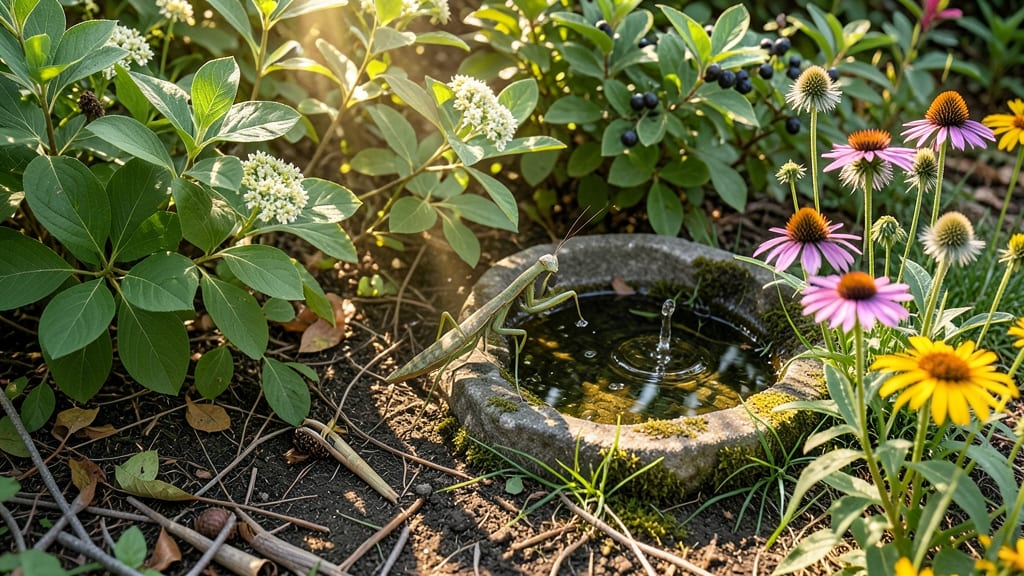
How to attract praying mantis to your garden means inviting nature’s best pest controllers into your yard. 🌿 These stealthy hunters devour aphids, beetles, and even other insects—but they won’t stick around unless you create the right habitat. My first garden had zero mantises until I planted native perennials and added a few key elements they can’t resist.
The secret starts with the right plants: tall grasses like switchgrass, milkweed for shelter, and flowering perennials like coneflowers or black-eyed Susans. Mantises need hiding spots during the day and open spaces to hunt at night.
I also added a shallow water source—a simple saucer with pebbles and water—that keeps them hydrated without drowning them.
Within weeks, you’ll notice them hunting in your garden—no pesticides needed. They’ll munch through pests while blending into the foliage, turning your yard into a self-regulating ecosystem. The best part? They’re completely harmless to humans and plants, just efficient predators.
This works in most climates, but avoid pesticides entirely—they’ll drive mantises away faster than anything else. Even organic sprays can be a problem, so focus on creating their ideal environment instead. Ready to turn your garden into a mantis magnet?
📚 In This Guide
- What you need
- Instructions
- Tips and common mistakes
- Wrapping up and next steps
What you need
- ● Native host plants: 3–5 species (e.g., Lantana, Passionflower, Milkweed, or Coneflower). Aim for 2–3 mature plants per species to ensure food sources.
- ● Water source: A shallow dish (6–8 inches wide) with pebbles or a small, flat rock for perching. Refill with 1–2 inches of fresh water every 2–3 days.
- ● Shelter: Dense foliage (e.g., Rosemary, Lavender, or Ornamental grasses) for camouflage.
- ● Artificial or natural hiding spots like coconut fiber pots (3–5 inches tall) or hollow bamboo stakes (split lengthwise).
- ● Pruning shears or scissors: For trimming plants to encourage new growth (especially in late summer/early fall).
- ● Organic mulch: 2–3 inches of wood chips or straw to retain moisture and attract beneficial insects.
- ● Insect-attracting plants: Add Dill, Fennel, or Marigolds to boost prey availability.
- ● UV or blacklight bulb: A 15–25W bulb (for nighttime use) to mimic moonlight, which mantises use for hunting.
- ● Pebble tray or flat stones: Place near water sources to give mantises dry spots to rest.
- ● Patience and a notebook: Track sightings and plant growth to refine your setup over time!
Step-by-Step instructions for creating a praying mantis haven
Want to turn your garden into a mantis magnet? Focus on their favorite plants and habitat features first.
🌿 Step 1: Plant Native Host Plants for Egg Laying
Start with plants that mantises naturally use for shelter and egg cases. I always include purple coneflower and goldenrod—their tall stems provide perfect hiding spots. These perennials also attract the prey mantises love, like bees and butterflies.
Space plants 18-24 inches apart to create natural corridors between cover. Mantises prefer sunny, undisturbed areas, so avoid high-traffic spots. If your garden has shade, add ferns or asters—they still work well for egg cases.
☀️ Step 2: Add Prey Plants to Feed Visitors
Mantises are ambush predators, so include plants that attract their favorite snacks. Milkweed draws monarch butterflies, while dill and fennel lure bees and flies. These plants should be planted in small clusters (3-5 together) rather than single stems.
Here's the thing—mantises prefer open, airy spaces between prey plants. Avoid overcrowding with dense shrubs. Instead, intersperse prey plants with tall grasses (like switchgrass) for perching spots.
🪴 Step 3: Create Shelter with Natural Materials
Mantises need places to hide during the day. I like to bundle small sticks and bark into loose piles near their host plants. They'll weave themselves into these natural nooks. Avoid tight bundles—mantises need easy access.
Leave some leaf litter in garden beds too. The damp, shaded areas under leaves become prime hunting grounds. Just avoid over-moist spots—mantises prefer slightly dry hiding places.
💧 Step 4: Water Strategically to Support Prey
Mantises drink from dew and moisture on leaves, not standing water. Water early in the morning so foliage dries by afternoon. This keeps their prey (like aphids and caterpillars) active and visible.
I avoid overhead sprinklers—they wash away prey and disturb mantis hunting grounds. Instead, use drip irrigation near prey plants. You'll see more mantis activity within 2-3 weeks as their food sources multiply.
⏰ Step 5: Wait and Observe Their Arrival
Give it 4-6 weeks for mantises to notice your new setup. They'll appear first in late summer when their eggs hatch. Look for them early morning when they're most active.
Don't be surprised if they take their time. Mantises are cautious and only move when they sense safety. Once established, they'll stay year-round in mild climates, or lay eggs that overwinter in your garden.
Tips & tricks for creating a praying mantis haven
Here's what nobody tells you about making your garden irresistible to these fascinating predators.
Plant Placement Strategy: When arranging your purple coneflower and goldenrod in Step 1, create a "mantis highway" by planting them in staggered rows rather than uniform lines. This mimics their natural habitat where they can move between plants without exposure. I've found that adding a few asters in the shade creates a backup shelter system when they need to retreat quickly.
Prey Plant Pairing: In Step 2, pair your milkweed clusters with dill and fennel—but keep them at least 3 feet apart. Mantises hunt from perches, so they need clear sightlines. I like to plant switchgrass in between these clusters to give them elevated vantage points. This setup creates a natural hunting ground where prey can't easily escape.
Shelter Design: For Step 3's natural materials, think "loose and airy" rather than "tight and compact." Bundle sticks with gaps large enough for a mantis to slip through—about the size of your pinky finger. I've seen them weave through these bundles like they're threading through a maze. Avoid using smooth river rocks or dense mulch, as these don't offer the same hiding benefits.
Watering Wisdom: When implementing Step 4's morning watering routine, use a gentle spray nozzle rather than a stream. Mantises rely on dew and surface moisture, so you want to simulate natural rainfall. I've noticed that when I water at exactly 6 AM, the foliage stays moist just long enough for them to hydrate but dries by afternoon—perfect for keeping their prey active.
Pro Tips for Attract Praying Mantis To Garden
- Here's what nobody tells you about making your garden irresistible to these fascinating predators.
- Plant Placement Strategy: When arranging your purple coneflower and goldenrod in Step 1, create a "mantis highway" by planting them in staggered rows rather than uniform lines.
- Prey Plant Pairing: In Step 2, pair your milkweed clusters with dill and fennel—but keep them at least 3 feet apart.
Frequently asked questions
Got questions? You’re not alone! Here are some common concerns—and answers—to help you successfully invite praying mantises to your garden.
Will praying mantises hurt my other plants?
Nope! These predators primarily hunt pests like aphids, caterpillars, and flies. They rarely harm flowers, vegetables, or healthy plants. In fact, they’re beneficial for your garden’s ecosystem. Just avoid overcrowding plants—they prefer open spaces to hunt.
How long does it take to attract them?
It depends on your location and habitat. Some gardeners spot mantises within weeks, while others wait months. Be patient! Consistently providing food, water, and shelter (like native plants and hiding spots) speeds up the process. Check leafy areas daily for signs of activity.
What if I don’t want mantises in my vegetable garden?
No problem! Focus on attracting them to ornamental plants or edges of your garden. Avoid planting their favorite hosts (like hibiscus or sunflowers) near veggies. Alternatively, relocate them gently with a jar and twig if they appear where you’d rather they didn’t.
Are there alternatives if mantises don’t show up?
Try these backup pest controllers: ladybugs (release them in the morning), lacewings, or even birds. Plant neem or pyrethrin-based sprays as a last resort—but mantises are the most effective natural solution for long-term pest control.
Will they survive winter in my garden?
Most praying mantises die in cold climates, but some species (like the Carolina mantis) may overwinter as eggs. If you spot eggs in late fall, leave them—they’ll hatch in spring! In colder zones, consider relocating adult mantises indoors near a window (but release them in spring if possible).
Still curious? Drop your question in the comments—we’re happy to help!
Wrapping up and next steps
Attracting praying mantises to your garden is easier than you think—just plant the right native flora, create a welcoming habitat, and let nature do the rest! 🌿 With a little patience and the tips above, you’ll soon have these fascinating predators keeping pests at bay while adding a touch of wild beauty to your space. Ready to take the next step? Start by picking one or two native plants from our list and observe how your garden transforms over time.