
Planting
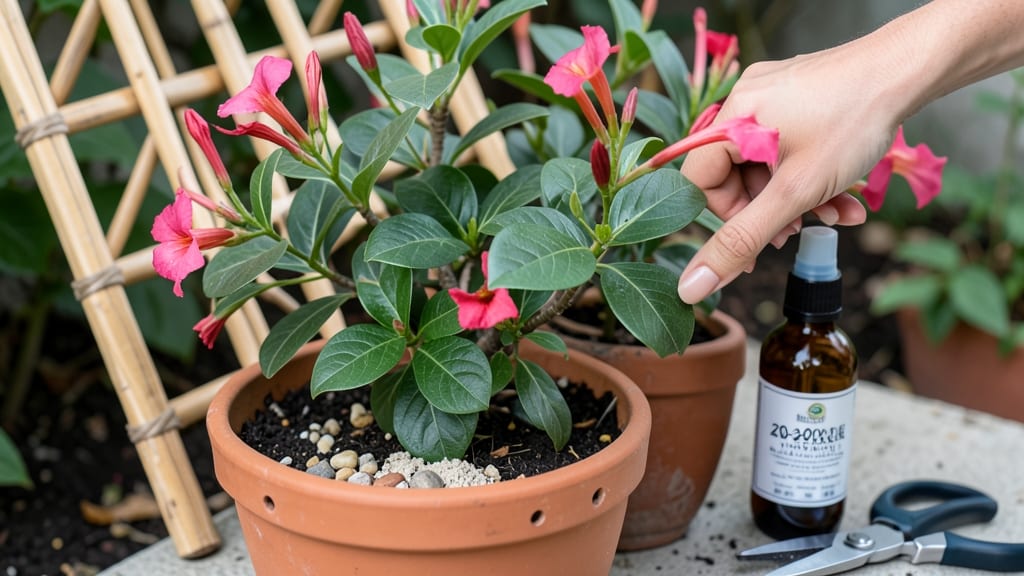
How to care for a Mandevilla plant in pots—your tropical beauty thrives with the right balance of sun, soil, and attention, turning your patio or balcony into a year-round floral show. 🌞 I’ve learned the hard way—skimp on light, and you’ll get leggy stems and sparse blooms. But with the right pot, soil, and care routine, you’ll transform that lush climber into a nonstop flowering machine, even in containers.
The secret starts with well-draining soil (think cactus mix with perlite) and a pot with drainage holes—Mandevillas hate soggy roots. Place it where it gets 6+ hours of morning sun, then water only when the top inch of soil feels dry.
Overwatering is the #1 killer, but don’t let it dry out completely either.
Feed it monthly with a balanced fertilizer during spring and summer, and prune back leggy stems in early spring to encourage bushier growth. With these tweaks, you’ll see bold, trumpet-shaped blooms from spring through fall—and maybe even a few winter surprises if you bring it indoors.
Winter’s the tricky part: if temps dip below 50°F, move it inside near a bright window. Cut back on watering and fertilizing, but don’t let it get bone-dry. Come spring, it’ll bounce back like nothing happened.
📚 In This Guide
- What you need
- Instructions
- Tips and common mistakes
- Wrapping up and next steps
What you need
- ● Pot: 1 well-draining pot (10–12 inches in diameter) with drainage holes
- ○ Optional: A cache pot (outer decorative pot) if you prefer a hidden container
- ● Potting Mix: 1 bag (1–2 cubic feet) of well-draining cactus/succulent mix or a blend of 50% potting soil + 50% perlite/pumice
- ● Mandevilla Plant: 1 healthy Mandevilla vine (bare-root or potted, from a nursery or garden center)
- ● Garden Tools: 1 pair of sterilized pruning shears (for trimming)
- ● 1 trowel or small shovel (for repotting)
- ● 1 spray bottle (for misting)
- ● Fertilizer: 1 bottle of balanced liquid fertilizer (10-10-10 or 20-20-20, diluted to half-strength)
- ○ Optional: Slow-release granules for convenience
- ● Support Structure: 1 trellis, stake, or obelisk (for climbing—6+ feet tall for mature vines)
- ○ Mulch (Optional): 1 bag of orchid bark or pine bark (to retain moisture and improve aeration)
Step-by-step instructions for caring for mandevilla in pots
Here's my foolproof method for keeping your mandevilla thriving in containers—bright blooms all season long.
🪴 Step 1: Select the Right Pot and Drainage
Mandevilla roots need room to spread but hate soggy feet. Choose a container with drainage holes at least 12-14 inches deep for each plant. I use terracotta pots because they wick away excess moisture, but plastic works too if you monitor watering closely. If your pot lacks drainage, add a 2-inch layer of gravel at the bottom before filling with soil.
Here's the thing—mandevilla roots are shallow but aggressive. A 16-inch diameter pot gives enough space for 1-2 plants without overcrowding. If you're growing multiple plants, space them 6-8 inches apart at planting time. The wider the pot, the longer your plant will bloom before needing repotting.
☀️ Step 2: Position for Maximum Sun Exposure
Mandevilla is a sun-seeker—full sun (6+ hours daily) is non-negotiable for vibrant blooms. Place your pots in a south-facing spot where they'll get unfiltered morning light and gentle afternoon sun. If you're in a hot climate, afternoon shade prevents leaf scorch while still encouraging flowering.
You'll know your plant is happy when it produces new growth every 2-3 weeks and flowers continuously. If leaves yellow or growth slows, it's getting too much shade. Move it closer to the sun—mandevilla won't bloom well in low light. In winter, bring pots indoors near a south-facing window where they can still get 4-6 hours of light.
💧 Step 3: Water Deeply and Consistently
Water when the top 1-2 inches of soil feel dry to the touch. Stick your finger in—if it's damp, wait another day. Mandevilla roots are sensitive to both drought and soggy soil. I water deeply until water runs out the drainage holes, then empty the saucer immediately to prevent root rot. This ensures roots get the moisture they need without sitting in water.
Real talk: Overwatering is the #1 killer of potted mandevilla. If leaves yellow and drop, you're likely watering too much. Let the soil dry slightly between waterings, especially in cooler months when growth slows. In summer heat, you might water every 2-3 days, but always check the soil first—don't follow a schedule blindly.
✂️ Step 4: Prune for Bushier Growth and More Flowers
Pruning isn't just about shaping—it's how you get non-stop blooms. After the first flush of flowers fades, cut back 1/3 of the plant to encourage new growth. Use clean, sharp pruners and make cuts just above a leaf node. This triggers bushier growth and more flower buds. I prune mine every 6-8 weeks during the growing season to keep them compact and floriferous.
Don't skip winter pruning! In late winter or early spring, cut back half the plant to remove weak growth and shape it. You'll see fresh, vigorous shoots emerge in spring, and your plant will rebound with even more blooms. Just avoid pruning in fall—let it rest after the growing season.
🌿 Step 5: Feed for Continuous Blooms
Mandevilla is a heavy feeder—balanced fertilizer every 2 weeks during the growing season (spring to fall) keeps it flowering nonstop. I use a 20-20-20 liquid fertilizer diluted to half strength. Start fertilizing in early spring when new growth appears and continue until late summer. In fall and winter, let the plant rest—no fertilizer needed.
Here's the secret to avoiding fertilizer burn: Always water the plant thoroughly before applying fertilizer. This prevents salt buildup in the soil, which can scorch roots. If you notice crispy leaf edges, flush the soil with water to remove excess salts. A happy mandevilla drinks up nutrients and rewards you with months of vibrant blooms—that's the payoff for consistent feeding.
Tips & tricks for perfect mandevilla care in pots
These simple secrets will help you keep your mandevilla thriving and blooming like a pro—no green thumb required.
Pot Size Matters: That 16-inch diameter pot isn't just a suggestion—it's the sweet spot for 1-2 plants. If you're tempted to go smaller, remember mandevilla roots spread aggressively. A cramped pot means less blooming time before you'll need to repot. I've seen plants in 12-inch pots struggle to produce flowers consistently because their roots were fighting for space.
Sunlight Strategy: The 6+ hours of full sun is non-negotiable, but here's what nobody tells you—morning sun is your best friend. Position your pots to catch those first rays when they're strongest, then provide afternoon shade if your climate gets scorching. I've noticed my plants in full afternoon sun often develop leaf scorch, even when they're otherwise healthy. A simple shade cloth can save your plant from sunburn while still encouraging flowering.
Watering Wisdom: That "top 1-2 inches dry" rule is golden, but timing matters too. I water mine in the morning so the roots have all day to absorb moisture before evening. The key is consistency—mandevilla hates moisture extremes. If you're unsure, stick your finger in the soil. If it's damp below the top inch, wait another day. Overwatering is the silent killer of potted mandevilla, and yellow leaves are usually the first sign you're watering too much.
Pruning Payoff: The 6-8 week pruning schedule works wonders, but here's my secret—prune just after flowering. This is when the plant has stored energy from its blooms and is ready to put it into new growth. I always use clean pruners and make cuts at a 45-degree angle just above a leaf node. This little detail makes a huge difference in how quickly your plant recovers and produces new flowers. The goal is to encourage bushier growth, not just trim for looks.
Pro Tips for Care For A Mandevilla Plant In Pots
- These simple secrets will help you keep your mandevilla thriving and blooming like a pro—no green thumb required.
- Pot Size Matters: That 16-inch diameter pot isn't just a suggestion—it's the sweet spot for 1-2 plants.
- Sunlight Strategy: The 6+ hours of full sun is non-negotiable, but here's what nobody tells you—morning sun is your best friend.
Frequently asked questions
Got questions about keeping your Mandevilla thriving in pots? Here are some of the most common ones—plus quick answers to help you troubleshoot and succeed!
How often should I water my potted Mandevilla?
Water your Mandevilla when the top 1-2 inches of soil feel dry to the touch. In hot weather, this could be every 2-3 days, while cooler months may require weekly watering. Always ensure pots have drainage holes to prevent root rot—Mandevillas hate soggy feet!
Can Mandevilla survive winter in pots?
Mandevillas are tropical and need protection from frost. Move pots indoors or to a sheltered spot (like a garage with warmth) when temps drop below 50°F (10°C). Reduce watering slightly in winter, but keep soil lightly moist. A sunny windowsill or grow light works well for overwintering.
Why are my Mandevilla leaves yellowing or dropping?
Yellowing leaves often signal overwatering or poor drainage. Check for root rot by gently tugging on the plant—if it slides easily, roots may be mushy. Brown edges or crispy leaves usually mean underwatering or low humidity. Adjust watering and consider misting or using a pebble tray for extra moisture.
How do I prune my Mandevilla for bushier growth?
Prune in early spring or after flowering to encourage fuller growth. Cut back leggy stems by 1/3 using clean, sharp shears. You can also pinch back new growth to promote branching. Deadhead spent blooms to redirect energy into new flowers—bonus tip: Save cuttings to propagate!
What’s the best pot size for a Mandevilla?
Start with a pot 1-2 inches larger in diameter than the root ball. Mandevillas prefer being slightly root-bound, so avoid oversized pots (they hold too much moisture). Terracotta pots help wick away excess water, while fabric grow bags improve airflow. Repot every 2-3 years or when roots circle the pot.
Still stumped? Drop your question in the comments—we’re happy to help your Mandevilla bloom like a pro!
Wrapping up and next steps
Caring for your Mandevilla in pots is all about balancing sunlight, water, and love—and you’ve got this! 🌿 With the right container, soil, and a little patience, you’ll be rewarded with stunning blooms that bring life to any space.
Remember, observation is key: watch for signs of thirst or stress, and adjust your care routine accordingly.
Now that you’re armed with the know-how, take the next step! Start by planting your Mandevilla or troubleshooting any early challenges—your vibrant, sun-seeking beauty is just a few steps away. Happy gardening! 🌸