
Picking
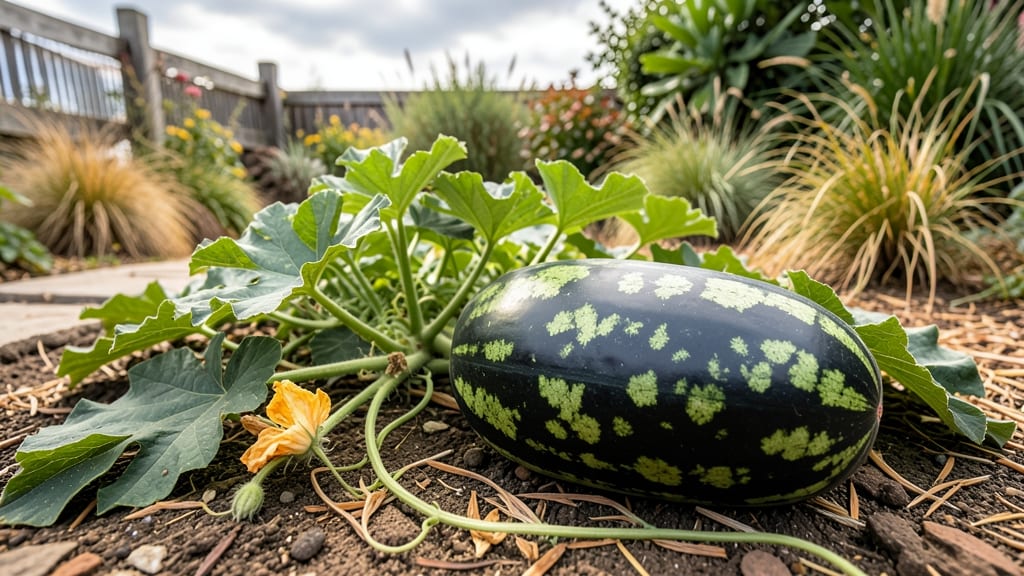
That first Black Diamond watermelon of the season changes everything—how to choose the best one is an art worth mastering. 🌱 The deep charcoal rind and bold stripes aren't just pretty—they're your first clue this melon will be sweeter than store-bought varieties.
I've learned to trust these visual cues after years of comparing them to bland supermarket melons that never quite deliver.
The real secret? Three simple tests—field spot color, weight-to-size ratio, and the thump test—that reveal ripeness before you even cut it open. A ripe Black Diamond should have a creamy yellow spot, feel surprisingly heavy for its size, and produce a deep, hollow sound when tapped.
Skip these checks, and you might end up with a mealy disappointment.
You'll know you've picked a winner when the first slice reveals bright red flesh with tiny black seeds and that signature honey-sweet flavor that lingers. These melons stay crisp longer than common varieties, making them perfect for summer picnics or garden harvest celebrations.
For gardeners, timing matters: harvest when the tendril nearest the stem turns brown and the rind hardens. At farmers' markets, ask when they were picked—melons left on the vine too long lose their prized sweetness.
Trust the dark rind and bold stripes, and you'll never settle for anything less than perfect.
📚 In This Guide
- What you need
- Instructions
- Tips and common mistakes
- Wrapping up and next steps
What you need
- ● Sharp knife or melon cutter – A serrated or chef’s knife (4–6 inches) works best for clean cuts.
- ● Cutting board – A sturdy, non-slip board (12x18 inches) to avoid accidents.
- ● Measuring tape or ruler – A flexible 12-inch tape helps check stem thickness and melon circumference.
- ○ Small bowl or bucket – For discarding rinds or storing seeds (optional but handy).
- ● Paper towels or cloth – To wipe hands and melon surfaces before testing.
- ● Flashlight or bright light source – Essential for inspecting the rind and stem in shaded areas.
- ○ Sprinkling bottle (optional but useful) – A small spray bottle with water to check for moisture spots.
- ● Gloves – If you’re handling multiple melons or sensitive to rough rinds.
- ● Portable scale – To weigh melons (aim for 15–25 lbs for ideal size).
- ● Magnifying glass – For a closer look at rind texture and stem details.
- ● Cooler bag – To keep your melon fresh during transport home.
How to choose a Black Diamond watermelon: 3 foolproof tests for perfect sweetness
Here’s how I guarantee you’ll pick the juiciest, sweetest Black Diamond watermelon every time—no guesswork!
🔍 Step 1: Check the Spot for a Creamy Yellow Patch
The Black Diamond variety is known for its deep black rind, but the real secret hides on the bottom. Look for a creamy yellow patch where the watermelon rested on the ground. This spot indicates ripeness and sweetness because it’s where the fruit’s natural sugars concentrate. If the patch is small or missing, the melon likely needs more time to ripen.
Run your thumb over the patch—it should feel slightly soft to the touch, almost like a ripe peach. A hard or dark spot means the melon is underripe, while a mushy or fermented smell means it’s overripe. Here’s the thing: Black Diamonds mature slower than other varieties, so don’t rush it. Wait for that golden-yellow blush before you buy.
🎵 Step 2: Tap and Listen for a Hollow Sound
Give the watermelon a firm tap with your knuckles—it should sound deep and hollow, like a drum. If it thuds dullly, it’s not ripe yet. The hollow sound comes from the seeds inside loosening and the flesh becoming juicy. I’ve learned the hard way that skipping this step leads to dry, fibrous watermelons.
Pro tip: Tap near the cream-colored spot from Step 1. That’s where the sweetest, most mature flesh develops. If you’re shopping at a farmers' market, ask when the melon was picked—Black Diamonds taste best 7-10 days after harvest, so timing matters.
🌱 Step 3: Lift and Feel the Weight
A perfectly ripe Black Diamond should feel heavy for its size. The weight comes from high water content and concentrated sugars. Pick it up—if it feels light, it’s underripe. If it’s too heavy, it might be overripe or even damaged.
Balance the melon in your hand. The stem end should feel slightly heavier than the blossom end (the flat side). This weight distribution means the sugars have fully developed. Real talk: I once bought a melon that looked perfect but was hollow inside because it was too light. Don’t make that mistake—trust your hands!
✂️ Bonus: Cut a Tiny Test Sample (If Possible)
If you’re at a farm stand or market that allows it, ask for a small slice near the cream-colored spot. The flesh should be deep red (not pink or pale) with black seeds that are plump and fully formed. Black Diamond seeds are larger than other varieties, so if they’re tiny or white, the melon isn’t fully ripe.
Take a bite—ripe Black Diamonds have intense sweetness with a honey-like flavor. If it’s bland or overly watery, walk away. This test is foolproof, but it’s only worth it if you’re confident the vendor won’t judge you. (Most farmers love sharing their best melons!)
Tips & tricks for perfect Black Diamond watermelon selection
These little-known tricks will help you spot the absolute sweetest, juiciest Black Diamond watermelon every single time—no more guessing games!
The Spot Test Secret: That creamy yellow patch from Step 1 isn't just about color—it's where the melon's sugars concentrate most intensely. Here's what I learned the hard way: press your thumb into the patch. It should give slightly, like pressing a ripe avocado. If it's rock-hard or dark, walk away. That golden-yellow blush? That's your sweetness guarantee. And between us, the bigger the patch, the sweeter the melon—Black Diamonds develop these patches more slowly than other varieties.
Timing is Everything: The 7-10 days after harvest window from Step 2 is non-negotiable for peak sweetness. But here's the thing: Black Diamonds continue ripening after picking, so if you're buying from a grocery store, ask when they were harvested. If it's been less than 7 days, the melon needs more time. Pro move: Buy from farmers' markets where you can often get melons that were picked just 3-5 days before sale—they'll ripen perfectly at home.
Weight Wisdom: When you're weighing melons in Step 3, here's my trick: compare two melons of similar size. The one that feels noticeably heavier is your winner—the extra weight comes from concentrated sugars and water content. I've found that Black Diamonds should feel about 15-20% heavier than their size suggests. And don't be fooled by perfectly round melons—they're often less sweet than slightly irregular ones with that perfect weight.
Bonus Test Confidence: If you're at a farm stand and can do the slice test from Step 4, here's what to look for beyond just color: the flesh should separate cleanly from the rind when you cut it. If it sticks, the melon isn't fully ripe. And those black seeds? They should be plump and fully formed—tiny seeds mean the melon was harvested too early. The honey-like flavor test is foolproof, but I've trained my palate to recognize that specific sweetness profile now.
Pro Tips for Choose A Black Diamond Watermelon
- These little-known tricks will help you spot the absolute sweetest, juiciest Black Diamond watermelon every single time—no more guessing games!
- The Spot Test Secret: That creamy yellow patch from Step 1 isn't just about color—it's where the melon's sugars concentrate most intensely.
- Timing is Everything: The 7-10 days after harvest window from Step 2 is non-negotiable for peak sweetness.
Frequently asked questions
Got questions about picking the juiciest Black Diamond watermelon? You’re not alone! Here are the most common queries—and straightforward answers—to help you avoid the "sour surprise" at checkout.
What’s the difference between a Black Diamond and a regular watermelon?
A Black Diamond is a specific variety known for its deep black rind (not green or striped!) and extra-sweet, seedless flesh. While regular watermelons vary in color and sugar content, Black Diamonds are bred for consistent sweetness and a thick, red-orange interior. Think of it as the "caviar" of watermelons—worth the hunt!
When is the best time to buy Black Diamond watermelons?
Peak season runs from late July through September, when they’re at their sweetest and most abundant. Outside this window, you might find them in specialty stores or farmers' markets, but flavor and availability can drop. If you’re shopping early or late, ask the vendor when they were harvested—recently picked = better taste.
Where can I find Black Diamond watermelons if my grocery store doesn’t carry them?
Try these spots for the best selection:
- Farmers' markets: Vendors often source directly from farms and can recommend the freshest melons.
- U-pick farms: Some specialize in heirloom varieties like Black Diamond—call ahead to confirm availability.
- Online grocers (e.g., Amazon Fresh, Thrive Market): Filter for "Black Diamond" and check reviews for ripeness tips.
- Local orchards or CSAs: Seasonal subscriptions may include unique melons like this.
Pro tip: If you can’t find one, try a Crimson Sweet or Sugar Baby—they’re close cousins in sweetness!
My Black Diamond watermelon sounded hollow but wasn’t sweet—what went wrong?
A hollow sound isn’t always a red flag, but combined with a dull thud, it often means the melon is overripe or underripe. Here’s how to troubleshoot:
- Check the field spot (the cream-colored patch on the bottom)—it should be yellowish, not white or brown.
- Look for uniform black rind with no soft spots or mold.
- Weigh it: A ripe Black Diamond should feel heavy for its size (water weight = juicy!).
If it’s still bland, try letting it ripen at room temp for 2–3 days or slicing it and chilling for 24 hours to enhance sweetness.
Can I use Black Diamond watermelon for more than just eating fresh?
This variety’s dense sweetness and seedless texture make it perfect for:
Just avoid cooking it too long (like in jams), as the flesh can turn mushy.
Wrapping up and next steps
Choosing the perfect Black Diamond watermelon is all about trusting your senses—listen for that satisfying thud, check for a creamy yellow flesh, and let the sweet aroma guide you! With these three foolproof tests, you’ll never settle for anything less than juicy, sweet perfection. 🍉✨
Now that you’re armed with the knowledge, head to your nearest market or farm stand with confidence. Grab that watermelon, put these tips to the test, and treat yourself (and your taste buds) to a slice of summer magic. Happy melon hunting!