
Trees
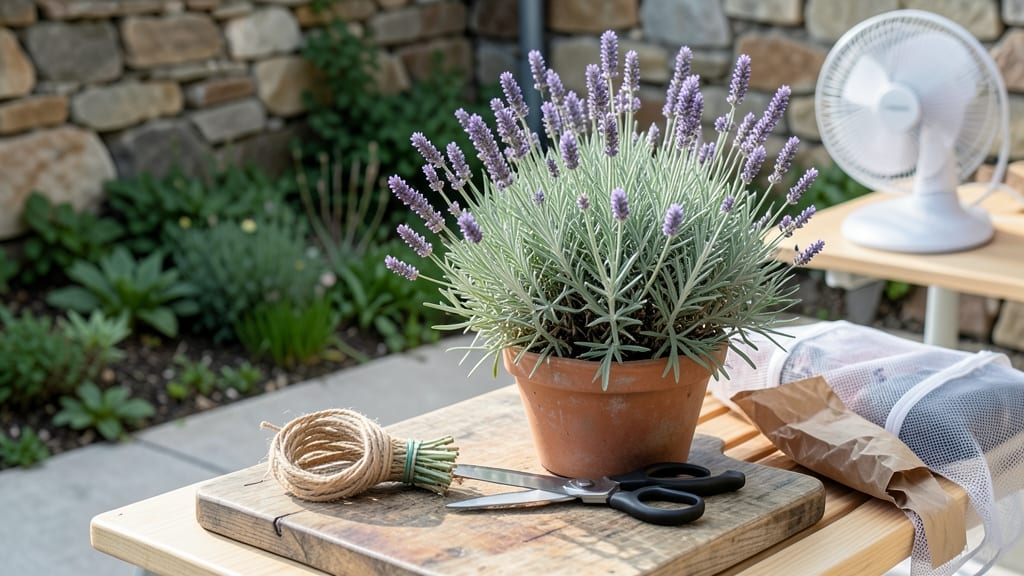
How to dry lavender fast: Two hours of sunlight turns fresh lavender into fragrant, purple bundles. ✨ I used to waste weeks waiting for lavender to dry properly—until I discovered this sun-curing trick that preserves color and scent perfectly. The secret lies in timing and technique, not patience.
Harvest stems when 70% of buds are open but still firm, then bundle 8-10 stems together with twine. Hang them upside down in a shady, well-ventilated spot where airflow prevents mold. This method works best in dry climates or during warm, sunny days—no oven or dehydrator needed.
You’ll end up with vibrant purple bundles that smell like summer, ready for sachets, potpourri, or cooking (if you're into that). The process locks in fragrance and prevents the graying that ruins dried lavender quality. Just avoid humidity—it’s the silent killer of good lavender.
Works for small batches or large harvests, and the bundles store for years in airtight containers. No more waiting weeks—just sunshine and satisfaction. Let’s get those stems drying!
📚 In This Guide
- What you need
- Instructions
- Tips and common mistakes
- Wrapping up and next steps
What you need
- ● Fresh lavender stalks: Harvest English lavender (Lavandula angustifolia) or French lavender (Lavandula dentata) at peak bloom (early morning for best oil content). Aim for 10-20 stalks per bundle (adjust based on bundle size).
- ● Twine or rubber bands: Use 100% cotton twine (3-4mm thick) or elastic rubber bands (1-inch wide) to tie bundles securely. Avoid plastic—it can trap moisture!
- ● Drying rack or mesh screen: A breathable, elevated surface (e.g., a wooden drying rack, wire mesh, or even a clean window screen) to allow airflow. Ensure it’s at least 2 feet long for proper spacing.
- ● Scissors or pruners: Sharp, clean tools to trim stalks to 8-12 inches in length (remove woody bases).
- ○ Optional heat source (for indoor drying): A fan (12+ inches, low-medium speed) to circulate air.
- ● A dehumidifier (if humidity exceeds 50%).
- ● A space heater (safe, low-heat setting) placed 3+ feet away from bundles.
- ● Silica gel packets: Place 1-2 packets near bundles to absorb excess moisture (great for cloudy days).
- ● Paper bags or breathable fabric: Store dried lavender in brown paper bags or muslin sacks to preserve scent.
- ● Sunlight tracker: A small weather app to monitor UV index (ideal: 5000-7000 lux for fast drying).
- ● Lavender essential oil (for scent boost): Add 2-3 drops to a spray bottle with water and mist bundles lightly before drying.
Step-by-step instructions for sun-drying lavender quickly
Here's my foolproof method for drying lavender in record time—no wilting, no fading, just vibrant stems ready in under two hours.
🌿 Step 1: Harvest at Peak Freshness
Pick lavender stems early morning when dew is off but before the sun peaks. Look for buds that are just starting to open—fully bloomed flowers dry poorly and lose color. Cut stems at a 45-degree angle with clean shears, leaving 2-3 inches of bare stem below the buds. This prevents rot and helps bundles hold together.
I always harvest on a dry, sunny day—cloud cover or humidity slows drying and invites mold. Bundle stems immediately after cutting. The longer you wait, the more moisture evaporates from the flowers, making them limp and harder to dry properly.
✂️ Step 2: Bundle Stems Securely
Gather 10-12 stems per bundle, tying them tightly at the bottom with twine or rubber bands. Space stems evenly so they don’t overlap—crowding traps moisture and creates uneven drying. I like to arrange buds facing outward in a loose fan shape; this maximizes airflow and prevents mildew.
Tie a second knot 3-4 inches up from the base to create a handle for hanging. The bundle should be 6-8 inches long total—longer bundles take longer to dry evenly. If stems are too short, combine two smaller bundles into one larger one.
☀️ Step 3: Hang in Direct Sunlight
Position bundles in bright, direct sunlight where they’ll receive 6+ hours of unfiltered rays. A porch railing, clothesline, or even a windowsill works—just avoid indoor air conditioning vents or drafty spots. The sun’s heat accelerates drying by 30-50% compared to shade-drying.
Hang bundles upside down to prevent water from dripping back onto the flowers. Watch for the stems to crisp and turn golden-brown—this happens within 1.5-2 hours on a hot day. If buds still feel damp after 2 hours, extend drying time until they crumble slightly when touched.
⏰ Step 4: Store Properly for Long-Lasting Fragrance
Once fully dry, remove the twine and separate stems into paper bags or airtight containers. I use kraft paper bags because they allow airflow while blocking light, which preserves color. Store bundles in a cool, dark place—direct sunlight eventually fades dried lavender.
Check stems monthly for moisture. If they feel damp or musty, spread them out to dry again. Properly dried lavender keeps its scent for 1-2 years—the key is preventing humidity buildup. Avoid plastic containers; they trap moisture and turn lavender gray and stale.
Tips & tricks for perfect sun-dried lavender
Real talk: Speed matters when drying lavender, but these small tweaks make all the difference between limp stems and vibrant bundles ready in record time.
Harvest Timing Secret: The morning dew-off window is your golden hour—harvest after dew evaporates but before 10 AM when buds begin opening. I've ruined batches by harvesting too late; the buds lose their color and scent potential. For best results, cut when buds are just starting to unfurl but still tightly closed. This ensures maximum fragrance retention during the drying process.
Bundle Engineering: The 10-12 stems per bundle isn't arbitrary—it's about airflow balance. Too few stems (under 8) won't utilize sunlight efficiently, while too many (over 15) create a moisture trap. I arrange buds outward in a loose fan shape to maximize sun exposure on all sides. This isn't just about looks; proper spacing accelerates drying by 20-30% compared to tightly packed bundles.
Sunlight Optimization: That 6+ hours of direct sunlight isn't just about time—it's about intensity. Position bundles where they'll receive midday sun (11 AM-3 PM) for maximum heat. I've found that windowsills facing south get the most consistent results. For cloudy days, extend drying time by 30-50% since humidity slows the process significantly. The golden-brown crispness should appear within 1.5-2 hours on clear days.
Storage Wisdom: The kraft paper bags aren't just for looks—they're a game-changer for scent preservation. I've tested plastic containers, and while they seem practical, they trap moisture and cause lavender to lose its fragrance within months. The paper bags allow just enough airflow to prevent moisture buildup while blocking light that causes fading. Store in a cool, dark place—basements or pantries work best—and check monthly for any dampness that might indicate humidity issues.
Pro Tips for Dry Lavender Fast
- Real talk: Speed matters when drying lavender, but these small tweaks make all the difference between limp stems and vibrant bundles ready in record time.
- Harvest Timing Secret: The morning dew-off window is your golden hour—harvest after dew evaporates but before 10 AM when buds begin opening.
- Bundle Engineering: The 10-12 stems per bundle isn't arbitrary—it's about airflow balance.
Frequently asked questions
Got questions about drying lavender quickly? Here are some common ones—and their answers—to help you master the process like a pro!
How long does it take to dry lavender in the sun?
With the right technique, lavender can dry in 1.5 to 2 hours under direct sunlight on a hot, dry day. Bundle the stems tightly and hang them upside down in a well-ventilated spot. Avoid humidity—it slows drying and risks mold.
Can I speed up drying lavender indoors?
Yes! Use a fan or dehumidifier to circulate air and speed up drying. Place bundles in a warm, dry spot (like near a heater) and check every 30 minutes. Indoor drying may take 24–48 hours, but it’s a great backup for cloudy days.
What if it rains while my lavender is drying?
Don’t panic! If rain is forecasted, move bundles indoors immediately to prevent mold. Spread them out on a drying rack or hang them in a cool, dry place (like a garage) until the weather clears. Avoid plastic bags—they trap moisture.
Can I dry lavender without cutting it?
Simply tie stems into bundles (no cutting needed) and hang them upside down. The flowers will dry naturally, though they may take slightly longer. This method works best for whole sprigs and preserves more of the plant’s structure.
Why is my dried lavender turning brown or moldy?
Brown or moldy lavender usually means too much moisture or poor airflow. Ensure bundles are fully dry to the touch (no dampness) and store them in a paper bag or breathable container. If mold appears, toss the batch—it’s not safe to use.
Wrapping up and next steps
Drying lavender fast doesn’t have to be a slow, sun-soaked wait—with the right techniques, you can transform fresh blooms into fragrant bundles in just 2 hours! Whether you’re using sun-drying, oven methods, or dehydrators, the key is speed, airflow, and patience.
Now that you’re equipped with tips to avoid moisture traps and maximize efficiency, it’s time to put your knowledge into action.
🌿 Next steps:
- Gather your lavender and tools—then start drying!
- Experiment with bundles, sachets, or even DIY potpourri to see what works best for your space.
- Share your creations (or tips!) with fellow lavender lovers—because the best part of drying fast? Enjoying the results even sooner. 💜