
Blooming
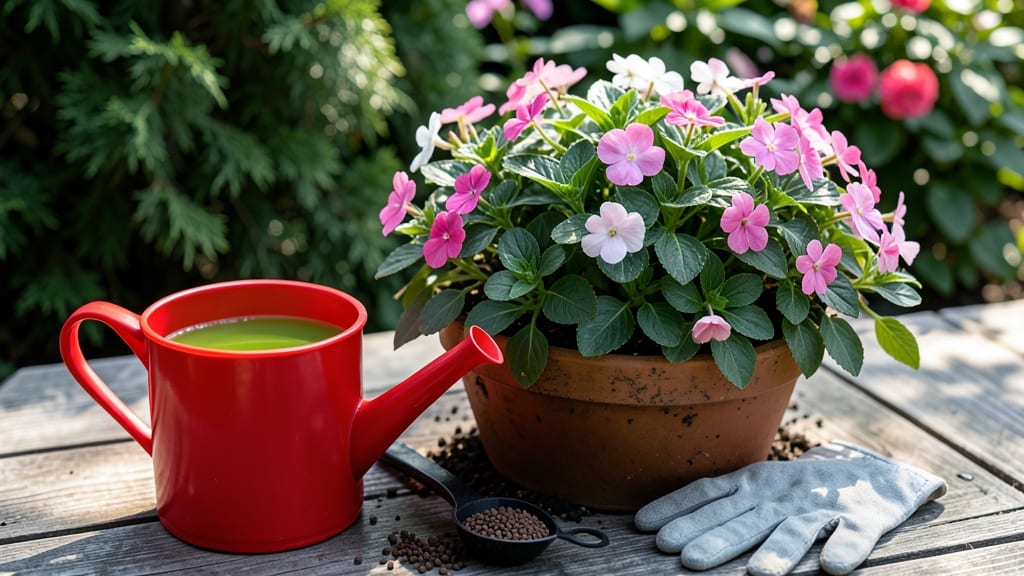
Your impatiens are throwing a bloom drought—here’s how to fix it. 🌸 The secret isn’t more water or random fertilizer; it’s light, soil balance, and deadheading done right. I’ve nursed back leggy, bare-stemmed impatiens to full, vibrant blooms using these three overlooked factors.
Start with 6+ hours of bright, indirect light daily—they’ll stretch toward windows if you’re short on sun. Amend heavy soil with perlite to prevent root rot, and feed only with balanced 10-10-10 fertilizer every 4-6 weeks. Most gardeners overdo it, burning roots and triggering leafy growth instead of flowers.
Deadheading spent blooms weekly is non-negotiable—it signals plants to produce more flowers. Pinch back leggy stems in spring to encourage bushier growth. Within 3-4 weeks, you’ll see fresh buds forming along the stems, not just at the tips.
This works for New Guinea, Super Elfin, and classic impatiens alike. The key is consistency: light, pruning, and deadheading in sync. Your impatiens will reward you with nonstop blooms from spring through frost—no more sad, bare stems.
📚 In This Guide
- What you need
- Instructions
- Tips and common mistakes
- Wrapping up and next steps
What you need
- ● Impatiens plants: Healthy, mature plants (annuals or perennials, depending on your climate). Start with at least 3-5 plants for noticeable impact!
- ● Well-draining potting mix: A blend of peat moss, perlite, and compost (or a pre-mixed African violet/impatiens mix). Avoid heavy garden soil—it causes root rot! 🚫💦
- ● Containers or garden bed: Containers: Pots with drainage holes (6–12 inches in diameter for 1–3 plants each). Terracotta or fabric pots work best.
- ● Garden beds: A partially shaded, sheltered spot with loose, fertile soil (amend with compost if needed).
- ● Balanced fertilizer: A 10-10-10 or 20-20-20 liquid fertilizer (or slow-release granules). Follow label instructions for dilution.
- ● Pruning shears or scissors: Clean, sharp tools (sterilize with rubbing alcohol to prevent disease).
- ● Watering can or hose with a gentle spray nozzle: Impatiens hate soggy roots—aim for consistent moisture, not drowning.
- ● Grow lights: If natural light is full-spectrum LED grow light (12–14 hours/day) can boost blooming.
- ● Mulch: Organic mulch (like shredded bark) to retain moisture and regulate soil temp.
- ● Bloom-boosting supplements: A phosphorus-rich fertilizer (like 5-10-5) or seaweed extract for extra floral power.
- ● Support stakes or cages: For taller varieties (like Impatiens walleriana), lightweight stakes keep stems upright.
Step-by-step guide to encouraging impatiens to bloom
Here’s the method I’ve used to turn underperforming impatiens into flowering powerhouses—no mystery fertilizers, just the right conditions.
🌿 Step 1: Provide the Right Light Conditions
Impatiens need bright, indirect light—think filtered sun or 4-6 hours of morning sunlight daily. Too much direct afternoon sun scorches leaves, while too little light stunts blooms. I place mine near an east-facing window or under a sheer curtain to diffuse harsh rays. You’ll know they’re getting enough light when the foliage stays deep green and stems remain sturdy.
If your impatiens look leggy with sparse blooms, they’re reaching for more light. Move them closer to a window or supplement with a grow light for 12-14 hours daily. Avoid south-facing windows in hot climates—leaves will crisp in direct midday sun. Watch for new buds forming within 2-3 weeks of adjusting light.
💧 Step 2: Water Consistently Without Overdoing It
Impatiens hate soggy roots but also can’t handle drying out. Water when the top inch of soil feels dry—usually every 2-3 days in warm weather, less in cooler months. I use a self-watering pot to maintain even moisture, but if you’re hand-watering, soak the soil until water runs out the drainage holes. Overwatering causes yellow leaves and root rot, while underwatering leads to wilting and dropped buds.
Check soil moisture by sticking your finger 1 inch deep—if it’s dry, water thoroughly. Avoid wetting the leaves when watering, as this invites fungal diseases. Mulching with 1-2 inches of organic mulch (like shredded bark) helps retain moisture and keeps roots cool. You’ll see stronger stems and more blooms when the plant isn’t stressed by inconsistent water.
✂️ Step 3: Deadhead Regularly to Encourage More Blooms
Deadheading—removing spent flowers—is the secret to nonstop blooms. Pinch or snip off faded blooms right at the base where the flower meets the stem. I use clean, sharp scissors to avoid damaging new buds. This trick tells the plant to focus energy on producing new flowers instead of seed pods. Do this every 2-3 days during peak bloom season.
If you skip deadheading, you’ll notice fewer blooms over time as the plant diverts resources to seed production. For bushier growth, also trim back leggy stems by one-third in early summer. Prune just above a leaf node, and you’ll encourage branching that leads to more flowers. Within 1-2 weeks, you’ll see fresh buds forming along the new growth.
🪴 Step 4: Feed with the Right Fertilizer at Key Times
Impatiens are light feeders—too much fertilizer burns roots and reduces blooms. Use a balanced, water-soluble fertilizer (like 10-10-10) every 4-6 weeks during the growing season. Dilute it to half-strength to avoid overfeeding. I also add a slow-release granular fertilizer at planting time for steady nutrition. Avoid high-nitrogen fertilizers, which promote leafy growth at the expense of flowers.
Watch for signs of overfeeding: dark, crispy leaf edges or slow growth. If this happens, flush the soil with plain water to leach out excess salts. For organic options, use fish emulsion or compost tea every 6-8 weeks. You’ll notice more vibrant blooms and fewer yellow leaves when the plant gets the right nutrients without excess.
☀️ Step 5: Adjust Care for Seasonal Changes
Impatiens bloom best in warm but not scorching temperatures—ideal range is 65-75°F. In summer, move them to partial shade if temperatures exceed 85°F to prevent leaf scorch. In cooler months, they may slow down but still benefit from bright light. I bring potted impatiens indoors before the first frost, placing them near a south or east window for winter blooms.
Reduce watering in fall and winter since growth slows. Prune back leggy stems by half in early spring to encourage fresh, bushy growth. With consistent light and care, impatiens can bloom year-round indoors or through late fall outdoors in mild climates. The key is adapting their environment to match their natural rhythm.
Tips & tricks for perfect impatiens blooms
Real talk: I've watched impatiens go from sparse blooms to lush flower displays by focusing on these key adjustments—no fancy tricks, just smart plant care.
Light Adjustment: That 4-6 hours of morning sunlight is non-negotiable, but here's what I learned the hard way: if your impatiens are indoors, rotate them quarter-turn daily to prevent uneven growth toward the light source. For grow lights, position them 6-12 inches above the plant to mimic natural light intensity. Watch for new buds forming within 2-3 weeks of proper light exposure—this is your confirmation they're thriving.
Watering Technique: The top inch dry rule works, but I've found using a moisture meter at the 1-inch depth gives more consistent results than finger testing. For potted plants, weigh them—when they feel noticeably lighter, it's time to water. And here's a game-changer: water in the early morning to reduce evaporation and fungal risks. You'll notice stronger stems and fewer dropped buds when maintaining this routine.
Deadheading Strategy: That every 2-3 days recommendation is perfect, but I've refined it further: remove spent blooms first thing in the morning when the plant is fully hydrated. This prevents seed pod formation more effectively. For bushier growth, trim back leggy stems by one-third in early summer—just above a leaf node—and you'll see fresh buds forming within 1-2 weeks. The key is consistent maintenance during peak bloom season.
Fertilizer Timing: The 4-6 week feeding schedule is spot-on, but I've found that half-strength applications every 3 weeks during peak summer growth (June-August) produces even more vibrant blooms. Always flush the soil with plain water after fertilizing to prevent salt buildup. For organic options, fish emulsion applied every 6-8 weeks provides excellent results without the risk of overfeeding.
Pro Tips for Get Impatiens To Bloom
- Real talk: I've watched impatiens go from sparse blooms to lush flower displays by focusing on these key adjustments—no fancy tricks, just smart plant care.
- For grow lights, position them 6-12 inches above the plant to mimic natural light intensity.
- Watering Technique: The top inch dry rule works, but I've found using a moisture meter at the 1-inch depth gives more consistent results than finger testing.
Frequently asked questions
Got questions about coaxing those vibrant impatiens blooms? You’re not alone!
Here are answers to the most common concerns—from timing to troubleshooting—so you can enjoy a nonstop floral show.
Why aren’t my impatiens blooming even with lots of sunlight?
Impatiens thrive in bright, indirect light—too much direct sun can scorch leaves and stunt blooms. If they’re wilting or flowering poorly, move them to a spot with morning sun and afternoon shade. East-facing windows or dappled shade under trees are ideal. Overcrowding or poor soil can also hinder blooms—try repotting if needed!
How long does it take for impatiens to start blooming after planting?
With the right care, impatiens can bloom 4–8 weeks after planting, depending on the variety and growing conditions. New Guinea impatiens often bloom faster (3–6 weeks) than garden impatiens. If they’re slow, check for adequate light, water, and nutrients—and deadhead spent blooms to encourage more flowers!
Can I force impatiens to rebloom after they stop flowering?
Impatiens are heavy bloomers but may slow down in late summer. To restart flowering:
- Prune back leggy stems by ⅓ to encourage bushier growth.
- Fertilize with a balanced, water-soluble fertilizer (10-10-10) every 2–3 weeks.
- Deadhead daily to prevent seed production.
Are there impatiens varieties that bloom longer or are more low-maintenance?
Yes! For longer blooms, try:
- New Guinea impatiens (tolerate more sun, bloom year-round in warm climates).
- SunPatiens (heat- and sun-resistant, great for containers).
- Double impatiens (fluffy blooms that last longer than singles).
Why do my impatiens leaves turn yellow, and how does it affect blooming?
Yellow leaves usually signal overwatering, poor drainage, or nutrient deficiencies. Fix it by:
- Ensuring pots have drainage holes and soil dries slightly between waterings.
- Fertilizing with an iron supplement if leaves are pale yellow.
- Trimming affected leaves to redirect energy to blooms.
Can impatiens bloom indoors year-round, and what’s the trick?
Yes! For indoor impatiens:
- Place near a south- or east-facing window (supplement with grow lights if needed).
- Keep humidity high (mist leaves or use a pebble tray).
- Fertilize monthly with a diluted bloom booster.
- Deadhead religiously to prevent legginess.
Wrapping up and next steps
Getting your impatiens to bloom is all about patience, proper care, and a little extra love! 🌸 By ensuring they get the right light, well-draining soil, and consistent deadheading, you’ll be rewarded with vibrant, long-lasting flowers.
Don’t forget to monitor for pests and adjust conditions as needed—your green thumb is growing stronger every day!
Ready to see those blooms light up your space? Start with one small tweak—like moving them to a sunnier spot or pruning spent flowers—and watch the magic happen! 🌿✨