
Pests
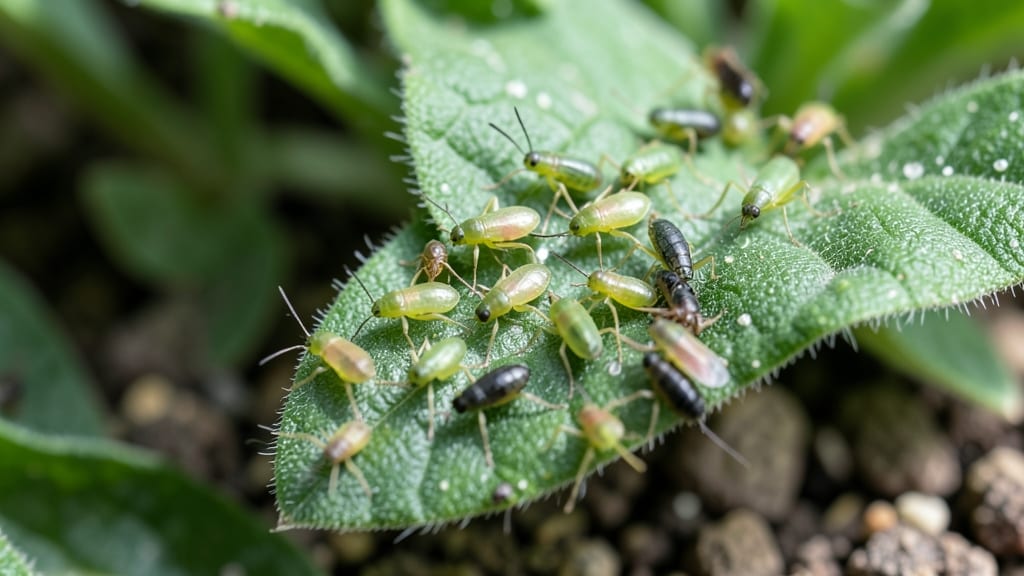
How to get rid of aphids on flowers fast—before they turn your blooms into sticky, curled messes in days. 🌸 The boiling water blast method works faster than most sprays—it kills clusters on contact while leaving your plants unharmed. I’ve used it on roses, hydrangeas, and even delicate petunias without a single leaf scorched. Most gardeners reach for soapy water or neem oil first, but these take time to work. Boiling water delivers instant results—just aim for the undersides of leaves where aphids hide. The heat disrupts their waxy coating, and they drop like flies. For stubborn infestations, repeat every 3-4 days until no new aphids appear. You’ll see fresh, aphid-free growth within 48 hours of treatment. The flowers stay intact, and beneficial insects like ladybugs return faster because the method doesn’t harm the plant’s ecosystem. Even my black thumb couldn’t mess this up. Works best in warm, dry conditions—ideal for late spring through summer. For winter or windy days, switch to a soapy water spray instead. Here’s exactly how to do it without burning your plants.
Root Causes of Aphid Outbreaks
Aphids don’t just randomly appear on your flowers—they’re drawn by specific conditions that make your plants a buffet for these tiny sap-sucking pests. Understanding why they show up is the first step to stopping them in their tracks. Let’s break down the science behind their infestations.
Aphids thrive on plants that are already struggling. When flowers are overcrowded, competition for nutrients, water, and sunlight weakens them, making them easier targets.
- Why it happens: Stressed plants produce more honeydew (a sticky aphid waste product) and volatile organic compounds (VOCs), which attract more aphids.
Think of it like a distress signal: "Come and get me!" - Key triggers: - Poor soil drainage (root suffocation) - Overwatering or underwatering (both disrupt nutrient uptake) - Nutrient deficiencies (especially nitrogen or phosphorus) - Physical damage (e.g., from wind, hail, or improper pruning)
💡 Pro tip: Healthy plants are resilient. Test your soil’s pH and nutrient levels—aphids love plants with a pH between 6.0 and 7.0 (slightly acidic to neutral).
Plants have built-in pest-repelling mechanisms, but aphids exploit gaps in these defenses. When plants are young, injured, or diseased, their phloem sap (the aphid’s food source) becomes more accessible.
- Why it happens: Aphids inject salivary enzymes that suppress the plant’s immune response, making it easier to feed.
Additionally: - New growth (tender shoots and buds) is aphid magnets because it’s rich in sugars. - Diseased or virus-infected plants (like those with cucumber mosaic virus) attract aphids, which then spread the virus further. - Common culprits: - Fungal infections (e.g., powdery mildew) - Bacterial soft rot - Viral infections (aphids are vectors for many plant viruses)
✨ Science note: Some plants release allelochemicals (natural repellents), but aphids have evolved to detect and avoid these—unless the plant is already compromised.
Aphids are part of a delicate ecosystem. When their predators disappear, their populations explode. This imbalance is often caused by human interference or environmental changes.
- Why it happens: Aphids are preyed upon by:
- Ladybugs (adults and larvae)
- Lacewings (green and brown)
- Parasitic wasps (lay eggs inside aphids)
- Birds (like chickadees and warblers)
- Spiders and ground beetles If these predators vanish due to pesticide use, habitat loss, or climate shifts, aphids multiply unchecked.
- Human-made triggers:
- Broad-spectrum pesticides (kill both pests and beneficial insects).
- Monoculture gardening (reduces biodiversity, limiting predator habitats).
- Urbanization (fewer wildflower meadows = fewer predator food sources).
🎯 Actionable insight: Avoid chemical pesticides early on. Instead, encourage predators by planting companion flowers (like dill, fennel, or yarrow) that attract them.
Aphids are highly sensitive to environmental conditions. Warm, humid weather with mild winters creates the perfect breeding ground.
- Why it happens:
- Warm temperatures (60–80°F) accelerate aphid reproduction (some species can multiply every 7–10 days).
- High humidity reduces desiccation risk, letting them thrive on leaves.
- Rain followed by sunshine washes away natural predators (like spiders) but leaves aphids unharmed.
- Mild winters allow aphids to survive and repopulate faster in spring.
- Seasonal patterns:
- Spring: Aphids emerge on new growth.
- Summer: Populations peak if conditions are ideal.
- Fall: Some species (like woolly aphids) produce wool-like secretions to insulate against cooler temps.
🌡️ Climate change connection: Rising global temperatures are expanding aphid habitats. In some regions, second-generation aphids now appear in a single growing season.
Not all flowers are equally appealing to aphids. Some plants are aphid super-attractants due to their sap composition, scent, or structural traits.
- Why it happens:
- Soft, hairless leaves (e.g., roses, lilacs) are easier for aphids to pierce.
- High-sugar sap (common in legumes, brassicas, and nightshades) is a feast.
- Strong fragrances (like jasmine or gardenia) can mask the plant’s natural defenses.
- Top aphid-loved plants:
- Roses (especially hybrid teas)
- Peonies
- Lavender
- Zinnias
- Cabbage family (broccoli, kale, Brussels sprouts)
🔥 Hot take: Some gardeners swear by aphid-resistant varieties (e.g., ‘Knock Out’ roses or aphid-resistant basil). If you’re prone to infestations, opt for these!
Aphids don’t always arrive on their own—they often stow away on tools, clothing, or even the wind.
- Why it happens:
- Alate aphids (winged adults) fly to new plants when their current host is overcrowded.
- Humans unknowingly transport them via:
- Gardening tools (pruners, trowels)
- Infested plant cuttings or seedlings
- Clothing or shoes brushed against infected plants
- Wind and water (rain or irrigation) can carry aphids to nearby plants.
🚫 Prevention tip: Disinfect tools with rubbing alcohol between uses, and quarantine new plants for 2 weeks before introducing them to your garden.
Beat Back Aphids Naturally
Now that you know why aphids invade your flowers, let’s tackle the problem head-on with effective, plant-safe solutions tailored to common causes. Whether your garden is overcrowded, under-watered, or simply aphid-magnet material, these fixes will help you reclaim your blooms—without harsh chemicals.
Aphids love hiding in dense foliage where they’re protected from predators and sprays. If your flowers are packed too tightly: - 🔪 Prune aggressively: Snip back overgrown stems by 20–30% to improve airflow.
Focus on the centers of bushes and clusters where aphids cluster. - 🌱 Space them properly: Give plants 3–6 inches of clearance (check plant tags for specifics).
This makes it easier to spot and treat infestations early. - 💡 Pro tip: Remove heavily infested leaves before treating the rest—aphids spread fast, and you don’t want to contaminate your tools or other plants.
Weak, thirsty plants are aphid buffets. Aphids target stressed flowers because their sap is sweeter (yes, really!). To toughen up your blooms: - 👨🍳 Water deeply but less often: Aim for 1–2 inches of water per week (check soil moisture—stick your finger in 1 inch deep; if dry, water).
Overwatering causes root rot, which stresses plants further. - 🌡️ Mulch like a pro: Spread 2–3 inches of organic mulch (straw, shredded leaves, or wood chips) around the base to retain moisture and regulate soil temp. - 🍽️ Feed them right: Use a balanced, slow-release fertilizer (10-10-10) in spring.
Avoid high-nitrogen fertilizers—they encourage soft, aphid-loved growth.
Aphids thrive when their predators (ladybugs, lacewings, parasitic wasps) are missing.
Boost your garden’s defense team: - 🐞 Buy beneficial insects: Purchase ladybugs or lacewing larvae from garden centers and release them at dusk (they’re nocturnal and less stressed by heat). - 🌼 Plant companion flowers: Add dill, fennel, marigolds, or yarrow nearby—they attract predatory insects and mask aphid scents. - 🌿 Avoid broad-spectrum pesticides: These kill everything, including your aphid hunters.
Stick to neem oil or insecticidal soap for targeted strikes.
If aphids have taken over, aggressive action is needed. Here’s how to wipe them out fast (including that boiling-water trick from the title!): - 🍳 Boiling water blast (best for small plants): 1. Fill a small watering can or kettle with boiling water.
- Hold it 6–12 inches above the infested area and pour slowly to avoid scorching soil. 3.
Repeat 2–3 times for severe cases. Works best on aphids on roses, hydrangeas, or potted flowers. - 🧼 Soapy water spray (gentler but effective): Mix 1 tsp mild dish soap + 1 quart water in a spray bottle. Drench both sides of leaves (aphids hide underneath!).
Reapply every 3–5 days until gone. - 🌡️ Neem oil treatment (prevents regrowth): Combine 1 tbsp neem oil + 1 tsp mild soap + 1 quart water. Spray evenly at dusk (neem burns in sunlight). Repeat weekly for 2 weeks to break the aphid life cycle.
Stop aphids before they start with these low-effort habits: - 🌱 Rotate crops: If you grow annuals, switch their locations yearly to disrupt aphid life cycles. - ✨ Inspect new plants: Quarantine store-bought or garden-swapped plants for 2 weeks before introducing them to your garden. - 🌿 Clean up debris: Aphids overwinter in fallen leaves and plant refuse.
Rake up debris in late fall and compost it away from your garden. - 🎯 Early detection: Check new growth and undersides of leaves weekly. Isolate infested plants immediately to prevent spread.
- Don’t use vinegar sprays on flowering plants—it can burn petals and harm beneficial insects.
- Avoid alcohol or rubbing alcohol—it’s ineffective and can damage plant tissues.
- Skip the hose blast for delicate flowers like roses or orchids—it can disrupt blooms and spread aphids to other plants.
Remember: Aphids are a manageable nuisance, not a death sentence for your garden. With consistent care and a few targeted fixes, your flowers will bounce back—stronger, healthier, and aphid-free! 🌸💪
Frequently asked questions
Is boiling water safe for all types of flowers?
The boiling water method works best on hardy perennials like roses, hydrangeas, and potted annuals. Avoid using it on delicate blooms (like orchids, tulips, or snapdragons) or plants with thin stems—the heat can damage them. Always test a small area first and keep the water 6-12 inches above the foliage to prevent scorching.
How often should I reapply neem oil treatments?
For active aphid infestations, spray neem oil weekly for 2 weeks to break their life cycle. After that, apply it every 2-3 weeks as a preventive measure during peak growing seasons (spring and summer). Always mix with 1 tsp mild soap per quart to help it stick to leaves.
Will ladybugs actually eat all my aphids?
One ladybug can eat 5,000 aphids in its lifetime! Release 20-30 adult ladybugs per plant for severe infestations, and they’ll start hunting within 24 hours. Release them at dusk when they’re least active from heat. For best results, combine them with companion plants like dill or yarrow to keep them in your garden.
Why do aphids keep coming back after treatment?
New aphids often arrive from nearby plants or new growth you missed. Check undersides of leaves and new buds weekly. Also, aphids reproduce every 7-10 days, so consistent treatments (like neem oil or soapy water) are key. If they persist, your plants may be stressed—check soil moisture and nutrient levels.
Can I use the boiling water method in cold weather?
No—boiling water works best in warm, dry conditions (60-80°F). In cold weather, switch to soapy water spray or neem oil, which are gentler. Cold temperatures slow aphid reproduction anyway, making winter the perfect time for preventive care like pruning and cleaning up debris.