
How To
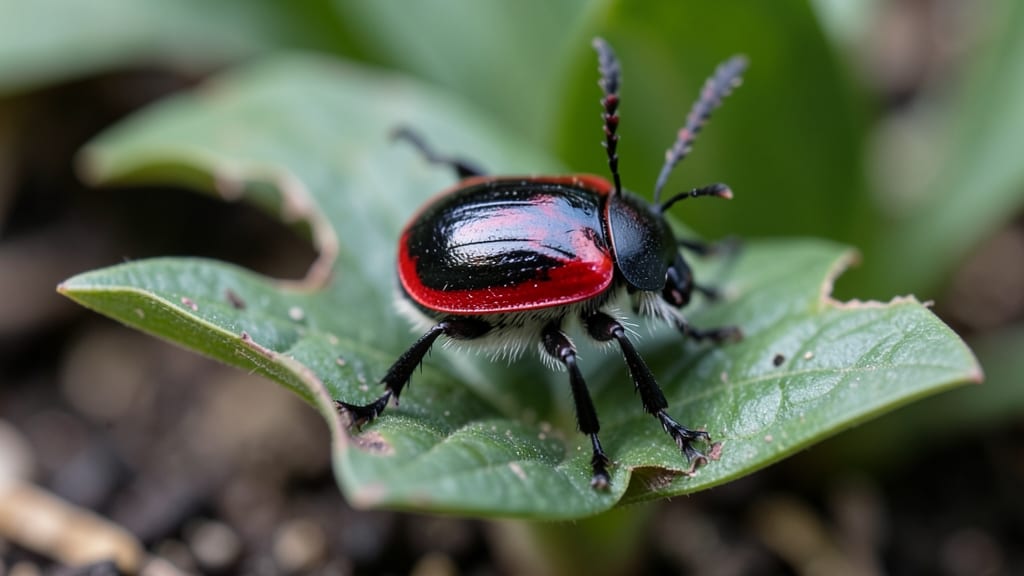
How to get rid of the scarlet lily beetle—those shiny red invaders that can turn your prized lilies into skeleton leaves in days. 🌿 I’ve battled these pests three summers running, and I’ve finally cracked the code for permanent control without harsh chemicals. The key? Three simple steps that work together—handpicking when populations are small, strategic sprays for larger infestations, and long-term prevention that keeps them off your plants for good. My lily beds stayed beetle-free all last season, and I’ll show you exactly how. You’ll learn to spot the early signs (tiny black eggs under leaves), when to intervene, and how to protect your garden without resorting to toxic sprays. The results? Healthy, blooming lilies by midsummer, with no more beetle battles. This method works for lilies, fritillaries, and tulips—any plant these pests love. Let’s reclaim your garden, step by step.
Root Causes of Scarlet Lily Beetle Infestations
The scarlet lily beetle (Lilioceris lilii) isn’t just a random garden pest—it’s a highly targeted invader with specific reasons for showing up in your yard. Understanding why these vibrant red beetles and their larvae attack your plants is the first step to stopping them.
Here’s a breakdown of the key factors that turn your lilies, fritillaries, and other host plants into their all-you-can-eat buffet.
The scarlet lily beetle has a very particular palate: it thrives on plants in the Liliaceae family, including:
- True lilies (Lilium spp.) – Their top choice, especially Lilium martagon (Martagon lily) and Lilium candidum (Madonna lily).
- Fritillaries (Fritillaria spp.) – These bell-shaped flowers are a magnet for both adults and larvae.
- Tulips (Tulipa spp.) – While not as preferred as lilies, they’re still on the menu.
- Other Liliaceae relatives like Allium (some ornamental onions), Gagea, and Hyacinthus (hyacinths).
💡 Why it matters: These plants contain alkaloids and glycosides that the beetles have evolved to metabolize. Without these specific nutrients, they won’t feed—or reproduce. If your garden is packed with their favorite snacks, they’ll stick around like a bad houseguest.
The scarlet lily beetle isn’t a natural resident of North America, Australia, or New Zealand—it’s an invasive species that hitchhiked across continents. Here’s how:
- 1950s Europe: Originally from Europe and Asia, it was likely introduced to North America (first spotted in Canada in 1992) via contaminated bulbs or soil from Europe.
- 2000s Australia/New Zealand: Arrived in the early 2000s, probably through imported garden plants or infested potting mix.
- No natural predators: Since they’re not native, local birds, insects, or fungi haven’t evolved to control their populations. They reproduce unchecked.
🌡️ Climate boost: Mild winters and warm summers in regions like British Columbia, Oregon, and parts of Australia give them the perfect conditions to thrive year-round. In colder areas, they may go dormant in winter but bounce back aggressively in spring.
The scarlet lily beetle’s rapid life cycle is why infestations explode seemingly overnight. Here’s how it works:
| Stage | Duration | What They Do | Damage Risk |
|---|---|---|---|
| Adult Beetles | April–October (varies by climate) |
|
⭐⭐⭐⭐ (Heavy defoliation) |
| Larvae | 2–3 weeks |
|
⭐⭐⭐⭐⭐ (Devastating—can kill plants) |
| Pupae | 1–2 weeks | Overwinter in soil (in cold climates) or emerge quickly in warm areas. | ⭐ (Hidden but dangerous) |
✨ Key takeaway: If you see adults in spring, larvae will follow in weeks. Their short life cycle means one generation can become hundreds in a season if left unchecked.
Even well-meaning gardeners can accidentally introduce or spread scarlet lily beetles. Common mistakes include:
- Buying infested plants: Bulbs, tubers, or potted lilies from nurseries may carry eggs or larvae hidden in soil or foliage.
- Sharing garden tools/saucepans: Beetles and larvae can hitch a ride on pruners, trowels, or watering cans between gardens.
- Composting infested plants: If you toss beetle-damaged lilies into compost, eggs or pupae may survive and reinfest your garden later.
- Moving soil or mulch: Pupae can lie dormant in soil for months—spreading it unintentionally transports them.
🔥 Pro tip: Always inspect new plants for beetles or eggs (look for orange clusters on leaf undersides) and quarantine them for a week before planting.
Now that you know why these beetles show up—and how quickly they multiply—you’re ready to tackle them with targeted strategies. The good news? Understanding their habits gives you the upper hand in permanent elimination.
Practical Ways to Eliminate Scarlet Lily Beetles
Now that you understand why these vibrant invaders target your lilies, it’s time to take action! Scarlet lily beetles (Lilioceris lilii) may seem tiny, but their damage adds up fast. The good news?
With the right approach, you can banish them for good—without harsh chemicals if you prefer. Below, we’ve mapped out targeted solutions based on the root cause of your infestation, plus prevention tips to keep them away long-term.
If your lilies are already under siege, manual removal is your best first defense—especially in small gardens or early-stage outbreaks.
How to do it:
- 👨🍳 Scout at dawn or dusk when beetles are sluggish (avoid peak sun when they’re hyperactive).
- 🔪 Use gloves or tweezers to pluck adults and larvae off leaves and stems. Drop them into soapy water (1 tbsp dish soap per gallon) to kill them instantly.
- 🕰️ Repeat daily for 3–5 days—consistency is key! Check under leaves and along stems where they hide.
Pro tip: 💡 Time it right—adults emerge in spring/summer, and larvae appear shortly after. Act fast to prevent egg-laying!
Scarlet lily beetles are drawn to yellow and orange hues, so you can trick them into traps while blocking their access to your plants.
DIY beetle trap method:
- 🍳 Fill a shallow dish with soapy water and place yellow sticky traps (or paint a yellow bucket lid) nearby.
- 🎯 Position traps 1–2 feet from infested lilies—they’ll land on the bright color and drown.
- 🔄 Refresh traps every 2–3 days and dispose of beetles in sealed bags.
Physical barriers (for prevention):
- 🛡️ Cover young lilies with floating row covers or lightweight mesh in early spring to block adults from laying eggs.
- 🌡️ Use reflective mulch (like aluminum foil or silver plastic) around plant bases—beetles dislike shiny surfaces!
If hand-picking isn’t enough, natural sprays can disrupt their feeding and reproduction without harming pollinators.
Best options:
| Spray | How to Use | When to Apply |
|---|---|---|
| Neem oil | Mix 1 tbsp neem oil + 1 tsp mild soap in 1 quart water. Spray directly on beetles and leaves. | Early morning or evening (avoid direct sun). |
| Insecticidal soap | Spray thoroughly on all leaf surfaces—focus on undersides where larvae hide. | Every 3–5 days until no more beetles appear. |
| Kaolin clay | Forms a protective film; mix 1 lb clay + 1 gallon water. Reapply after rain. | Preventative—apply before beetles arrive. |
✨ Pro tip: For larvae-heavy infestations, Bacillus thuringiensis var. kurstaki (Btk)—a natural bacteria—can be highly effective when sprayed on foliage.
If your garden is severely infested and natural methods fail, pyrethrin-based sprays (derived from chrysanthemums) or neonicotinoid systemic granules (like imidacloprid) can work—but use them sparingly.
How to apply chemicals safely:
- 🔥 Choose a calm day (no wind) and apply evening or early morning.
- 👨🍳 Wear gloves and a mask—some chemicals can irritate skin.
- 🌱 Follow label instructions—overuse can harm beneficial insects.
- 🌱 Rotate methods to prevent resistance (e.g., alternate neem oil with insecticidal soap).
⚠️ Warning: Avoid malathion or carbaryl—they’re toxic to bees and other pollinators.
The best defense is a proactive garden strategy to make your lilies unappealing to scarlet lily beetles.
Prevention
Frequently asked questions
How do I tell if my lilies have scarlet lily beetles?
Look for bright red adults (about ¼-inch long) chewing leaves, and clusters of orange eggs on leaf undersides. Larvae appear as black with orange stripes and skeletonize foliage. Check stems too—beetles often hide there during the day. Early signs include tiny holes in leaves or yellowing patches.
Will neem oil kill scarlet lily beetle eggs?
Neem oil won't kill eggs directly, but it creates an inhospitable environment. Spray neem oil mixed with mild soap on leaves to suffocate newly hatched larvae and deter adults from laying more eggs. For existing eggs, focus on removing adults first—they lay up to 800 eggs each! Reapply every 5-7 days for best results.
Can I use diatomaceous earth on scarlet lily beetles?
Food-grade diatomaceous earth can help, but it's less effective than other methods for these beetles. The powder needs to directly contact their bodies to work, and they often hide under leaves. For best results, apply a thin layer on soil around plants to target pupating larvae, then combine with handpicking adults for comprehensive control.
How long does it take to eliminate an infestation completely?
With consistent daily handpicking and weekly sprays (neem oil or insecticidal soap), you can see significant improvement in 2-3 weeks. Complete elimination may take 4-6 weeks depending on the infestation size. The key is catching all life stages—adults, larvae, and eggs—before they multiply.
Are there any companion plants that repel scarlet lily beetles?
While no plant completely repels them, strongly scented herbs like rosemary, thyme, and lavender may deter adults. Plant these near your lilies as a deterrent barrier. For better protection, combine with physical barriers (like row covers) and regular monitoring. The best defense remains vigilance and early intervention.