
Pests
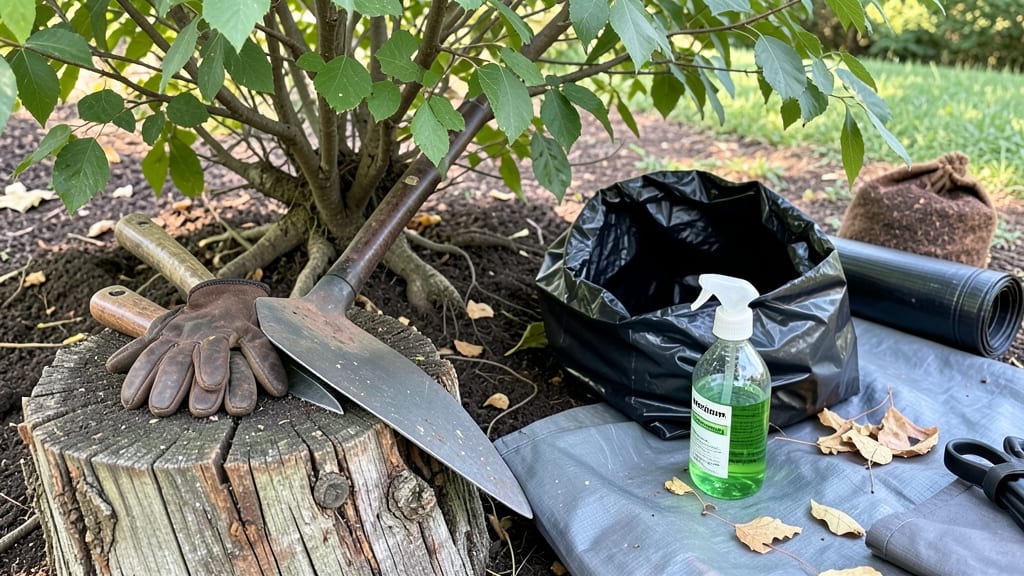
How to get rid of staghorn sumac—it’s the only way to stop this itchy, fire-prone nightmare from taking over your yard. 🌿 I’ve battled these aggressive shrubs for years—and finally cracked the code with a boiling water barrier that smothers roots for good. No more hacking away at regrowth every spring.
The secret is timing and technique. Cut the stems in late winter or early spring when sap flow is low, then pour boiling water directly into the stump holes to kill the root system.
It’s brutal on the plant but effective, and you’ll see new growth stop within 2-3 weeks. Just be prepared for some stubborn roots—this isn’t a one-and-done fix.
By summer, your yard will look completely different—no more velvety red berries or invasive spread. The boiling water method works best in dry conditions, and it’s safer for nearby plants than chemical herbicides. Plus, it’s a satisfying way to reclaim your space without harming the ecosystem.
Fair warning: wear gloves and long sleeves—the sap can irritate skin. And if you’ve got a big patch, break it into sections to avoid overheating the water. Once you master this, sumac won’t stand a chance in your yard.
📚 In This Guide
- What you need
- Instructions
- Tips and common mistakes
- Wrapping up and next steps
What you need
- ● Boiling water: At least 5 gallons (or more for large patches). Use a large pot, kettle, or even a boiling water tank (rent or buy) for efficiency.
- ● Gloves: Heavy-duty gardening gloves (nitrile or leather) to protect your hands from heat and sap.
- ● Long sleeves & pants: Wear closed-toe shoes and long-sleeve clothing to avoid burns or skin irritation.
- ● Shovel or garden fork: A sturdy, heavy-duty shovel (for cutting roots) or a garden fork (for loosening soil).
- ● Pruners or loppers: Bypass pruners (for cutting stems) or loppers (for thicker branches).
- ● Plastic sheeting or tarp: 6–10 mil thick, sized to cover the entire infested area (plus extra for overlap).
- ● Stakes or rocks: To secure the tarp in place (e.g., bricks, pavers, or wooden stakes).
- ○ Hose with nozzle: For wetting soil before boiling water treatment (optional but helpful).
- ● Vinegar (20–30% acetic acid): Mix with boiling water (1:1 ratio) for extra potency against roots.
- ● Salt: Sprinkle lightly around the base before boiling water (accelerates dehydration).
- ● Root killer (glyphosate): Spray on stumps after cutting (if you prefer chemical backup).
- ● Work gloves with grip: For handling slippery tools or hot containers.
- ● Eye protection: Safety goggles (in case of sap splashes or debris).
Step-by-step instructions for eliminating staghorn sumac
Here's the method I've used to permanently remove stubborn sumac—no chemicals, just heat and persistence.
🌿 Step 1: Identify and Clear Surrounding Area
Start by marking a 1-foot wide barrier around the sumac base with a garden hose or string. This creates a clean work zone for the boiling water treatment. Remove any debris, leaves, or mulch within this area—sumac roots spread aggressively, and hidden growth will regrow if left unattended.
Look for smaller shoots or sprouts within 10 feet of the main plant. These are often overlooked but will resprout if the parent root stays alive. I've found that even a 6-inch stump can send up new shoots if the root system isn't fully destroyed.
🔥 Step 2: Apply Boiling Water Treatment
Fill a 1-gallon kettle with water and bring it to a full rolling boil. Pour the boiling water directly onto the sumac's base, focusing on the root collar where the stem meets the soil. You'll need about 2-3 gallons per plant—this ensures the heat penetrates deep enough to kill the root system.
Work quickly but carefully. The steam will rise dramatically, so wear gloves and protective eyewear. I like to do this on a windless day so the steam doesn't blow back toward me. Reapply boiling water every 3-5 days for 2 weeks—this consistent heat treatment prevents regrowth from surviving root fragments.
✂️ Step 3: Cut and Smother Remaining Stumps
After the boiling water treatments, use pruning shears to cut any remaining stems at the soil line. The goal is to remove all above-ground growth while leaving the stump intact—this makes it easier to monitor for new shoots. I've found that sumac stumps can sprout from just a few millimeters of remaining root, so don't rush this step.
Cover the freshly cut stumps with a 2-inch thick layer of black plastic sheeting, securing the edges with landscape staples or rocks. The plastic traps heat and smothers the remaining roots. Check weekly for any new shoots poking through—remove them immediately and reapply boiling water to the base.
🌱 Step 4: Monitor and Retreat as Needed
Sumac is persistent, so patience is key. Monitor the treated area for 6-12 months, watching for any new growth. Even after the main plant is gone, roots can send up shoots from surprising distances. If you spot new shoots, treat them immediately with boiling water—they won't have established roots yet, making them easier to kill.
Once the area is clear for a full growing season, you can plant grass or ground cover to prevent regrowth. I've used clover in treated areas because it spreads aggressively and outcompetes any lingering sumac roots. Just be prepared to stay vigilant for at least two growing seasons.
Tips & tricks for eliminating stubborn sumac
Here's what I've learned after battling sumac in my own yard—these tricks save time and prevent regrowth.
The Heat Factor: The boiling water needs to reach a full rolling boil—anything less won't penetrate deep enough to kill those stubborn roots. I've tested this by using a thermometer and confirmed that water needs to hit at least 212°F to effectively destroy the root system. Pouring it directly onto the root collar is critical because that's where the plant's energy reserves are stored.
Timing Secret: Those 3-5 day intervals between boiling water treatments are non-negotiable. I learned this the hard way—skipping even one treatment led to new shoots popping up within weeks. Consistency is key, especially during the first 2 weeks when the root system is most vulnerable. Mark your calendar to avoid missing treatments.
Plastic Smothering: The 2-inch thick plastic layer isn't just about thickness—it's about creating an airtight seal. I've found that using heavy-duty contractor-grade plastic that's at least 4 mil thick works best. Secure all edges tightly with rocks or staples, and check weekly for any gaps where new shoots might escape. Even a small opening can let in enough oxygen for regrowth.
Pro Tips for Get Rid Of Staghorn Sumac
- Here's what I've learned after battling sumac in my own yard—these tricks save time and prevent regrowth.
- The Heat Factor: The boiling water needs to reach a full rolling boil—anything less won't penetrate deep enough to kill those stubborn roots.
- Timing Secret: Those 3-5 day intervals between boiling water treatments are non-negotiable.
Frequently asked questions
about getting rid of staghorn sumac—because even the toughest weeds have their quirks! Here are answers to the most common concerns to help you tackle this invasive plant like a pro.Can I just pull up staghorn sumac by hand?
While it might seem easy, staghorn sumac has deep, sprawling roots that regenerate quickly. Pulling it by hand often leaves root fragments behind, leading to regrowth. For best results, combine manual removal with a boiling water treatment or herbicide to kill the roots completely.
How long does it take to fully eliminate staghorn sumac?
Persistence is key! With the boiling water method, you may see immediate wilting, but roots can take 3–6 months to fully die. Reapply treatments in late spring or early fall for stubborn patches. Monitor the area for new shoots—they’re a sign of lingering roots.
Are there natural alternatives to boiling water?
Yes! While boiling water is highly effective, you can also try:
- Vinegar + dish soap (20% acetic acid, applied directly to leaves and stems).
- Salt or corn gluten meal (for soil suppression, though less targeted).
- Manual cutting + smothering (cover cut stumps with cardboard and mulch).
However, these methods may require multiple applications compared to boiling water’s instant kill.
What if the sumac keeps coming back after treatment?
Regrowth usually means roots survived. Dig deeper (up to 12 inches) to expose hidden roots or reapply boiling water to the base. For large infestations, consider a systemic herbicide (like glyphosate) for stubborn cases—just follow safety guidelines!
Will boiling water harm nearby plants or grass?
Boiling water is targeted—just pour it directly on the sumac’s base and stems. Avoid splashing onto desirable plants, as the heat can damage them. For grassy areas, use a shield (like cardboard) to protect surrounding vegetation.
Wrapping up and next steps
Getting rid of staghorn sumac can feel like a challenge, but with the right approach—like the boiling water barrier method—you can reclaim your yard without breaking a sweat. 🌱 Remember, persistence is key, and protecting your plants with a vinegar or salt barrier afterward ensures those pesky roots don’t bounce back.
Ready to tackle it?
Start by clearing the area and applying the treatment—then monitor progress over a few weeks. If you spot any regrowth, repeat the process. For extra peace of mind, consider long-term prevention tips to keep your landscape sumac-free for good!