
Propagation
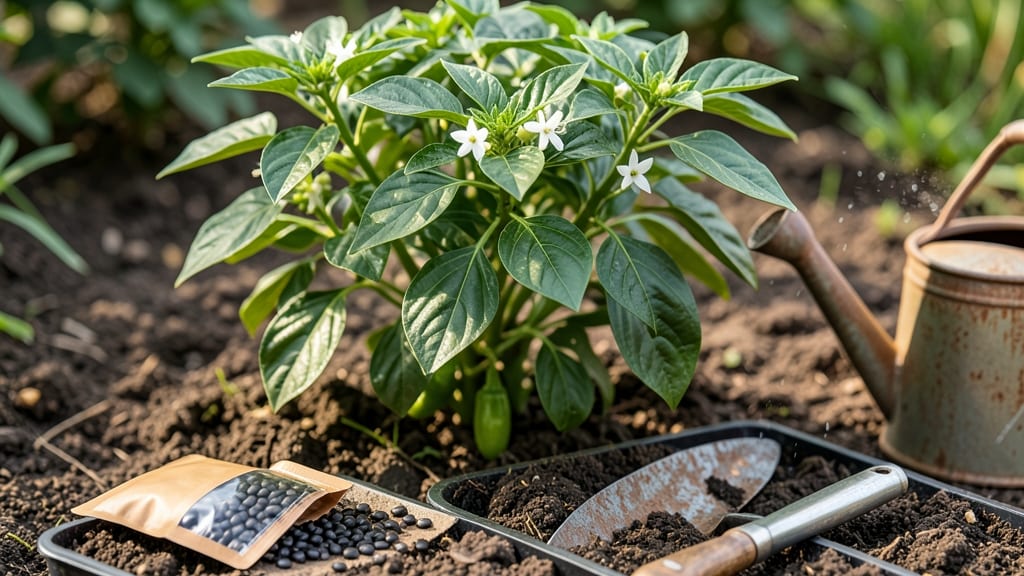
How to grow a black pepper plant from seed feels like nurturing a tiny tropical dream. 🌱 The first challenge is patience—these vines take years to bear fruit, but the journey is worth it. I’ve grown mine indoors for five seasons now, and the fragrant, glossy leaves alone make it rewarding.
Start with fresh seeds and a warm, humid environment—think 75-85°F soil temperatures and consistent moisture. Most beginners struggle with germination because they underestimate how tropical these plants truly are. A clear plastic bag over your pot creates that crucial humidity, and a heat mat speeds things up dramatically.
By month three, you’ll have a sturdy vine climbing its trellis, but don’t expect peppercorns for years. The real magic happens in the leaves—crush a few, and you’ll smell that unmistakable spice aroma right in your kitchen. This is where indoor growing shines, especially in cooler climates.
Outdoor growers in zones 10-12 can transplant theirs after establishing strong roots, but indoor vines stay productive indefinitely. The key is consistency: light, warmth, and humidity. Even a black thumb can coax these vines along with the right setup.
📚 In This Guide
- What you need
- Instructions
- Tips and common mistakes
- Wrapping up and next steps
What you need
- ● Black pepper seeds: 5–10 fresh, viable seeds (buy from a reputable supplier or harvest from a ripe peppercorn).
- ● Seed-starting mix: 1 small pot (4–6 inches deep) filled with a well-draining, sterile seedling mix (avoid garden soil—it’s too heavy!).
- ● Clear plastic dome or ziplock bag: To create a humid microclimate (or a humidity tent kit).
- ● Spray bottle: With water (avoid soaking—pepper seeds hate soggy soil!).
- ● Grow lights or sunny windowsill: A south-facing window (6+ hours of light daily) or a full-spectrum LED grow light (12–16 hours/day for seedlings).
- ○ Heat mat (optional but helpful): A seedling heat mat (70–85°F range) to speed up germination (pepper seeds love warmth!).
- ● Small pots or biodegradable seed pods: 3–4 inch pots for transplanting seedlings (use well-draining potting mix with perlite or coconut coir).
- ● Fertilizer: A balanced liquid fertilizer (10-10-10 or 20-20-20, diluted to half-strength) for early feeding.
- ● Trellis or sturdy support: A bamboo stake, wire trellis, or tomato cage (pepper vines grow 10–20 feet in the tropics—give them space!).
- ● Pruning shears: For trimming leggy growth and shaping the vine.
- ● A humidity tray (pepper seeds thrive in 70–80% humidity).
- ● pH test kit: Black pepper prefers slightly acidic soil (pH 6.0–6.5).
- ● Slow-release fertilizer pellets: Mix into soil for steady nutrition.
- ● Misting fan: Keeps leaves dry and prevents fungal issues.
- ● Garden journal: Track growth, watering, and flowering progress!
Step-by-step instructions for growing black pepper plants from seed
Here's how I transform tiny pepper seeds into thriving tropical vines that climb and produce.
🌱 Step 1: Soak and Plant Seeds for Optimal Germination
Black pepper seeds have a tough outer shell that benefits from a 24-hour soak in lukewarm water. Place seeds in a small bowl and cover completely—they'll sink to the bottom. This softens the seed coat and speeds up germination, which can take 2-4 weeks at room temperature. I use a mesh bag to keep seeds contained while soaking.
After soaking, prepare 4-inch diameter pots filled with a mix of 50% peat moss and 50% perlite. This lightweight blend prevents compaction while retaining enough moisture for delicate seedlings. Plant seeds ½ inch deep, spacing them 1 inch apart in each pot. Cover with a thin layer of the same mix and mist gently until the surface feels damp but not soggy.
💧 Step 2: Maintain Warmth and Humidity for Sprouting
Black pepper seeds need consistent warmth to germinate. Place pots in a location where temperatures stay between 75-85°F—a seedling heat mat works wonders if your home runs cooler. I cover the pots with clear plastic wrap to create a mini greenhouse effect, which keeps humidity high and prevents moisture loss. Check daily for condensation on the plastic; if it's dry, mist the soil lightly.
The first sign of germination is a tiny white root emerging from the seed. Once you see this, remove the plastic wrap immediately to prevent fungal growth. Seedlings will surface in 7-14 days, appearing as two small leaves (cotyledons) pushing through the soil. This is when you'll know your seeds have broken dormancy successfully.
☀️ Step 3: Provide Bright, Indirect Light and Gradual Acclimation
After germination, move seedlings to a location with bright, indirect light. A south-facing window works well, but avoid harsh direct sunlight, which can scorch tender leaves. If natural light is insufficient, supplement with a grow light positioned 6-8 inches above the plants for 12-14 hours daily. You'll notice seedlings growing toward the light—rotate pots weekly to encourage even growth.
When seedlings develop their third true leaf (the larger leaves after the initial cotyledons), it's time to transplant them into 6-inch pots. Use the same peat-perlite mix and plant each seedling at the same depth it was growing before. Water gently after transplanting to settle the soil around the roots. This step encourages stronger root development before the vines take off.
🪴 Step 4: Train Vines and Support Growth
Black pepper plants are vigorous climbers that need support to thrive. Once seedlings reach 6 inches tall, provide a small trellis, bamboo stake, or a simple string line for them to climb. Gently guide the main stem upward and tie it loosely to the support with soft twine. This prevents the vine from bending under its own weight and encourages upward growth.
As the vine climbs, new leaves will appear in a spiral pattern. Fertilize monthly with a balanced liquid fertilizer (10-10-10) diluted to half strength. You'll see the difference in leaf color and growth rate within a few weeks—healthy leaves are deep green and glossy. Prune any leggy growth or yellowing leaves to redirect energy to the main vine and emerging buds.
⏰ Step 5: Flower, Pollinate, and Harvest Peppercorns
Black pepper plants typically flower in their second or third year, producing small white flowers that transform into green berries. To encourage flowering, ensure the plant receives at least 6 hours of direct sunlight daily and maintain consistent moisture. I hand-pollinate flowers by gently shaking the vine to distribute pollen, which increases fruit set.
Green peppercorns turn red when ripe, usually in 6-8 months after flowering. Harvest by gently twisting the berries off the vine or cutting the entire cluster with scissors. For dried peppercorns, spread them on a tray in a warm, dry place for 2-3 weeks until they turn black and shatter easily. Store in an airtight container away from light to preserve flavor.
Tips & tricks for growing black pepper plants from seed
Real talk: Growing black pepper from seed isn't just about patience—it's about creating the perfect conditions from day one. Here's what nobody tells you about nurturing these tropical vines into productive plants.
Seed Soaking Strategy: Don't just soak those seeds—give them a proper bath. Use lukewarm water (not hot) and let them soak for the full 24 hours in a mesh bag to prevent them from floating away. The key is complete submersion—they'll sink to the bottom. After soaking, give them a quick rinse before planting to remove any residual water that could cause rot. I've found that pre-soaked seeds germinate within 7-14 days instead of the full 2-4 weeks range, especially when kept consistently warm.
Temperature Matters: Those 75-85°F temperatures aren't just suggestions—they're non-negotiable for germination. If your home runs cooler, invest in a seedling heat mat or place pots on top of your refrigerator (not inside). I've seen seeds fail to germinate in homes below 70°F—don't make my mistake. Once you see that first white root emerge, remove the plastic wrap immediately to prevent fungal growth. This is your cue that germination has begun, and now you're in the critical growth phase.
Lighting Secrets: The 12-14 hours of grow light isn't about duration alone—it's about intensity. Position your light 6-8 inches above the seedlings and use a full-spectrum bulb for best results. I notice seedlings growing toward the light, so I rotate my pots weekly to prevent lopsided growth. When you see the third true leaf appear, that's your signal to transplant to 6-inch pots. This timing ensures the roots have developed enough to handle the transition without shock.
Support System: Black pepper vines are heavy climbers, and once they reach 6 inches, they need proper support. I recommend a small trellis or bamboo stake for indoor plants—this prevents the vine from sprawling and encourages upward growth. Use soft twine to loosely tie the main stem, giving it room to grow. The spiral leaf pattern you'll see developing is actually a good sign—it means the plant is healthy and photosynthesizing efficiently. Prune any leggy growth immediately to redirect energy to the main vine where the flowers and fruit will develop.
Pro Tips for Grow Black Pepper Plant From Seed
- Real talk: Growing black pepper from seed isn't just about patience—it's about creating the perfect conditions from day one.
- Seed Soaking Strategy: Don't just soak those seeds—give them a proper bath.
- Temperature Matters: Those 75-85°F temperatures aren't just suggestions—they're non-negotiable for germination.
Frequently asked questions
Got questions about growing black pepper from seed? You’re not alone—this tropical vine has a few quirks! Here are answers to the most common concerns to help you succeed.
How long does it take for black pepper seeds to germinate?
Black pepper seeds can take anywhere from 3 to 6 weeks to germinate. Patience is key! Keep the soil consistently moist (but not soggy) and maintain warm temperatures (around 70–80°F (21–27°C)). A heat mat or sunny windowsill can speed things up. If nothing sprouts after 6 weeks, the seeds may need stratification (a cold treatment) or could be old.
When will my black pepper plant produce peppers?
Black pepper plants are slow growers—don’t expect peppers for at least 3 to 5 years! They need time to establish a strong vine, especially if grown indoors. Provide a sturdy trellis, high humidity (60–80%), and partial shade. In tropical climates, outdoor plants may fruit faster, but they still need 2–3 years of care before harvesting.
Can I grow black pepper indoors? What’s the best setup?
Yes! Black pepper thrives indoors with the right conditions: bright, indirect light (a south-facing window or grow lights), high humidity (use a pebble tray or humidifier), and warmth. A dwarf variety (like ‘Dwarf Pineapple’) is ideal for containers. Rotate the pot weekly for even growth, and fertilize lightly every 2 months with a balanced liquid fertilizer.
Why are my black pepper leaves turning yellow or dropping?
Yellowing leaves often signal overwatering or nutrient deficiencies. Let the top inch of soil dry out between waterings, and avoid soggy roots. Yellow edges? It could be low humidity or fluoride buildup from tap water (use filtered or rainwater). Dropping leaves may mean stress from temperature swings—keep it in a stable, warm spot (no drafts!).
Are there faster-growing alternatives to black pepper?
If you want peppery flavor faster, try these easy substitutes:
- Sichuan peppercorn: Grows quicker (1–2 years) and adds a citrusy kick.
- Long pepper (Piper longum): Related to black pepper but matures in 2–3 years.
- Herbs like peppermint or basil: Not peppery, but they grow fast and add zing to dishes!
Wrapping up and next steps
Growing black pepper from seed is a rewarding journey—one that brings the exotic flavors of the tropics right to your kitchen! With patience, the right conditions, and a little care, you’ll soon enjoy fresh, fragrant peppers and the satisfaction of nurturing a plant from scratch. 🌱✨
Now that you’re armed with the know-how, why not take the next step? Start with just one seed and watch your green thumb grow—literally! Share your progress with fellow plant enthusiasts or even gift a cutting to a friend. Happy growing!