
Size
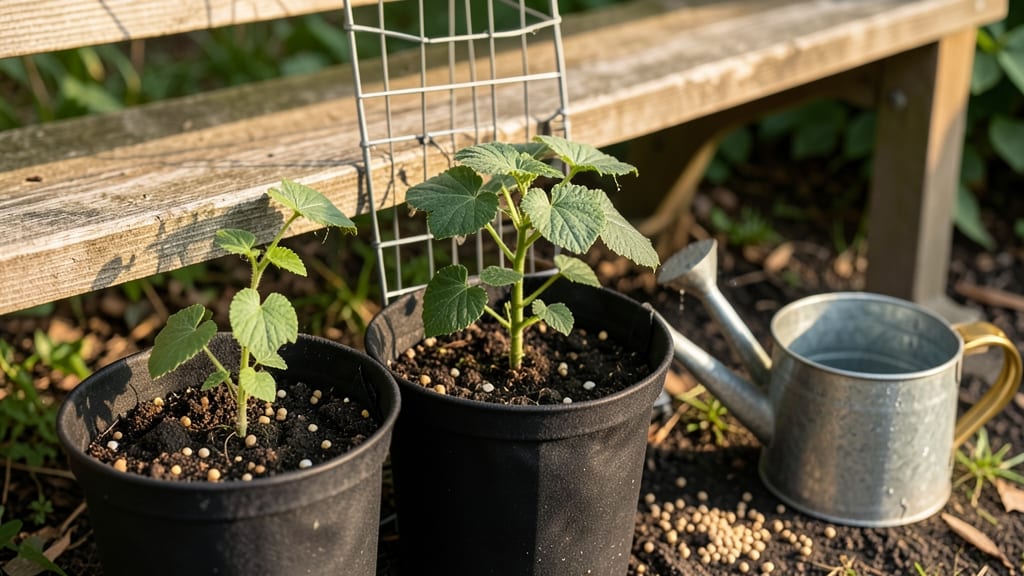
How to grow mini cucumbers in pots turns tiny balconies into harvest goldmines. 🌱 I’ve watched Bush Champion vines produce cucumbers in 5-gallon pots—no yard needed. The secret? Choosing the right variety and mimicking their natural climbing habits, even in containers. You’ll need a 5-gallon pot (minimum), well-draining soil, and a trellis or cage to keep vines organized. These compact varieties thrive with 6+ hours of sun daily and regular watering—think damp sponge, not soggy swamp. Prune aggressively to encourage bushier growth and more fruit. By midsummer, you’ll be snipping crisp, 4-inch cucumbers straight from your balcony. The flavor? Sweeter and more concentrated than store-bought. Plus, companion plants like basil or marigolds in the same pot deter pests naturally. Best part? No garden, no problem. These vines stay contained, produce prolifically, and fit on patios, fire escapes, or even sunny windowsills. Let’s get those seeds planted!
📚 In This Guide
- What you need
- Instructions
- Tips and common mistakes
- Wrapping up and next steps
What you need
- ● Container: 5-gallon pot or larger (minimum 12-inch diameter for 1 plant; 18-inch diameter for 2 plants). Ensure it has drainage holes.
- ● Potting Mix: High-quality, well-draining container mix (avoid garden soil—it compacts!). Look for blends labeled for vegetables or herbs.
- ● Mini Cucumber Seeds or Seedlings: Compact varieties like Bush Champion, Spacemaster, or Sweet Success (check seed packets for "bush" or "mini" labels).
- ● Start with 3–5 seeds per pot (thin to 1–2 strongest seedlings later).
- ● Fertilizer: Balanced, water-soluble fertilizer (e.g., 10-10-10 or 5-5-5) or organic options like compost tea or worm castings.
- ● Support System: Small cage (4–6 inches tall) or trellis (for vining varieties like Spacemaster).
- ● Watering Can or Hose with Nozzle: With a gentle spray setting to avoid disturbing soil.
- ○ Mulch (Optional but Helpful): Straw or shredded leaves to retain moisture and suppress weeds.
- ● Self-Watering System: A wick or reservoir to keep soil consistently moist (great for busy gardeners!).
- ● Grow Lights: If indoors or in low-light spots, use a full-spectrum LED grow light (12–16 hours/day).
- ● Plant Ties: Soft velcro or fabric strips to secure vines to supports.
- ● Soil pH Test Kit: To check and adjust pH to 6.0–6.8 (ideal for cucumbers).
- ● Pruning Shears: For trimming yellow leaves or excess vines to encourage fruit production.
Step-by-step instructions for growing mini cucumbers in containers
Compact cucumber varieties thrive in pots—here's how to grow them successfully with minimal space.
🌱 Step 1: Select the Right Varieties and Containers
Choose bush-type or mini cucumber varieties like 'Bush Champion,' 'Spacemaster,' or 'Sweet Success'—these stay compact and don't require trellising. Each plant needs a 5-gallon container minimum (larger pots yield more fruit). I use fabric grow bags because they prevent root circling and allow excess water to evaporate.
Ensure containers have multiple drainage holes—cucumbers rot quickly in soggy soil. If repurposing pots, drill extra holes along the sides. Place a 2-inch layer of gravel or broken pottery at the bottom before adding soil to improve drainage. This prevents waterlogged roots, which stunt growth and attract pests.
☀️ Step 2: Prepare Soil and Plant for Optimal Growth
Fill containers with a lightweight, well-draining potting mix enriched with compost or worm castings. Avoid garden soil—it compacts in pots and suffocates roots. I mix 50% potting mix, 30% compost, and 20% perlite for ideal aeration. Moisten the soil until it's damp but not dripping, then let it sit for 10 minutes to settle.
Plant seeds 1 inch deep after the last frost date when soil reaches 60°F. Sow 2-3 seeds per pot (you'll thin later) and space them 1 inch apart. Water gently after planting—don't oversaturate, or seeds may rot before sprouting. Place pots in a warm, sunny spot (6-8 hours of light daily) and cover with a clear plastic dome to retain moisture until germination.
💧 Step 3: Water and Fertilize for Consistent Harvests
Keep soil evenly moist but never soggy—cucumbers need 1-1.5 inches of water weekly, more in hot weather. Water at the base of the plant in the morning to reduce fungal risks. I use a drip irrigation system or watering can with a narrow spout to avoid wetting leaves, which causes powdery mildew. Let the top 1-2 inches of soil dry slightly between waterings to prevent root rot.
Fertilize every 2 weeks with a balanced liquid fertilizer (10-10-10) or fish emulsion for organic growth. Once flowers appear, switch to a low-nitrogen, high-phosphorus feed (5-10-10) to encourage fruiting. Over-fertilizing with nitrogen leads to leafy growth but few cucumbers—this is a common mistake with container plants.
✂️ Step 4: Prune and Support for Maximum Yield
Pinch off the first few flowers that appear to redirect energy to the main vine. This ensures stronger growth before harvest. Once the plant reaches 12 inches tall, prune side shoots (suckers) to focus energy on fruit production. Use clean pruning shears and cut just above a leaf node to avoid damaging the plant.
If your variety isn't self-bushing, install a small trellis or cage (3-4 feet tall) to support vines. This saves space and improves airflow, reducing disease. Harvest cucumbers when they're 4-6 inches long for best flavor—overripe fruit attracts pests and deters future blooms. Pick every 2-3 days to encourage continuous production.
🌿 Step 5: Monitor and Troubleshoot Common Issues
Watch for yellowing leaves, which signal overwatering or nutrient deficiency. Adjust watering immediately and apply Epsom salt (1 tablespoon per gallon of water) if magnesium levels are low. Powdery mildew appears as white spots on leaves—treat with neem oil or baking soda spray (1 teaspoon per quart of water) at the first sign.
Pests like aphids or cucumber beetles target container plants. Remove them by hand or spray with soapy water (1 tablespoon mild dish soap per quart of water). For bloom drop (flowers falling off), ensure the plant gets full sun and consistent water. If fruit develops but stays small, increase pot size or fertilizer—root-bound plants struggle to produce.
Tips & tricks for perfect mini cucumber containers
These pro-level insights will help you maximize your balcony harvest without common container-growing mistakes.
Container Size Matters: While the instructions specify a 5-gallon minimum, I've found that adding a 1-inch layer of expanded clay pebbles (instead of gravel) on top of your drainage layer creates extra root space without increasing pot size. This gives your plants room to grow even in the smallest containers, and the pebbles help regulate moisture levels between waterings. For larger pots, consider adding a second plant—just ensure each gets its own drainage system.
Soil Settling Secret: After filling your containers with the 50-30-20 mix of potting soil, compost, and perlite, let it settle for that full 10 minutes before planting. Then, press down gently to create a firm surface for your seeds. This prevents seed displacement when you water, which is especially important in shallow containers where seeds can easily wash away. I like to use a small board to press down evenly—it creates a perfect seed bed.
Germination Hack: The plastic dome you use to retain moisture during germination doubles as a mini greenhouse. Place your pots in a spot where they'll get indirect sunlight during this critical 6-8 hour daily window. If you notice condensation building up inside the dome, lift it for 10 minutes to prevent fungal growth. Once you see sprouts, remove the dome completely to avoid overheating the young plants. This simple adjustment prevents damping-off disease while keeping humidity high enough for successful germination.
Watering Wisdom: When checking soil moisture, stick your finger about 1 inch deep—this is where your cucumber roots will be seeking hydration. If the top 1-2 inches feel dry but deeper soil stays moist, that's perfect. For hot weather, increase your watering to 2 inches weekly, but always water at the base in the morning. I've found that adding a handful of coffee grounds to the soil mix boosts microbial activity, which helps roots access moisture more efficiently. Just be sure to use organic, pesticide-free grounds to avoid harming your plants.
Pro Tips for Grow Mini Cucumbers In Pots
- These pro-level insights will help you maximize your balcony harvest without common container-growing mistakes.
- This gives your plants room to grow even in the smallest containers, and the pebbles help regulate moisture levels between waterings.
- Soil Settling Secret: After filling your containers with the 50-30-20 mix of potting soil, compost, and perlite, let it settle for that full 10 minutes before planting.
Frequently asked questions
Got questions about growing mini cucumbers in pots? You’re not alone! Here are answers to the most common queries to help you crush your balcony harvest.
What’s the best pot size for mini cucumbers?
Mini cucumber varieties like ‘Bush Champion’ or ‘Spacemaster’ thrive in 5-gallon pots (12–15 inches deep). Smaller pots (3–5 gallons) work for bush types, but vining varieties need extra space for roots. Use pots with drainage holes to prevent soggy soil.
How long does it take for mini cucumbers to grow in pots?
From seed to harvest, expect 45–60 days for mini cucumbers. If starting with transplants, you’ll see fruit in 30–45 days. Warm soil (60°F+) and consistent watering speed up growth. Patience pays off—tiny cucumbers appear fast once vines establish!
Why aren’t my mini cucumbers growing in pots?
Common culprits: underwatering (soil should stay moist but not soggy), poor sunlight (6+ hours daily), or nutrient deficiencies. Use a balanced fertilizer (like 10-10-10) every 2–3 weeks. Yellow leaves? Check for overwatering or root-bound pots.
Can I grow mini cucumbers in hanging pots or vertical gardens?
Bush varieties like ‘Diva’ or ‘Sweet Success’ do well in hanging pots (3–5 gallons). For vining types, use a trellis or cage inside the pot to save space. Just ensure pots are sturdy—cucumbers can get heavy!
What if I don’t have a sunny spot—can I grow mini cucumbers indoors?
Yes, but you’ll need grow lights (12–16 hours/day) to mimic sunlight. Place pots near a south-facing window for partial light, but expect slower growth. Supplement with LED grow lights if natural light is limited. Indoor cucumbers may need more frequent fertilizing.
How do I prevent pests in potted mini cucumbers?
Keep pests at bay with neem oil (spray on leaves weekly) or row covers for aphids/spider mites. Ensure good airflow (space pots 12+ inches apart) and remove yellowed leaves. Companion planting with marigolds or basil deters bugs naturally.
Wrapping up and next steps
Growing mini cucumbers in pots is a rewarding way to enjoy fresh, homegrown produce—even with limited space! 🌱 With the right compact varieties, proper potting setup, and a little care, you’ll be harvesting crisp, bite-sized cucumbers in no time.
Whether you’re a beginner or a seasoned gardener, this method proves that big flavors don’t need big gardens.
Ready to take the next step? Start small—try one pot with your favorite variety, and soon you’ll be experimenting with flavors, containers, or even vertical gardening! 🌿 Your balcony (or windowsill) will thank you.