
Companion Plants
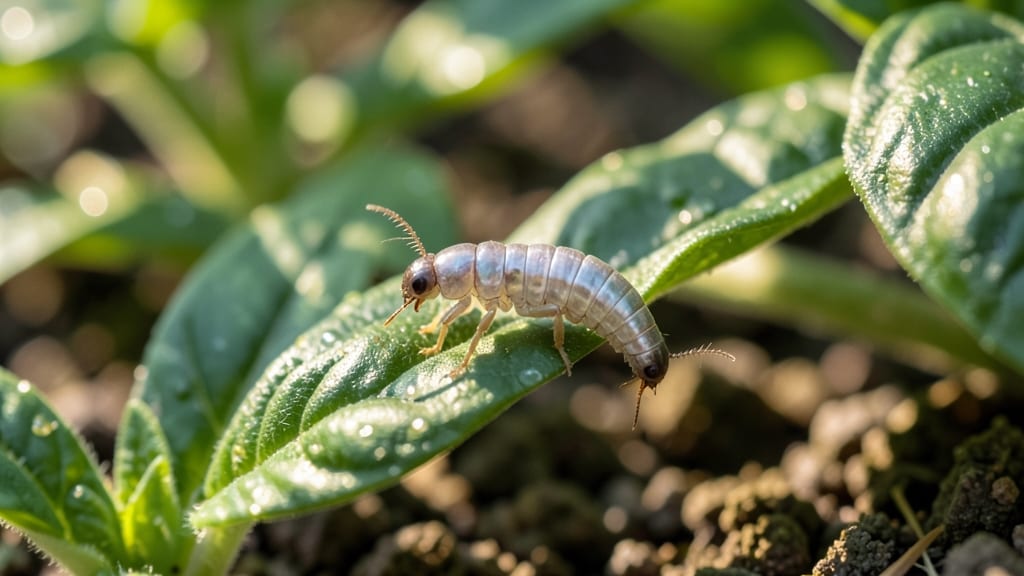
How to keep bugs off basil plants without chemicals is easier than you think—just like making the perfect pesto, but with fewer pests. 🌿 I’ve battled aphids, whiteflies, and spider mites turning my prized plants into skeleton leaves—until I discovered these foolproof organic barriers that work better than store-bought sprays. The secret isn’t complicated: companion plants (like marigolds or nasturtiums) confuse pests, neem oil sprays disrupt their life cycles, and row covers physically block them without harming your basil. No chemicals, no guesswork—just a stronger plant that pests avoid naturally. By week 2, you’ll see fewer sticky leaves and more vibrant growth. The plants stay productive for months, and you skip the panic of sudden infestations. Here’s how to set up defenses before bugs even show up. First, identify the culprit—aphids cluster on new growth, whiteflies flutter when you shake leaves, and spider mites leave tiny webs. Then, act fast: spray neem oil weekly, introduce ladybugs or lacewings, and mulch heavily to deter crawling pests. The goal? Make your basil less appealing than the surrounding plants. Long-term, healthy soil is your best weapon. Basil thrives in well-draining pots with balanced fertilizer, so pests have fewer reasons to attack. Rotate plants yearly to break pest cycles, and harvest regularly—stressed plants attract more bugs. Think of it as preventive medicine for your herb garden.
Root Causes of Basil Bugs
Basil plants may seem like the low-maintenance superstars of the herb garden—until pests show up uninvited. Understanding why these tiny troublemakers target your basil is the first step to kicking them out for good. Below, we break down the science behind the most common culprits and their motivations.
Basil thrives on sunlight, air circulation, and space—but when it’s crammed into tight quarters or struggling to access nutrients, it sends out distress signals that pests love. Here’s why:
- Weakened defenses: Stressed basil produces fewer volatile organic compounds (VOCs), like limonene and eugenol, which naturally repel insects. These compounds are what give basil its pungent aroma—and they’re also the reason many bugs avoid it when it’s healthy.
- Soft, tender leaves: When basil doesn’t get enough light or water, its leaves become thin and delicate, making them an easy snack for chewing insects like aphids or spider mites.
- Moisture buildup: Overwatered or poorly drained soil creates a damp environment, attracting fungus gnats and slugs, which are drawn to the high humidity and organic matter in soggy soil.
Actionable insight: Prune regularly to improve airflow, ensure pots have drainage holes, and space plants 8–12 inches apart. Healthy basil is less appealing to pests!
Some pests don’t just find basil—they’re drawn to it like a neon sign. Basil emits specific compounds that act as chemical invitations:
- Aphids and whiteflies: These sap-suckers are attracted to the high nitrogen content in young, fast-growing basil leaves. They also love the sticky honeydew produced by other pests already feeding on the plant.
- Spider mites: These tiny arachnids thrive in dry, dusty conditions and are lured by the waxy coating on basil leaves, which traps moisture and provides a cozy hideout.
- Fungus gnats: Their larvae feed on decaying organic matter in moist soil, while adult gnats are drawn to the fermentation smells of overwatered or compost-rich soil.
Actionable insight: Balance nitrogen with phosphorus/potassium fertilizers, avoid overhead watering, and let the top inch of soil dry out between waterings to disrupt their life cycles.
Basil isn’t picky about neighbors—but some plants attract pests that then target your basil. For example:
| Attracting Plant | Pest It Draws | How It Affects Basil |
|---|---|---|
| Marigolds (if diseased) | Whiteflies | Whiteflies jump from marigolds to basil, weakening the plant with their saliva. |
| Tomatoes | Aphids, hornworms | Hornworms defoliate tomatoes and may wander to basil; aphids spread from tomato leaves. |
| Weeds (e.g., lamb’s quarters) | Cabbage worms, slugs | Weeds harbor pests that later migrate to basil, especially in late summer. |
Actionable insight: Plant basil near repellent companions like rosemary, thyme, or nasturtiums (which trap aphids). Avoid placing it next to brassicas or nightshades unless you’re monitoring pest activity closely.
Temperature, humidity, and even seasonal shifts can turn your basil into a pest buffet. Here’s how:
- High heat (above 90°F): Basil bolts (flows to seed) quickly, producing bitter, stressed leaves that attract Japanese beetles and stink bugs, which target stressed vegetation.
- Low humidity: Dry air weakens basil’s natural defenses and makes it more susceptible to spider mites, which thrive in arid conditions.
- Late-season stress: As summer winds down, basil’s growth slows, making it less competitive against pests like slugs and earwigs, which become more active in cooler, damp evenings.
Actionable insight: Use shade cloth in peak summer, mulch to retain moisture, and harvest regularly to encourage new growth. In fall, add row covers or beer traps for slugs.
Pro tip: 💡 Keep a pest journal! Note when bugs appear, the weather, and what you’ve planted nearby. Patterns will reveal your basil’s biggest vulnerabilities—and how to outsmart them.
How to solve it
Basil plants may be resilient, but they’re not invincible. When pests strike, acting fast with the right strategies can save your harvest—and your sanity. Below, we’ve mapped out targeted solutions for the most common basil bugs, along with preventive measures to keep them from returning.
These methods are natural, budget-friendly, and easy to implement, whether you’re a backyard gardener or a container-plant enthusiast.
Cause: These sap-sucking bugs cluster on new growth, leaving sticky residue (honeydew) that attracts mold.
Fix:
- 💦 Blast them off with a sharp stream of water from a hose (early morning works best). Repeat every 2–3 days until gone.
- 🌿 Introduce predators: Ladybugs, lacewings, and parasitic wasps (like Aphidius colemani) love aphids. Buy them online or attract them with neighborhood-friendly plants like dill or fennel.
- 🧴 Soap it up: Mix 1 tbsp mild castile soap or neem oil with 1 quart water, spray directly on bugs (avoid hot sun to prevent leaf burn). Reapply after rain.
💡 Prevention:
- Plant marigolds or garlic nearby—their strong scents repel aphids.
- Prune basil regularly to reduce crowded, aphid-friendly foliage.
- Check undersides of leaves weekly (aphids hide there!).
Cause: These tiny white moths swarm basil, weakening plants with their feeding and spreading viruses.
Fix:
- 🕯️ Yellow sticky traps: Hang yellow cards coated with petroleum jelly near plants to trap adults. Replace weekly.
- 🌿 Neem oil spray: Mix 2 tbsp neem oil + 1 tsp horticultural oil + 1 tsp dish soap in 1 gallon water. Spray undersides of leaves at dusk (they’re less active then). Repeat every 5–7 days.
- 🔥 Isolate and wipe: Severely infested plants? Snip affected leaves and wipe them with rubbing alcohol (70%+) to kill eggs.
💡 Prevention:
- Space basil plants 12+ inches apart for airflow (whiteflies thrive in humidity).
- Use reflective mulch (like aluminum foil) around pots to disorient flying adults.
- Avoid over-fertilizing with nitrogen (soft new growth attracts them).
Cause: These arachnids spin webs on basil, causing stippled leaves and stunted growth—especially in dry, hot conditions.
Fix:
- 💦 Increase humidity: Spider mites hate moisture. Mist basil daily or place a tray of water near plants. Group pots together to create a microclimate.
- 🌿 Predatory mites: Release Phytoseiulus persimilis (sold online) to hunt spider mites naturally.
- 🧼 Oil spray: Mix 1 tbsp mineral oil + 1 tsp dish soap in 1 quart water. Spray leaves thoroughly (they hide on the undersides). Reapply every 4 days.
💡 Prevention:
- Install a fine mesh screen over containers to block mites from hitchhiking on wind.
- Rotate basil pots regularly to ensure even sunlight (mites love shaded, dry spots).
- Dust leaves with diatomaceous earth (food-grade) to dehydrate mites (reapply after rain).
Cause: These pale green caterpillars (larvae of cabbage butterflies) devour basil leaves, leaving ragged holes.
Fix:
- 🔪 Handpick and drop: Check leaves daily. Drop worms into soapy water (they drown instantly). Do this in the morning when they’re sluggish.
- 🌿 Bt spray: Use Bacillus thuringiensis var. kurstaki (Btk), a natural bacteria that kills caterpillars but is safe for humans/pets. Spray every 3–5 days.
- 🧶 Row covers: Drape lightweight floating row fabric over basil until worms mature into butterflies (then remove to allow pollinators).
💡 Prevention:
- Plant basil near strong-smelling herbs like thyme or rosemary to mask cabbage moth attractants.
- Remove nearby brassicas (cabbage, broccoli) that host moths.
- Interplant with nasturtiums—cabbage worms prefer them over basil!
Some bugs are drawn to stressed plants. Keep your basil thriving with these proactive habits:
| Do This | Why It Helps |
|---|---|
| 💧 Water at the base (not overhead) | Reduces fungal diseases that attract pests like aphids. |
| ☀️ Provide 6+ hours of sunlight daily | Healthy basil grows faster, outpacing pest damage. |
| 🌿 Prune regularly (pinch off flowers) | Encourages bushier growth and deters pests that target weak stems. |
| 🔄 Rotate pots every few weeks | Prevents soil-borne pests and ensures even growth. |
💡 Bonus Tip: If bugs persist, replace the top 2 inches of soil—pests often lurk in old, nutrient-depleted dirt.
Frequently asked questions
Can I use essential oils to repel bugs from basil?
Yes! Essential oils like peppermint, rosemary, or citrus are excellent natural repellents. Mix 10 drops of oil with 1 cup of water and 1 teaspoon of dish soap, then spray on leaves (avoid direct sunlight). Reapply every 3-4 days. Basil loves rosemary as a companion plant too—win-win!
How often should I check my basil for pests?
Inspect your basil 2-3 times per week, focusing on leaf undersides where pests hide. Early detection is key—catching aphids or spider mites before they spread makes treatment much easier. Morning checks work best when bugs are sluggish.
Will companion planting alone keep bugs away?
Companion planting helps, but it's most effective when combined with other methods. While marigolds and nasturtiums deter many pests, you'll still need to monitor for occasional visitors. Think of it as a first line of defense—like wearing armor but still keeping a shield handy.
What's the fastest way to fix an existing infestation?
For immediate results, combine neem oil spray (mixed with water and soap) with handpicking pests in the morning. Spray at dusk when bugs are less active, and repeat every 5 days until the problem clears. Add reflective mulch to disorient flying pests. Speed matters—act within 48 hours for best results.
Can I reuse neem oil spray?
No, always make fresh neem oil spray. The oils break down quickly when exposed to air and light. Mix fresh batches every 5-7 days for maximum effectiveness. Store unused portions in a dark bottle in the fridge for up to 2 weeks, but shake well before each use.