
Pests
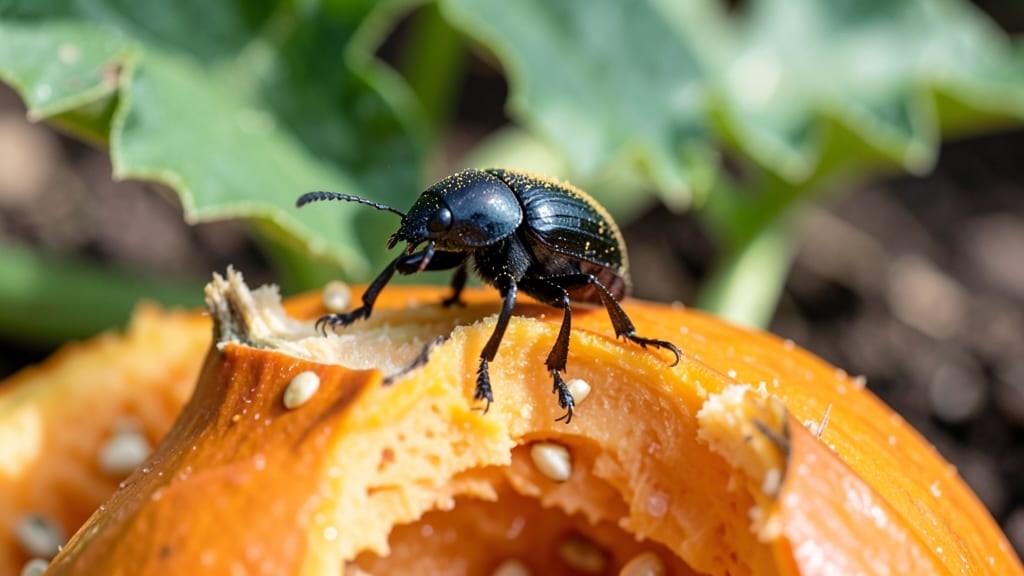
This Halloween horror show happens every year—how to keep bugs off carved pumpkins like a zombie apocalypse. 🌿 I’ve lost count of the jack-o’-lanterns ruined by fruit flies, mold, or beetles, but this citrus-cinnamon shield changed everything.
The secret? A natural barrier that repels pests while keeping your pumpkin looking fresh for weeks.
Most people grab store-bought sprays, but those can harm kids and pets. Instead, I use a simple spray mix of citrus peel tea, cinnamon oil, and a splash of vinegar—all ingredients you likely already have.
The scent confuses bugs, and the cinnamon acts like a natural preservative. No chemicals, no fuss, just a pumpkin that stays bug-free through trick-or-treat night.
By the end, your pumpkin won’t just survive—it’ll shine. No more last-minute trips to the store for a replacement, no more sad, wilted jack-o’-lanterns by Halloween weekend. The best part? This method works for both carved and uncarved pumpkins, so you can use it for centerpieces too.
Works in any climate, safe for pets, and takes less than 10 minutes to prep. Here’s how to make it happen without the bug battle.
The Hidden Attractants Luring Bugs
Carved pumpkins may look like festive centerpieces, but to insects, they’re all-you-can-eat buffets. Understanding why bugs flock to your Halloween masterpiece is the first step to outsmarting them. Here’s the science behind their infatuation—and how to break the spell.
Pumpkins are essentially giant, edible sugar bombs. When you carve one, you expose its high-sugar pulp and starchy flesh, which releases volatile organic compounds (VOCs) into the air. These sweet, fermenting aromas act like invisible neon signs to:
- Fruit flies (Drosophila): Drawn to fermenting sugars, they mistake carved pumpkins for overripe fruit.
- Ants (Solenopsis spp.): Their antennae detect traces of glucose and fructose, triggering a foraging frenzy.
- Beetles (e.g., carpet beetles): Their larvae feed on decaying plant matter, and exposed pumpkin flesh mimics a rotting food source.
Actionable insight: The longer pulp sits exposed, the stronger the scent—and the bigger the bug banquet. Pro tip: Remove all innards immediately after carving to starve the signal.
Carved pumpkins lose moisture rapidly, creating the perfect conditions for bacterial and fungal growth. As the flesh dries, it forms a sticky, sugary residue that:
- Attracts fungus gnats (Sciaridae): Their larvae thrive in damp, decaying organic matter.
- Encourages mold spores: Visible mold (like Penicillium) releases spores that irritate lungs and lure mold-loving insects like drain flies.
- Creates a glue trap: Sticky residues from dried sap or juice trap small insects like psocids (booklice), which feed on mold and debris.
Science deep dive: The glycerol and sorbitol in pumpkin flesh act as humectants, retaining moisture longer than you’d expect. Pro tip: Pat dry the carved edges with a paper towel and apply a thin layer of food-grade mineral oil to seal pores and slow decay.
Your pumpkin isn’t just food—it’s a light and heat beacon for nocturnal pests. Here’s how:
| Pest | Why They’re Drawn | Scientific Trigger |
|---|---|---|
| Moths (e.g., Indian meal moth) | Lured by warm, glowing pumpkins | Positive phototaxis (attraction to light sources) + heat radiating from candles/LEDs |
| Spiders (e.g., cellar spiders) | Use pumpkins as hunting perches near bug hotspots | Thermoreception: Warm surfaces attract prey |
| Wasps (e.g., paper wasps) | Investigate heat and movement | Infrared detection of body heat from nearby humans/pets |
Key takeaway: If your pumpkin is lit from inside, it’s broadcasting a double threat: a food scent and a heat signature. Pro tip: Use battery-operated LED tea lights (cooler than candles) and place pumpkins in shaded areas to reduce heat attraction.
Insects communicate through pheromones and kairomones—chemical signals that scream, “Free food here!” When you carve a pumpkin, you disrupt its natural cuticle barrier, releasing:
- Volatile fatty acids: Smell like vinegar to us but act as a feeding cue for flies and beetles.
- Terpenes: Natural compounds in pumpkin skin that some insects (like stink bugs) mistake for host plants.
- Ammonia-like compounds: As flesh decomposes, these attract carion-feeding insects like blowflies.
Fun fact: Female insects often lay eggs in decaying matter because it ensures food for their larvae. Pro tip: Spray the carved edges with a 1:1 water-vinegar solution to neutralize odors and mask chemical cues.
Quick Fixes for Bug-Free Pumpkins
Now that you know why bugs invade your carved pumpkins, let’s tackle how to stop them—fast and effectively. Below are targeted solutions based on the most common causes, from quick fixes to long-term prevention. Each method is designed to be easy, budget-friendly, and foolproof for Halloween season.
Fix: Mask the scent with citrus and cinnamon (nature’s bug repellent).
- Step 1: Mix 1 part orange juice or lemon juice with 1 part water in a spray bottle.
- Step 2: Add 1 tsp ground cinnamon (or a few drops of cinnamon essential oil) for extra power.
- Step 3: Lightly mist the inside and outside of your pumpkin—especially the carved sections where bugs love to hide.
- Step 4: Reapply every 2–3 days or after rain.
💡 Pro Tip: Use peels from citrus fruits (orange, lemon, lime) and place them inside the pumpkin for a natural, slow-release scent barrier.
Fix: Keep the pumpkin dry and well-ventilated.
- Step 1: Pat dry any excess moisture from the carved areas with a paper towel.
- Step 2: Poke small drainage holes (¼-inch wide) at the bottom if your pumpkin sits in a bowl or dish.
- Step 3: Store it in a cool, shaded spot (not direct sunlight) to prevent sweating.
- Step 4: Sprinkle a pinch of baking soda inside the pumpkin to absorb odors and moisture.
⚠️ Warning: Avoid placing pumpkins near standing water (like a fountain display) or in humid areas (like a garage).
Fix: Seal the pumpkin like a fortress with food-safe barriers.
- Option 1: Clear Sealant Spray
- Use Mod Podge Matte or Krylon UV-Resistant Clear Coat on the carved edges.
- Let dry completely (24 hours) before displaying.
- Option 2: Petroleum Jelly Barrier
- Rub a thin layer of Vaseline on the inside edges—bugs hate crossing greasy surfaces.
- Option 3: Paraffin Wax Drip
- Melt white paraffin wax (candle-making wax) and drizzle a thin layer along the carved lines. Let harden.
🎯 Best Practice: If using battery-operated lights, ensure they’re LED and cool-running—heat attracts bugs!
Fix: Remove the innards completely—don’t leave any pulp behind!
- Step 1: Scoop out all seeds and stringy flesh with a spoon or ice cream scoop.
- Step 2: Rinse the cavity with hot water to kill lingering eggs.
- Step 3: Let dry thoroughly (overnight) before sealing.
- Step 4: Stuff with dry catnip, cedar chips, or dried lavender (natural repellents).
🔥 Hot Tip: If your pumpkin starts smelling funky, it’s already too late—replace it rather than risking a bug infestation.
Fix: Create a bug-proof display zone.
- Step 1: Place pumpkins on a tray with diatomaceous earth (food-grade) around the base—bugs avoid crossing it.
- Step 2: Use yellow sticky traps (far from kids/pets) to catch early invaders.
- Step 3: Elevate pumpkins on a rack or shelf (6+ inches off the ground) to deter crawling pests.
- Step 4: Rotate displays every few days to confuse bugs searching for food sources.
✨ Bonus: Hang marigold or lavender sachets nearby—their scent confuses flying insects.
To keep your pumpkins bug-free all season, follow this weekly maintenance routine:
| Task | How Often | Why It Works |
|---|---|---|
| Wipe down with vinegar spray (1:1 water) | Every 3 days | Disrupts scent trails bugs follow. |
| Reapply citrus-cinnamon mix | Every 2 days | Masks sweet smells. |
| Check for holes or cracks | Daily | Pests exploit weak spots. |
| Store in a cool, dry place at night | Always | Slows decay and deters moisture-loving bugs. |
Final Thought: The key is acting fast—bugs move in within 24–48 hours of carving. With these simple, science-backed fixes, your pumpkins will stay fresh, spooky, and pest-free until Halloween! 🎃🔥
Frequently asked questions
Can I use essential oils instead of citrus juice?
Mix 5 drops of lemon or orange essential oil with 1 cup water and 1 teaspoon vodka (as an emulsifier). Spray lightly on carved areas—just avoid direct contact with pets. The alcohol helps disperse the oils better than water alone.
How long will these methods keep pumpkins fresh?
With proper sealing and daily maintenance (spraying every 2-3 days), treated pumpkins stay fresh for 2-3 weeks. For longer displays, use LED lights (not candles) and store them in a cool, dry place overnight. The citrus-cinnamon mix works best in dry climates.
What if my pumpkin already has bugs inside?
Don't panic! First, remove all visible bugs with a spoon or vacuum. Then rinse the cavity with hot, soapy water and let dry completely. For stubborn cases, sprinkle food-grade diatomaceous earth inside before sealing. Replace the pumpkin if you see mold or excessive decay.
Are these methods safe for pets?
Most are! The citrus-cinnamon spray is pet-safe when used moderately, but avoid tea tree or eucalyptus oils—they're toxic. For extra caution, place pumpkins on elevated surfaces where pets can't reach them. Always test new products in a small area first.
Can I use this on uncarved pumpkins too?
Yes! For whole pumpkins, simply scrub the surface with a vinegar-water mix (1:1 ratio) and let dry. The same citrus-cinnamon spray works well on the exterior. This prevents both pests and rot—perfect for decorative pumpkins that won't be carved.