
Blooming
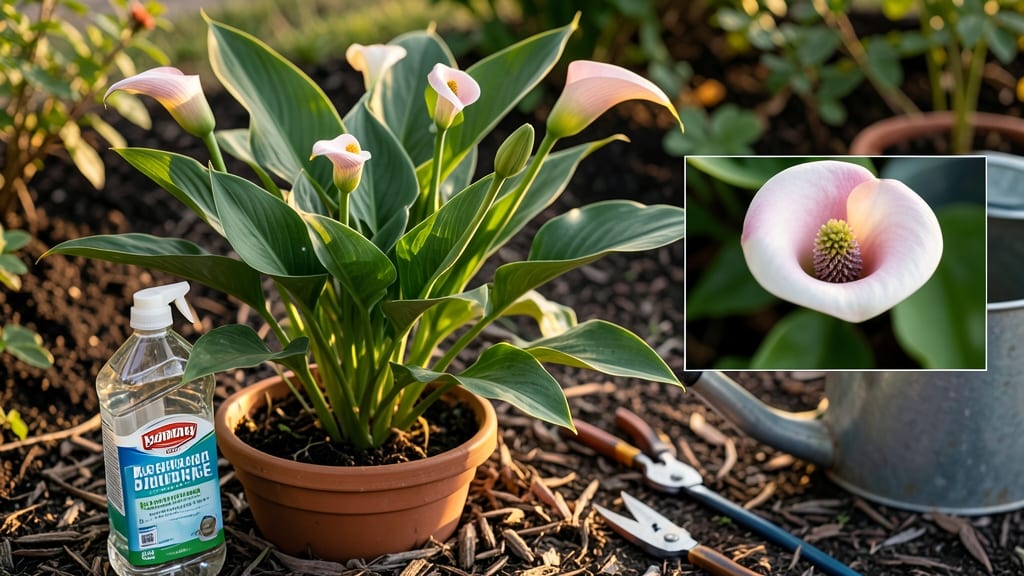
How to keep calla lilies blooming nonstop—if you know the secret. 🌿 The difference between a single flush of flowers and year-round color often comes down to three critical factors: light, feeding, and pruning. I’ve had calla lilies that looked great but refused to bloom, until I adjusted these basics. Most gardeners overlook the soil’s role—calla lilies demand rich, moist, and slightly acidic conditions. A simple mix of compost and peat moss works wonders, paired with regular feeding every 4-6 weeks during growing season. The blooms respond instantly when the roots get what they need. Once you master the basics, pruning becomes your secret weapon. After each bloom cycle, snip spent stems back to the base, but leave the foliage—it’s what fuels next year’s flowers. I’ve seen calla lilies rebound with fresh growth within 2-3 weeks of proper pruning. This method works for both outdoor beds and container growing, whether you’re in a warm climate or extending the season with pots. Let’s turn those sparse stalks into a lush, blooming display.
📚 In This Guide
- What you need
- Instructions
- Tips and common mistakes
- Wrapping up and next steps
What you need
- ● Calla lilies (Zantedeschia spp.) – Choose healthy tubers or potted plants (1-3 per container, depending on size).
- ● Well-draining potting mix – 5-10 gallons (for containers) or amended garden soil (for in-ground planting). Mix in perlite or sand (20-30%) for aeration.
- ● Containers or garden bed – Pots: 12"+ diameter (for single tubers); garden beds: full sun to partial shade (6+ hours light).
- ● Slow-release fertilizer – Balanced (10-10-10) or high-phosphorus (5-10-5) for blooms. Apply at planting (1 tbsp per gallon of soil).
- ● Watering can or hose with gentle spray – Avoid soggy roots (water at soil level, not leaves).
- ● Pruning shears or sharp scissors – Sterilized with rubbing alcohol (70% or higher).
- ○ Mulch (optional but helpful) – 2-3 inches of organic mulch (straw or shredded bark) to retain moisture and regulate temperature.
- ● pH testing kit – Aim for 6.0–6.5 (callas thrive in slightly acidic soil). Adjust with sulfur or lime if needed.
- ● Hand trowel or transplant spade – For dividing tubers or repotting.
- ● Pollination brush or cotton swab – To manually transfer pollen for seed production (if growing from seed).
- ● Grow lights (LED, full-spectrum) – For indoor callas needing 12+ hours of light/day.
- ● Compost or worm castings – Boosts soil fertility (mix 10% into potting soil).
- ● Fungicide (copper-based or neem oil) – Preemptive treatment for powdery mildew or bacterial spots.
Tips & tricks for perfect year-round calla lily blooms
These simple strategies will help you maintain vibrant calla lilies that keep flowering season after season.
Pruning Precision: When you're ready to prune in Step 1, make sure your pruners are sharp and clean. I've learned the hard way that dull blades can crush stems, inviting bacterial infections. After cutting, examine the cut surface—it should look clean and white, not ragged. This clean cut promotes faster healing and directs energy to new growth rather than struggling with damaged tissue.
Light Rotation Strategy: The weekly quarter-turn rotation mentioned in Step 2 is crucial for even growth. I set a reminder on my phone to rotate my pots every Sunday morning. This prevents the plant from leaning toward the light source, which can make stems weak and reduce bloom quality. If you notice leaves turning pale or stretching, it's a sign your plant needs more even light exposure.
Fertilizer Timing: The 4-6 week feeding schedule in Step 3 works wonders, but timing matters. I always fertilize right after watering to prevent root burn. If you notice new growth slowing down or leaves developing brown tips, it's a clear sign you've overdone it. In that case, flush the soil with plain water for a couple of weeks to reset the plant's system.
Winter Care Transition: When you move your calla lilies indoors for winter in Step 5, don't be tempted to keep them in the same bright spot you used during summer. Reduce light exposure slightly and choose a cooler location. This gradual transition helps prevent shock and allows the plant to enter dormancy naturally. I've seen plants struggle when kept too bright and warm during winter months.
Pro Tips for Keep Calla Lilies Blooming
- These simple strategies will help you maintain vibrant calla lilies that keep flowering season after season.
- Pruning Precision: When you're ready to prune in Step 1, make sure your pruners are sharp and clean.
- Light Rotation Strategy: The weekly quarter-turn rotation mentioned in Step 2 is crucial for even growth.
Frequently asked questions
about keeping calla lilies blooming—because even the pros need a little extra guidance! Here are answers to the most common queries to help you troubleshoot and thrive.Why are my calla lilies not blooming at all?
If your calla lilies are staying lush but flower-free, it’s often due to light deprivation or overcrowded roots. Ensure they get 6+ hours of bright, indirect sunlight daily and divide clumps every 3–4 years to refresh growth. Also, check for nutrient deficiencies—a balanced fertilizer (high in phosphorus) in spring can kickstart blooms!
How long does it take for calla lilies to rebloom after pruning?
After pruning in early spring, expect 6–12 weeks for new growth and blooms, depending on your climate. Tropical varieties (like Calla palustris) may rebloom faster in warm conditions, while hardy types (e.g., Zantedeschia aethiopica) might take longer. Patience is key! Keep soil moist and fertilize lightly to encourage speedy recovery.
Can I keep calla lilies blooming indoors year-round?
Yes, but it requires artificial light (grow lights) and consistent care. Place them near a south-facing window and supplement with 12–14 hours of light daily. Use a well-draining potting mix and fertilize monthly with a bloom booster. Note: Indoor callas may bloom less prolifically than outdoor ones, but they’ll still reward you with stunning foliage!
What pests or diseases should I watch for to prevent bloom loss?
Watch for aphids, spider mites, or fungal issues (like root rot or leaf spot). Prevent pests with neem oil sprays and ensure proper drainage to avoid soggy roots. If leaves yellow or wilt, trim affected areas and repot if needed. Early action = more blooms!
Are there any quick fixes for calla lilies that bloom but then stop?
If blooms appear but fizzle out, try these fixes:
- Deadhead spent blooms to redirect energy to new flowers.
- Boost phosphorus with a bloom-boosting fertilizer (like 10-30-20).
- Check watering: Overwatering stresses roots, while underwatering stunts growth.
- Move to a brighter spot if blooms are sparse (even partial shade can limit flowers).
Wrapping up and next steps
Keeping your calla lilies blooming year-round is all about consistent care, smart pruning, and a little patience! 🌸 From deadheading spent blooms to ensuring proper light, soil, and hydration, these simple steps will reward you with stunning, long-lasting flowers.
Remember, even the most experienced gardeners face challenges—so don’t hesitate to adjust your approach based on what works best for your plants.
Now that you’re armed with the secrets, roll up your sleeves and give your calla lilies the love they deserve. Start by picking one tip to implement this week—whether it’s adjusting sunlight or fertilizing—and watch your garden transform! 🌿