
Container Gardens
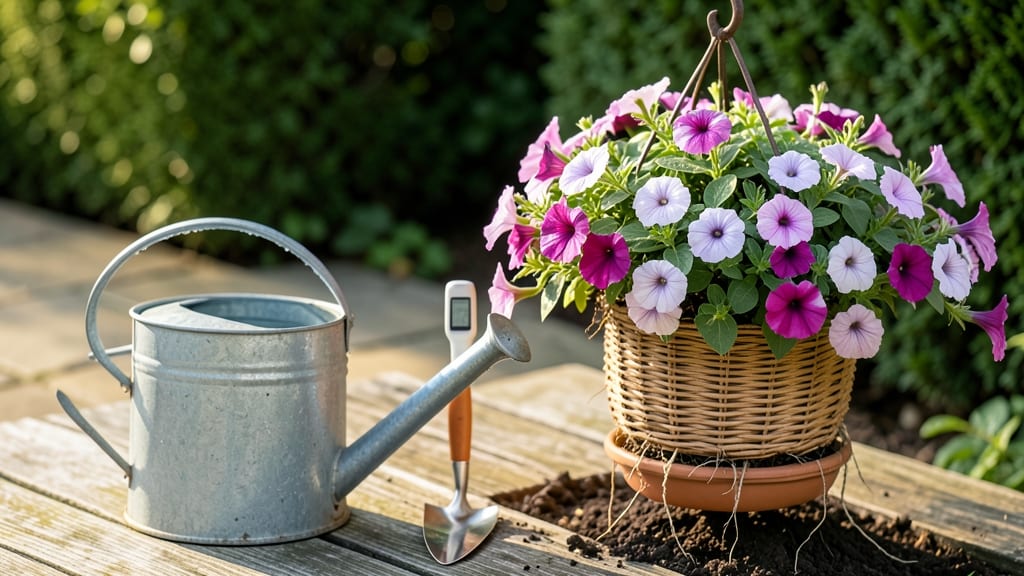
How to keep hanging baskets alive—summer and winter—is totally doable. 🌱 I've nursed back more basket plants than I can count, and the secret isn't complicated: it's about water, air, and timing. Most people overwater or underestimate how quickly roots need fresh air, and that's when plants start to sag or brown around the edges.
The first rule is drainage holes—they're non-negotiable. Without them, roots drown in a week. Next, use lightweight potting mix designed for containers, and water only when the top inch feels dry. Overwatering kills more baskets than pests ever will, and it's easy to fix with the right routine.
By adjusting care for seasons—more frequent watering in summer, less in winter—your baskets will stay lush and productive for years. I've kept mine thriving through three winters now, and the key is watching, not guessing. The payoff? Baskets that bloom all season, not just for a few weeks.
Even small spaces work—balconies, patios, or windowsills—because baskets adapt. Let's troubleshoot the most common failures and keep your greenery alive, no matter the weather.
📚 In This Guide
- What you need
- Instructions
- Tips and common mistakes
- Wrapping up and next steps
What you need
- ● Hanging baskets: 1-3 baskets (depending on your space), preferably with drainage holes and sturdy hanging hardware (e.g., chains or wires). Choose 12-16 inches in diameter for optimal plant growth.
- ● Potting soil: 1 bag of lightweight, well-draining potting mix (avoid garden soil—it compacts!). Look for blends labeled for container gardens or hanging baskets.
- ● Plants: 3-5 plants per basket (depending on size). Opt for trailing varieties like petunias, fuchsias, or ivy, or compact plants like geraniums or succulents.
- ● Watering can or hose with a gentle spray nozzle: 1 (for precision watering—no soggy roots!).
- ● Fertilizer: 1 bottle of balanced liquid fertilizer (10-10-10 or 20-20-20) or slow-release granules for containers.
- ○ Mulch (optional but helpful): 1 bag of organic mulch (e.g., pine bark or coconut coir) to retain moisture and suppress weeds.
- ● Pruning shears: 1 pair (for trimming dead or overgrown foliage).
- ● Gloves: 1 pair (to protect your hands from thorns or soil).
- ● Support stakes or rings: 1-2 (for plants that need extra structure, like tall fuchsias).
- ○ Self-watering system: 1 (optional but lifesaver for vacations—look for wicking baskets or self-watering inserts).
- ● Decorative elements: 1-2 (e.g., moss, pebbles, or decorative liners for a polished look).
How to keep hanging baskets alive: simple year-round care routine
Your baskets will thrive with these five easy secrets—no green thumb required.
🪴 Step 1: Select the Right Basket and Soil Mix
Start with a basket that has proper drainage holes—this is non-negotiable. I recommend using a lightweight, breathable material like coconut fiber or plastic with built-in drainage. The soil mix should be specifically formulated for hanging baskets, as it needs to retain moisture while allowing excess water to escape. A blend of 50% peat or coco coir, 30% perlite, and 20% compost works wonders. Fill the basket about ¾ full—leaving room for roots to expand and water to drain freely.
Don’t use regular garden soil; it compacts too easily and suffocates roots. Instead, press the mix lightly into the basket to create a stable base. This ensures your plants have enough support without restricting airflow. If you’re using a pre-mixed hanging basket soil, skip the blending—just follow the manufacturer’s instructions for moisture retention.
💧 Step 2: Water Deeply and Consistently
Hanging baskets dry out faster than ground-level planters, so watering is your top priority. Check the soil daily during warm months—if the top ½ inch feels dry, it’s time to water. Use a gentle stream from the top, allowing water to soak through completely. Let excess water drain out of the holes, but avoid leaving baskets sitting in saucers of standing water. Overwatering is the #1 killer of hanging baskets, so always err on the side of slightly drier rather than soggy.
For best results, water in the early morning. This gives plants time to absorb moisture before the heat of the day. If your baskets are in a shady spot, you can water every 2-3 days. In full sun, you may need to water daily—especially during heatwaves. A simple trick: Weigh your basket before and after watering. If it’s 10% lighter the next day, it’s time to hydrate again.
☀️ Step 3: Position Baskets for Optimal Light and Airflow
Most hanging baskets thrive in bright, indirect light—think 4-6 hours of morning sun with afternoon shade. If your baskets are in full sun, choose heat-tolerant plants like petunias, geraniums, or trailing lobelia. For shadier spots, opt for impatiens, ferns, or begonias. Avoid placing baskets where they’ll be blocked by walls or large plants, as poor airflow encourages fungal diseases like powdery mildew.
Rotate your baskets every 2-3 weeks so all sides get even light exposure. This prevents plants from leaning toward the sun and keeps growth balanced. If you notice yellowing leaves or leggy stems, your baskets need more light. Conversely, if leaves look burnt or crispy, they’re getting too much direct sun—move them to a slightly shadier spot.
✂️ Step 4: Fertilize Regularly and Prune for Health
Hanging baskets hunger quickly because their roots have limited access to nutrients. Use a balanced, water-soluble fertilizer (like 10-10-10) every 2 weeks during the growing season. For organic options, try a fish emulsion or seaweed extract diluted to half-strength. Always fertilize after watering to avoid burning roots. In winter, cut back to once a month or stop altogether if plants are dormant.
Deadhead spent blooms weekly to encourage new flowers and prevent seed production. Use clean, sharp scissors to trim just above a set of leaves or a bud. If your plants look overcrowded or leggy, prune back by ⅓ to promote bushier growth. This is especially important for trailing plants like ivy or sweet potato vine, which can become unruly if left unchecked.
🌿 Step 5: Protect and Refresh Seasonally
As seasons change, your care routine should too. In early spring, replace ½ of the soil with fresh mix to replenish nutrients. Trim back any dead or damaged foliage and add a slow-release fertilizer to kickstart growth. If your baskets were indoors over winter, harden them off by gradually increasing sunlight exposure over 7-10 days before moving them outside.
In fall, reduce watering as temperatures drop and plants slow down. If frost is forecast, bring baskets indoors or cover them with frost cloth to protect tender plants. For year-round baskets, switch to cold-hardy plants like heather, cyclamen, or pansies in winter. With these adjustments, your hanging baskets will stay lush and vibrant all year long.
Tips & tricks for thriving hanging baskets all year
Here's what nobody tells you—these small tweaks make all the difference between wilting disappointment and lush, vibrant baskets that last seasons.
Soil Depth Matters: That ¾ full recommendation in Step 1 isn't arbitrary—it creates the perfect balance. Too little soil leaves roots exposed, while too much makes watering impossible. I've learned this the hard way after watching baskets dry out from overfilled centers. Press the soil mix firmly but gently into the basket to eliminate air pockets that can suffocate roots while still allowing water to penetrate evenly. For extra insurance, add a ½-inch layer of coarse perlite on top of your soil mix to help retain moisture without compacting.
Morning Watering Secret: The early morning timing in Step 2 isn't just about convenience—it's about physics. Watering in the morning gives plants time to absorb moisture before the heat of the day causes rapid evaporation. I've noticed my baskets stay hydrated for nearly 24 hours longer when watered before 8 AM. For extra efficiency, use a watering wand with a gentle spray setting to avoid disturbing the soil structure while ensuring thorough saturation. This prevents the top layer from drying too quickly while keeping roots properly moist.
Light Rotation Strategy: That 2-3 week rotation in Step 3 prevents what I call "sunburned stems"—where one side of your basket gets all the light while the other side becomes leggy and weak. I mark my baskets with a small dot on the outside to track which side gets morning sun, then rotate clockwise each time. This simple system ensures even growth and prevents plants from stretching toward the light source. For baskets in particularly sunny spots, consider adding a sheer white shade cloth during peak afternoon hours to protect delicate foliage.
Fertilizer Timing Hack: The "after watering" rule in Step 4 is non-negotiable for preventing root burn, but here's the bonus tip: I always fertilize right after my morning watering routine. This gives plants a consistent nutrient boost that aligns with their natural hydration cycle. For organic options, I've found that mixing fish emulsion with water in a spray bottle makes application mess-free and more precise. Just remember—less is more with fertilizers, especially in hanging baskets where roots have limited space to absorb nutrients.
Pro Tips for Keep Hanging Baskets Alive
- Here's what nobody tells you—these small tweaks make all the difference between wilting disappointment and lush, vibrant baskets that last seasons.
- Soil Depth Matters: That ¾ full recommendation in Step 1 isn't arbitrary—it creates the perfect balance.
- Morning Watering Secret: The early morning timing in Step 2 isn't just about convenience—it's about physics.
Frequently asked questions
How often should I water my hanging baskets?
Water daily during hot weather—hanging baskets dry out faster than ground plants. Check soil moisture by sticking your finger 1–2 inches deep; if it’s dry, water thoroughly until it drains from the bottom. In cooler months, reduce to every 2–3 days. Pro tip: Use a self-watering system or drip irrigation to stay consistent!
Can hanging baskets survive winter?
Yes! Move them to a sheltered spot (like a garage or porch) before frost hits. If you must leave them outside, wrap them in burlap and protect from wind. For tropical plants (like ferns or impatiens), bring them indoors near a sunny window. Bonus: Reduce watering to every 1–2 weeks in winter.
Why are my hanging basket plants dying even with proper water?
Common culprits: root rot (overwatering), pests (aphids, spider mites), or poor drainage. Check for yellowing leaves (root rot) or tiny bugs (pests). Repot with fresh soil if needed, and rinse plants with water to dislodge pests. Fix it fast: Trim dead foliage and adjust watering!
What’s the best soil mix for hanging baskets?
Use a lightweight, well-draining mix like a blend of potting soil, perlite, and peat moss (or coconut coir). Avoid garden soil—it compacts and suffocates roots. For succulents, add extra perlite or sand. Pro move: Refresh soil every 1–2 years to prevent nutrient depletion.
How do I revive a drooping hanging basket?
First, check for underwatering or overwatering. Trim dead leaves and soak the basket in water for 10–15 minutes to rehydrate roots. If soil is soggy, repot with fresh mix. For wilting from heat, move to partial shade and mist leaves daily. Last resort: Prune back ⅓ of the plant to encourage new growth.
Are there low-maintenance hanging basket alternatives?
Try succulents (like sedum or echeveria)—they thrive on neglect—or air plants (tillandsias) that need no soil! For flowers, opt for petunias or trailing lobelia; they’re drought-tolerant once established. Budget hack: Reuse baskets with new soil instead of buying fresh ones.
Wrapping up and next steps
Keeping your hanging baskets vibrant year-round is easier than you think! With the right soil mix, watering routine, and a touch of seasonal care, your greenery will thrive like never before. Remember, consistency is key—whether it’s adjusting for summer heat or winter chill.
You’ve got this! 🌿 Now, take that confidence and expand your green thumb. Try adding colorful annuals or experimenting with vertical gardening for even more impact. Happy planting!