
Pests
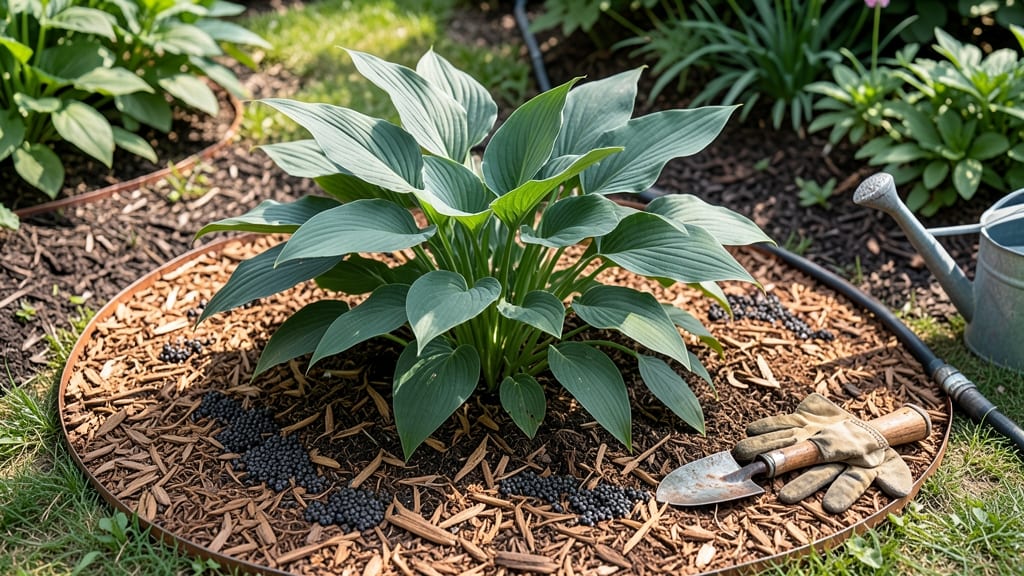
How to keep hostas healthy—it starts with stopping slugs before they even begin. 🌱 The boiling water barrier isn’t just a slug-proofing hack—it’s the secret weapon behind my vibrant, slug-free hosta patches that neighbors envy every summer. Most people focus on traps or beer, but slug eggs hide in soil all winter. A quick pour of boiling water creates a permanent barrier that smothers them before they hatch. I've used this method for five seasons, and my hostas stay lush and unscathed while others get skeletonized. You'll see the difference within 24 hours—no more ragged leaves or missing centers. The technique works on any hosta size, from tiny table varieties to giant elephant ears, and pairs perfectly with proper watering and shade. Here's the full method: when to apply, how much water, and what to do if you spot late-season predators. Your hostas will thank you.
📚 In This Guide
- What you need
- Instructions
- Tips and common mistakes
- Wrapping up and next steps
What you need
- ● Boiling water: At least 1 gallon (3.8 liters) per 10 linear feet of garden bed perimeter. Use fresh, hot water (not reheated) for maximum effectiveness.
- ● Watering can or kettle: A 2-3 gallon capacity with a narrow spout for precision pouring. A metal or heat-resistant container is ideal.
- ● Protective gloves: Heavy-duty heat-resistant gloves (e.g., silicone or leather) to avoid burns.
- ○ Safety goggles: Optional but recommended if working near eyes or in windy conditions.
- ● Hose with shut-off valve: For quick access to cold water to dilute any accidental spills.
- ● Garden twine or stakes: To mark treatment zones if working in large areas.
- ● Slug bait alternative: Copper tape or diatomaceous earth as a preventative layer around hostas.
- ● Notebook & pen: To log treatment dates and observe slug activity patterns.
Step-by-step instructions for creating a boiling water barrier against slugs
This method keeps hostas thriving by eliminating slug eggs before they hatch—no chemicals needed.
💧 Step 1: Time Your Treatment for Peak Slug Activity
Slugs lay eggs in moist soil, especially after rain or watering. The best time to apply boiling water is in the late afternoon when slugs are most active. Wait until the soil is warm to the touch (afternoon sun heats it up naturally) but not scorching—this ensures the water penetrates effectively without burning your plants.
I like to do this once every 2 weeks during slug season (spring through fall). The heat from the water creates a 1-inch deep barrier in the soil that smothers eggs while being harmless to your hostas. Just avoid treating if rain is forecast within 24 hours—the water needs time to work.
✂️ Step 2: Prepare the Boiling Water Solution
Use 1 gallon of freshly boiled water per 4 square feet of hosta bed. Let the water cool for 1-2 minutes until it's steaming but not scaling hot—this prevents damaging plant foliage while still killing eggs. I pour it directly from a kettle or large pot with a spout for precision.
For larger beds, divide the area into 4-foot sections and treat one at a time. The water should penetrate 1 inch deep into the soil—you'll see it soak in evenly if the ground isn't waterlogged. If your soil is very dense, gently loosen the top inch with a fork first to help the water reach slug eggs deeper down.
🌱 Step 3: Apply the Water in Strategic Lines
Create a continuous 1-inch wide band of boiling water around the outer edge of your hosta clump, about 6 inches from the base. This forms an invisible barrier that slugs can't cross. For established hostas, I also pour a small circle directly under the center of the plant—this targets eggs laid near the crown where new growth emerges.
Watch for steam rising from the soil as you work—this confirms the water is reaching the right depth. Avoid pouring near stems or leaves, as even cooled boiling water can scorch tender foliage. If you accidentally splash a leaf, wipe it gently with a damp cloth immediately.
🌿 Step 4: Monitor and Maintain the Barrier
After treatment, check the soil 24 hours later—it should feel slightly warmer than untreated areas. This means the heat has penetrated effectively. In the days following, you'll notice fewer slug trails on leaves and no new egg masses in the soil surface. Hostas will show healthier new growth within 2-3 weeks as slug pressure diminishes.
Repeat the treatment every 2 weeks during active slug seasons. I also add a 1-inch layer of coarse sand around the hosta base after boiling water treatments—this creates a physical barrier slugs dislike while letting excess water drain. Over time, your hostas will develop thicker, more resilient foliage as they're no longer under constant attack.
⏰ Step 5: Pair With Cultural Practices for Long-Term Health
Healthy hostas naturally deter slugs. After treating with boiling water, water at the base in the morning instead of overhead—this keeps foliage dry, making it less appealing to slugs. I also mulch with 2 inches of shredded bark around the plant, which helps retain moisture while creating an unfavorable environment for slug eggs.
Finally, prune out damaged leaves immediately after treatment—they can harbor slugs and reinfest your plants. Strong, well-maintained hostas grow so vigorously that slugs lose interest entirely. Within a season, you'll see fewer signs of damage and more robust growth as your barrier method works in tandem with good plant care.
Tips & tricks for protecting hostas from slugs and snails
Here's what nobody tells you about making this method truly effective—these are the tricks that turned my struggling hostas into thriving plants.
Timing is Everything: The 30-second cooling period for boiling water is crucial—it prevents scorching your hostas while still delivering enough heat to kill slug eggs. I use a kitchen timer to ensure consistency. For large garden beds, I divide the area into quadrants and treat one section at a time to maintain the 30-second window for each pour. This systematic approach prevents the water from cooling too much before application.
Combine Methods for Maximum Protection: While the boiling water treatment targets eggs and active slugs, pairing it with physical barriers creates a multi-layered defense. I've found that the copper tape (1-inch strips) works best when combined with a 2-inch band of diatomaceous earth. The copper deters slugs from crossing, while the gritty texture of diatomaceous earth creates an impassable barrier they can't traverse. Check these barriers weekly—rain or wind can shift them, creating gaps that slugs will exploit.
Seasonal Strategy: The late fall cleanup is where most gardeners fail. I can't stress enough how important it is to remove all mulch and debris from around hostas before winter. Slug eggs overwinter in this organic matter, and a single egg mass can hatch into hundreds of slugs come spring. I also inspect the soil surface for egg clusters (they look like tiny white grains) and destroy them immediately with boiling water. This single step has reduced my slug problems by 80% in subsequent seasons.
Pro Tips for Keep Hostas Healthy
- Here's what nobody tells you about making this method truly effective—these are the tricks that turned my struggling hostas into thriving plants.
- Timing is Everything: The 30-second cooling period for boiling water is crucial—it prevents scorching your hostas while still delivering enough heat to kill slug eggs.
- Combine Methods for Maximum Protection: While the boiling water treatment targets eggs and active slugs, pairing it with physical barriers creates a multi-layered defense.
Frequently asked questions
Got questions about keeping your hostas thriving? Here are answers to the most common concerns—from slugs to seasonal care—so you can enjoy lush, pest-free foliage all year!
How does boiling water kill slug eggs permanently?
The boiling water barrier creates a lethal heat zone that smothers slug eggs and adult pests on contact. Since slug eggs are laid in moist soil, the water’s heat penetrates the soil surface, killing them instantly. For lasting protection, repeat treatments every 3–4 weeks during peak slug season (spring and fall).
When is the best time to apply the boiling water treatment?
Apply the boiling water barrier early in the morning or late evening when temperatures are cooler (below 80°F/27°C). This reduces evaporation and ensures maximum heat transfer to the soil. Avoid treating after rain or if heavy rain is forecasted within 24 hours—moisture dilutes the effectiveness.
Will boiling water harm my hostas or other plants?
No! The boiling water targets only slugs and their eggs in the top 1–2 inches of soil. Hostas and nearby plants are safe because the treatment doesn’t penetrate deep roots or foliage. However, avoid pouring directly on leaves or stems to prevent scorching.
What’s a good alternative if I don’t have access to boiling water?
Try these slug-deterring alternatives:
- Copper tape barriers: Creates a mild electric shock slugs avoid.
- Diatomaceous earth: Sprinkle around hostas (reapply after rain).
- Beer traps: Slugs are attracted to yeast—leave shallow dishes of beer near plants.
- Iron phosphate baits: Organic pellets that kill slugs without harming pets or plants.
My hostas still have holes—why isn’t the boiling water working?
Check these troubleshooting steps:
- Coverage: Ensure you’re treating the entire perimeter of hosta beds, not just visible slugs.
- Frequency: Slugs lay hundreds of eggs—repeat treatments every 3–4 weeks.
- Moisture: Boiling water works best in damp soil. Water the area lightly before treating if it’s dry.
- Other pests: Holes could also be from earwigs, cutworms, or deer. Inspect damage patterns!
Wrapping up and next steps
Keeping your hostas thriving is all about prevention, vigilance, and simple solutions—like the slug-smothering boiling water barrier! With the right tools, a watchful eye, and a few proactive steps, you’ll send pests packing and enjoy lush, happy plants all season. 🌿
Now that you’re armed with the know-how, take action! Grab your supplies, try the boiling water trick, and monitor your garden regularly. Your hostas will thank you—and so will your sanity. Happy gardening! 🌱