
Pests
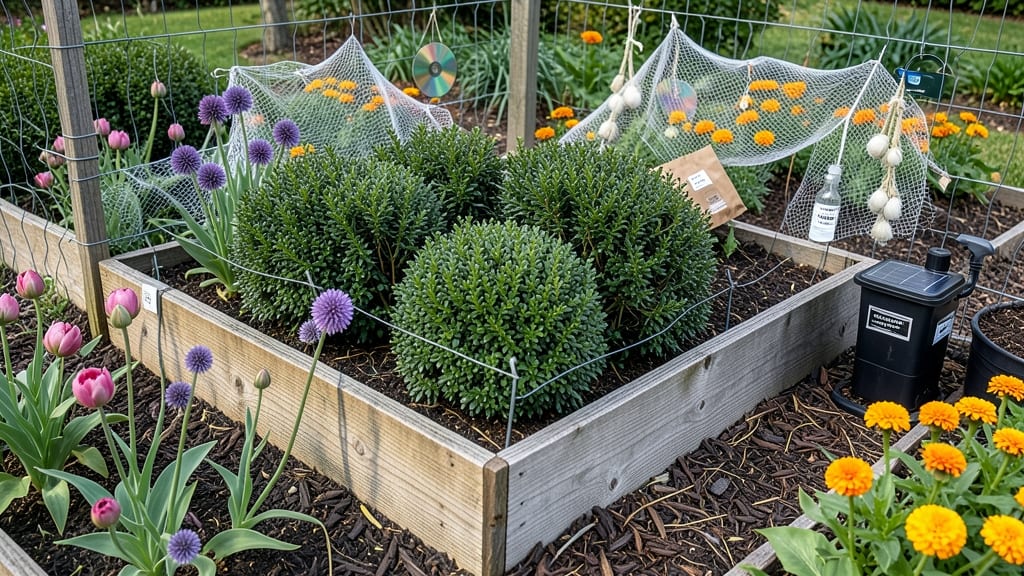
How to keep wildlife away from your garden without chemicals or ugly fences—it’s possible! 🌿 Deer, rabbits, and squirrels used to turn my garden into a buffet, but now my plants thrive thanks to clever, natural tricks. The solution? A mix of smart barriers, natural repellents, and plants that say "keep out." A simple 8-foot-tall chicken wire around veggies stops rabbits, while hot pepper spray (yes, it works) deters deer without harming the environment. Even marigolds and lavender act as living deterrents—squirrels avoid them like a bad neighborhood.
You’ll see results fast: no more chewed leaves, no vanished tomatoes, and a garden that thrives instead of gets picked clean. The best part? These methods work year after year, saving you money and frustration.
Now, let’s tackle the worst offenders—whether it’s deer, rabbits, or birds—with humane, long-term fixes that actually keep them away for good. No more guessing, no more damage. Just peace in the garden.
📚 In This Guide
- What you need
- Instructions
- Tips and common mistakes
- Wrapping up and next steps
What you need
- ● Fencing: 1–2 rolls of hardware cloth (1/4" or 1/2" mesh, 4'–6' tall, depending on the critter—rabbits need 2'–3', deer need 8'+)
- ● OR plastic mesh fencing (for smaller pests like voles or gophers)
- ● Stakes/Posts: 10–20 galvanized or treated wooden stakes (16"–24" long) for securing fencing
- ● Twine/Wire: 50–100 ft of zinc-coated wire or heavy-duty twine for temporary barriers
- ● Spikes: 1–2 rolls of plastic or metal fencing spikes (for securing mesh)
- ● Pruners/Shears: A pair for trimming plants that attract wildlife (e.g., overgrown berry bushes)
- ● Gloves: Heavy-duty work gloves (to handle thorny plants or rough materials)
- ● Plants: 1–2 marigolds, lavender, or rosemary (plant around borders—deer and rabbits dislike their scent)
- ● 1–2 garlic or chives (crush leaves and scatter near entry points)
- ● Spices: 1–2 cups of crushed red pepper flakes, cayenne, or black pepper (sprinkle around garden edges)
- ● Essential Oils: 10–20 drops of peppermint, citronella, or eucalyptus oil (mix with water in a spray bottle)
- ● Motion-Activated: 1–2 solar-powered motion lights (to startle nocturnal visitors)
- ● 1–2 wire mesh baskets (to protect individual plants from burrowing pests)
- ● Compost or wood chips (to create a natural, raised border that wildlife avoids)
- ● 1–2 wind chimes or aluminum pie pans (hang near garden to create noise deterrents)
Step-by-Step instructions for creating wildlife-resistant garden barriers
Here’s how to protect your garden without toxic chemicals—using natural deterrents that actually work.
🪴 Step 1: Evaluate Your Garden’s Weak Points
Start by identifying where wildlife enters most often. Check for gaps in fences, low-hanging branches near the garden, or areas where animals leave droppings or tracks. I focus on three key zones: the perimeter, plant beds, and compost bins. Raccoons dig under fences, while rabbits chew young stems, so prioritize those trouble spots.
Walk your garden at dusk and dawn—the times when most animals are active. Notice which plants they target (e.g., rabbits prefer tender lettuce, while deer go for hostas). This helps you tailor your defenses. For example, if squirrels are raiding your tomatoes, you’ll need a different approach than if deer are browsing your roses.
☀️ Step 2: Install Physical Barriers Where Needed
For rabbits and groundhogs, bury wire mesh at least 12 inches deep around garden beds—animals can dig under shallow barriers. Use hardware cloth (1/4-inch mesh) for small critters like mice or voles. I wrap mesh around tree trunks to protect young saplings, securing it with staples or landscape fabric.
For larger animals like deer, install 8-foot tall fencing made of polywire or woven wire. Deer can jump over 6 feet, so height matters. If fencing isn’t an option, plant thorny barriers like roses, barberry, or pyracantha along property lines. These create natural obstacles without chemicals.
🌿 Step 3: Use Natural Repellents Strategically
Spray garlic or hot pepper solutions on plant leaves—animals dislike the strong smells. Mix 1 tablespoon cayenne pepper or garlic powder per quart of water, add a drop of dish soap as a binder, and reapply every 5-7 days after rain. I also plant deterrent herbs like lavender, mint, or wormwood near vulnerable areas—their fragrance confuses foraging animals.
Place predator urine granules (like fox or coyote urine) around garden edges. The scent signals danger without harming wildlife. Refresh every 2-3 weeks or after heavy rain. For birds, hang reflective tape or old CDs from strings—they create flashing light patterns that scare off pigeons and crows.
⏰ Step 4: Maintain Deterrents Seasonally
Check barriers weekly for damage—animals may chew through weak spots. Repair holes in mesh or fencing immediately. In spring, prune low-hanging branches that provide animal access. I also rotate repellent sprays every few weeks to prevent animals from getting used to them.
Keep your garden tidy—overgrown areas hide pests like rodents. Remove fallen fruit, clean up spilled birdseed, and store compost bins away from garden edges. A clutter-free space makes wildlife less likely to linger. Finally, harvest crops promptly—ripe fruit and veggies attract animals faster than anything else.
Tips & tricks for effective wildlife deterrents
These practical strategies will help you maximize the effectiveness of your wildlife-resistant garden barriers—and avoid common pitfalls that waste time and effort.
Targeted Observation: In Step 1, when you're identifying trouble spots, pay special attention to animal trails—look for flattened grass, muddy paw prints, or chewed plants. I once missed a raccoon's favorite entry point because I only checked the obvious gaps. The trail led me to a spot where they were actually climbing over my fence from the neighbor's yard. Mark these paths with reflective flags during the day to deter animals from using them.
Barrier Installation Secrets: For Step 2's wire mesh, I recommend overlapping edges by 6 inches and securing them with galvanized staples every 12 inches. This prevents animals from slipping through gaps. When burying mesh, create a 30-degree angle outward from the hole to discourage digging. For tree trunks, wrap mesh from the ground up 2 feet—animals often gnaw at this height to reach buds and bark.
Repellent Application Strategy: In Step 3, when spraying garlic or hot pepper solutions, focus on the undersides of leaves and the base of plants—these are where animals first make contact. For predator urine, place granules along the perimeter and near known entry points. I've found that combining both methods—spraying plants and using urine—creates a multi-sensory deterrent that's much harder for animals to ignore. Just be sure to reapply after heavy rain, as the effectiveness diminishes quickly.
Seasonal Maintenance Calendar: Create a simple checklist based on Step 4's maintenance tips. Mark your calendar for weekly barrier checks, biweekly repellent rotations, and quarterly deep cleanings of your garden edges. In spring, schedule a branch-pruning day—I always do this before the first warm weekend when animals become more active. The key is consistency; even one missed maintenance window can create vulnerabilities.
Pro Tips for Keep Wildlife Away From Garden
- These practical strategies will help you maximize the effectiveness of your wildlife-resistant garden barriers—and avoid common pitfalls that waste time and effort.
- Targeted Observation: In Step 1, when you're identifying trouble spots, pay special attention to animal trails—look for flattened grass, muddy paw prints, or chewed plants.
- Barrier Installation Secrets: For Step 2's wire mesh, I recommend overlapping edges by 6 inches and securing them with galvanized staples every 12 inches.
Frequently asked questions
about keeping wildlife out of your garden—because even the best-laid plans need a little troubleshooting!What’s the most effective natural repellent for squirrels?
Try hot pepper spray (mix cayenne pepper + water) or predator urine (fox or coyote). For a DIY twist, scatter coffee grounds—squirrels hate the smell! Reapply after rain or every few days for best results.
Do motion-activated sprinklers really work against deer?
These sprinklers startle deer with a sudden burst of water when they approach. Place them near entry points (like garden edges) and pair them with reflective tape for extra visibility. Just ensure they’re pet-safe if you have dogs or cats.
How soon will I see results from these methods?
Timing varies: Physical barriers (like fences) work immediately, while repellents (sprays, plants) may take 1–2 weeks to show full effect. Consistency is key—wildlife learns patterns, so rotate tactics (e.g., swap sprays with ultrasonic devices) to stay ahead.
Are there plants that naturally repel wildlife?
Yes! Try lavender, marigolds, or mint for rabbits/squirrels, and rosemary or garlic for deer. Bonus: These plants boost your garden’s beauty while keeping pests at bay. Just avoid planting them near edibles—some wildlife (like bees) might still visit!
What if wildlife ignores my repellents?
Double down! Combine multiple methods: Add fencing (even temporary), ultrasonic devices, or exclusion netting. For stubborn critters (like raccoons), secure trash cans and remove food sources—like fallen fruit or pet food—to break their habit.
Wrapping up and next steps
Keeping wildlife out of your garden doesn’t have to mean harsh chemicals—simple, natural barriers and proactive strategies can make all the difference! 🌿 From fencing and repellents to smart landscaping, these methods protect your plants while respecting nature. Start small, stay consistent, and soon you’ll enjoy a thriving garden without unwanted visitors.
Ready to take action? Pick one method from this guide and test it this weekend—your garden (and local critters) will thank you! 🌱