
How To
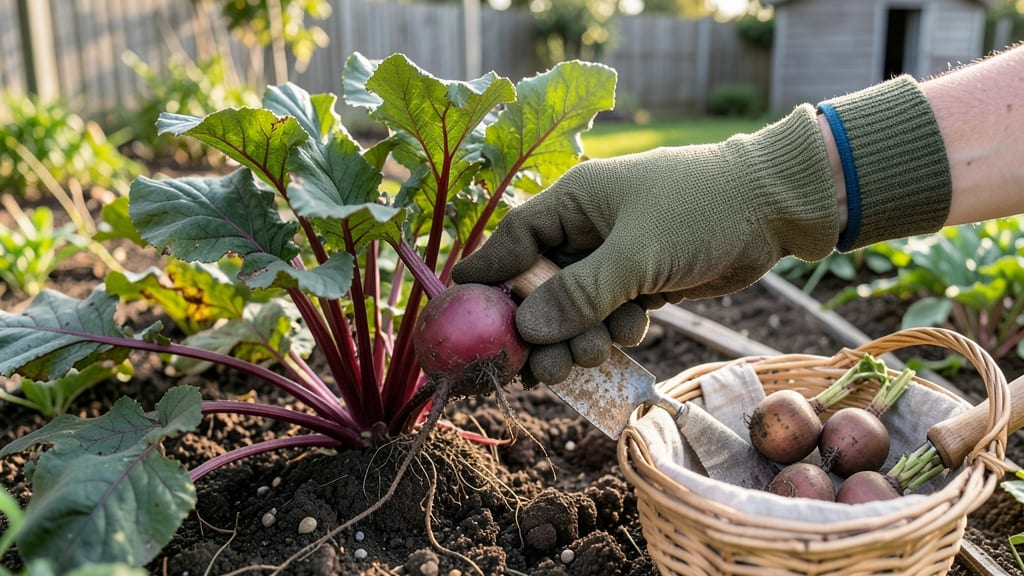
How to know when to pick beets is the secret to enjoying sweet, tender roots instead of tough, woody ones. Most gardeners wait too long, missing the perfect window where flavor peaks and texture stays ideal.
I’ve harvested beets for years, and the difference between a delicious harvest and a disappointing one comes down to three key signals: root size, leaf color, and soil conditions. Baby beets need different timing than mature ones, and ignoring these cues can turn your garden bounty into a culinary misstep.
In this guide, I’ll walk you through the exact visual and tactile checks to determine harvest readiness—whether you’re growing small baby beets or full-sized roots. You’ll also learn how weather and soil play a role in perfecting your timing.
By the end, you’ll never second-guess whether your beets are ready again. Let’s get started with the foolproof way to harvest at peak perfection.


Beet root size and firmness: the ultimate harvest checklist
Knowing how to know when to pick beets starts with understanding their root size and firmness. Unlike leafy greens, beets develop underground, so you can't judge readiness by appearance alone.
The key is checking both the diameter of the root and its texture—two factors that directly impact flavor and texture.
Baby beets (harvested young) and mature beets require different timing. Baby beets should be 1-2 inches in diameter, while full-sized beets reach 2-3 inches. The soil type also plays a role—sandy soil speeds up growth, while clay soil slows it down.
If you’re unsure, always dig up 1-2 test beets to confirm readiness before harvesting the entire patch.
| Harvest Type | Root Diameter | Firmness Test | Days to Maturity | Seasonal Note |
|---|---|---|---|---|
| Baby Beets | 1–2 inches | Firm but tender (press gently—shouldn’t feel hard) | 45–55 days | Harvest every 2 weeks for continuous supply |
| Mature Beets | 2–3 inches | Firm with slight give (like a ripe potato) | 55–70 days | Best in cool weather (spring/fall); avoid summer heat |
| Over-Mature | 3+ inches | Hard and woody (difficult to cut) | 70+ days | Flavor declines; texture becomes tough |
To test firmness, gently squeeze the root with your fingers. A ready-to-harvest beet should feel firm but yield slightly, like a ripe avocado. If it’s rock-hard, it’s overripe; if it’s soft or spongy, it’s underdeveloped.
This tactile check is your best tool for nailing the perfect harvest window.
Seasonal variations also affect timing. In cool spring weather, beets mature slower, so you may need to wait 70 days for full size. Conversely, in warm summer conditions, they can reach harvest readiness in as few as 50 days.
Always adjust your expectations based on your local climate and soil temperature.
Another pro tip: Loose soil makes harvesting easier. If the soil around your beets feels compacted, water it thoroughly 24 hours before harvesting to soften the earth. This prevents damage to the roots and makes them easier to pull cleanly from the ground.
For baby beets, aim for a 1-inch diameter and harvest every 2 weeks to encourage continuous production. This method works especially well for varieties like 'Babybeat' or 'Little Ball.'
If you’re growing heirloom or large varieties (e.g., 'Chioggia' or 'Detroit Dark Red'), wait until roots reach 2-3 inches for optimal flavor.
One common mistake is waiting until the leaves yellow or wilt before harvesting. By then, the roots may already be woody or bitter. Instead, focus on the root size and firmness—these are the most reliable indicators of harvest readiness.
Trust your fingers and your eyes, not just the foliage.
Finally, if you’re growing beets in containers or raised beds, they may mature slightly faster due to warmer soil temperatures. Monitor them closely, especially in hotter months, and be prepared to harvest 1-2 weeks earlier than in-ground plants.
By mastering these size and firmness cues, you’ll never miss the perfect moment to harvest beets again. The difference between a tender, sweet root and a tough, fibrous one comes down to timing—and now you’ve got the checklist to get it right every time. 🌱
Leaf color and growth patterns: canopy clues for perfect timing
Beet leaves speak volumes about your harvest timing—pay attention to their color, size, and growth patterns. Healthy leaves signal peak flavor, while changes warn you it's time to act. For example, deep green foliage with vibrant veins means your beets are thriving and ready for harvest.
Golden or red beets may show variety-specific leaf colors, but all types share key readiness signs. Watch for leaves that are 3-4 inches tall and abundant, as this indicates the root below has reached ideal size.
If leaves start yellowing or wilting, it’s often a sign the beet has matured past its prime.
Here’s what to watch for in your beet canopy to nail perfect timing:
Environmental factors like heat waves or drought can accelerate leaf changes, so adjust your harvest timeline accordingly. For instance, if your area hits 90°F+ temperatures, beets may mature faster—check roots every 3-5 days during heatwaves.
Pro tip: Golden beet varieties (like 'Burpee Golden') often show lighter green leaves when ready, while red beets (like 'Detroit Dark Red') keep their deep green foliage longer. Always dig up 1-2 test beets to confirm size and tenderness before committing to a full harvest.
If you ignore leaf signals, you risk woody roots or bitter flavors—so keep a close eye on your canopy! The right leaf cues ensure your beets are crisp, sweet, and perfectly sized every time. 🌱