
How To
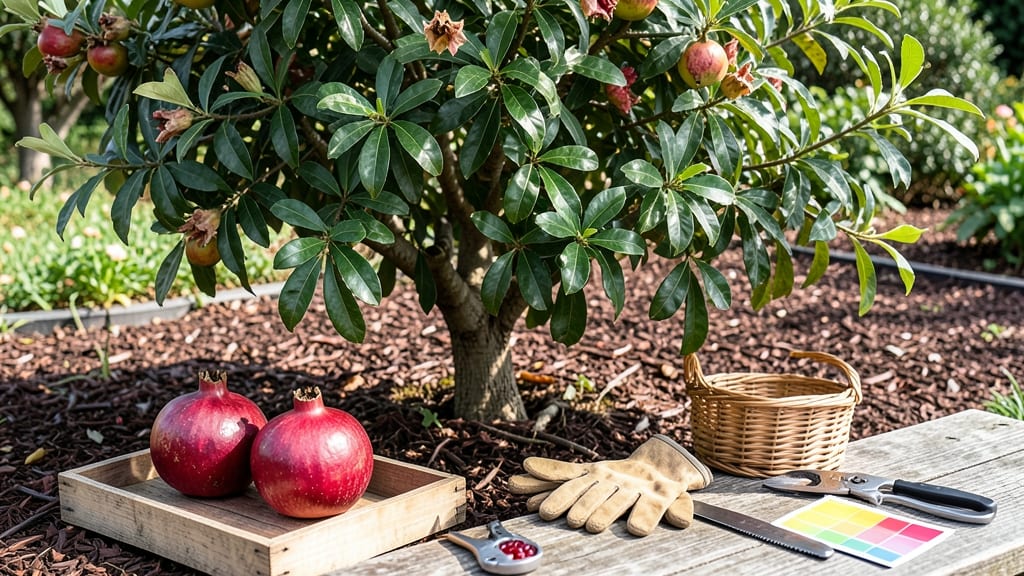
Knowing how to know when to pick pomegranates can transform your harvest from disappointing to downright delicious. That deep ruby red 🍇 you’ve been dreaming of isn’t just about color—it’s about texture, timing, and even the way the fruit feels in your hand.
Most gardeners in zone 6a wait until October or November, but ripeness isn’t just about the calendar. A perfectly ripe pomegranate should have a papery skin that cracks slightly when gently squeezed, not dent like overripe fruit.
I’ll show you the 5 key visual cues that guarantee peak flavor and juiciness.
Picking too early means mealy seeds, while waiting too long risks splitting or attracting pests. The best time to harvest is when the hull turns from green to a rich yellow or deep brown—and the seeds inside are still vibrant.
Let’s break down how to spot these signs so you never miss the perfect moment.
Whether you’re growing pomegranates in your backyard or sourcing them from a local farm, these tips will help you select the juiciest, most flavorful fruit. No more guesswork—just perfectly ripe pomegranates every time.


5 Visual cues to identify perfectly ripe pomegranates
Pomegranates need precision timing to reach their peak flavor and texture. Unlike many fruits, they don’t soften as they ripen—instead, they develop subtle visual and tactile clues.
Ignoring these signs often leads to overripe (mealy) or underripe (tart) fruit. Let’s break down the 5 key indicators that guarantee a perfect harvest.
First, focus on the fruit’s color. Mature pomegranates transition from bright green to a deep yellow-brown hue. This change signals the sugar content has peaked. However, avoid waiting for the fruit to turn completely brown, as this often means overripeness.
The ideal shade is golden-yellow with brown undertones, like a well-ripened persimmon.
Next, examine the skin’s elasticity. Gently press the fruit’s surface with your thumb—it should feel firm but slightly yielding, like a ripe avocado. If the skin dents easily, the pomegranate is underripe.
Conversely, if it feels too hard or leathery, it may be past its prime. This test is critical because pomegranates never soften like peaches or plums.
- 1 Color: Deep yellow-brown (not green or fully brown)
- 2 Skin: Firm but slightly yielding (no dents)
- 3 Calyx: Dry and papery (not green or moist)
- 4 Size: Larger than a tennis ball (3-4 inches wide)
- 5 Stem: Dried and darkened near the fruit
Pay close attention to the calyx (the flower-like top of the fruit). When ripe, it should appear dry and papery, almost like crumpled tissue paper. If it’s still green or moist, the pomegranate needs more time.
This part often gets overlooked, but it’s a reliable ripeness indicator because it changes texture before the fruit does.
The fruit’s size also plays a role. A ripe pomegranate typically measures 3-4 inches in diameter, roughly the size of a tennis ball. Smaller fruits are usually underdeveloped, while larger ones may be overripe.
Use your hand as a reference—if it fits comfortably in your palm, it’s likely ready for harvest.
Finally, check the stem’s condition. Near the point where the fruit attaches, the stem should look dried out and darkened. This signals the plant has stopped actively nourishing the fruit.
If the stem is still green or flexible, hold off on picking. This final cue ties into the plant’s natural senescence process, ensuring the fruit has reached its ideal maturity.
Pro tip: Harvest in the morning when temperatures are cooler. This preserves the fruit’s firmness and sweetness longer. Use sharp pruning shears to avoid crushing the fruit, and leave a 1-inch stem attached to extend shelf life.
Once picked, store pomegranates at room temperature for up to a week or refrigerate for 2-3 weeks.
Remember, pomegranates don’t ripen further after picking, so timing is everything. Master these 5 visual cues, and you’ll enjoy bursting, jewel-like arils every time—no mealy surprises included.
5 Visual cues to identify perfectly ripe pomegranates
Pomegranates are tricky—pick them too early, and you’ll get tart, underdeveloped fruit. Wait too long, and they turn mealy or split open. The key is spotting these 5 visual cues that guarantee peak ripeness before harvest. Start by examining the fruit’s color, which shifts dramatically as it matures.
First, look for a deep yellow or golden-brown hue on the skin. Avoid fruits still showing green patches, as these need more time. The transition from green to yellow signals sugar development inside.
Next, check the calyx (flower crown) at the top—it should dry out and turn brown, not stay green or moist.
- 1 Color shift: Deep yellow/brown (not green)
- 2 Firm texture: Skin resists gentle squeeze (no denting)
- 3 Dry calyx: Flower crown turns brown and papery
- 4 Seed color: Arils turn deep ruby-red (visible through skin)
- 5 Size check: Larger than a tennis ball (6+ inches)
Don’t overlook the skin’s elasticity—press gently with your thumb. A ripe pomegranate should feel firm but not rock-hard. If it dents easily, it’s underripe; if it feels mushy, it’s overripe.
For the ultimate test, shine a flashlight through the skin—ripe arils glow deep ruby-red, not pale or white.
Timing matters too: In USDA Zone 6a, harvest typically falls between late October and November. However, early-season varieties (like ‘Early Wonderful’) may ripen as early as September in hot climates. Always prioritize visual cues over calendar dates—your pomegranate’s color and texture are the final judges.
Pro tip: Harvest on a dry, sunny morning to prevent mold. Use pruning shears to cut the stem, leaving a short tail—this keeps the fruit fresher longer. Now you’re ready to crack open perfectly ripe pomegranates with confidence! 🍇