
How To
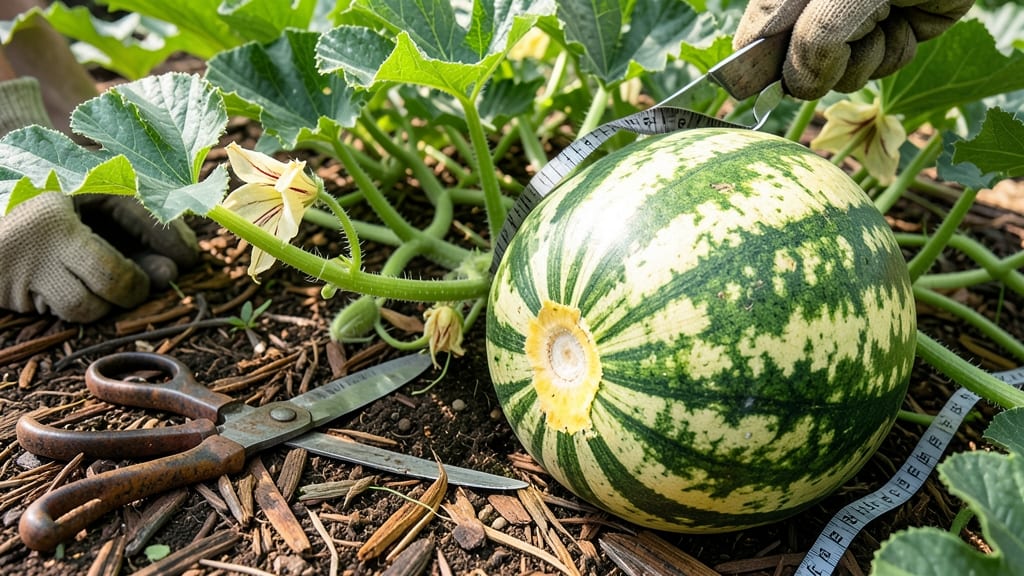
How to know when a watermelon is ready to harvest can turn a guess into a guaranteed sweet victory. That creamy, juicy moment you’ve been waiting for isn’t just luck—it’s science, and I’ll show you exactly how to read the signs without cutting into the fruit.
From the cream-colored field spot to the satisfying thump of a ripe melon, these tactile tests work every time—no fancy tools required. Whether you’re growing in USDA Zone 6a or just picking up a farmers' market find, you’ll learn the subtle clues most people miss.
Skip the trial-and-error and harvest at peak sweetness this season. I’ll walk you through the 5 foolproof methods to test ripeness, so you never settle for bland or overripe again.
Ready to go from unsure to confident? Let’s dive into the secrets that’ll have you picking the perfect watermelon like a pro.

5 Tactile tests to determine watermelon ripeness (field-proven methods)
Watermelons don't come with expiration dates, so you need to rely on your senses to judge ripeness. The good news? These 5 tactile tests work every time—no guesswork required.
Whether you're harvesting from your garden or picking one at the farmers' market, these methods ensure you never bring home a watery, underripe melon again.
First, let's tackle the field spot test, the most reliable indicator of ripeness. Look at the spot where the watermelon rested on the ground. When ripe, this ground spot turns from white to a creamy yellow or buttery color.
This change signals the melon has fully matured and developed its signature sweetness.
Next, try the thump test, a classic method that works surprisingly well. Hold the watermelon with both hands and give it a firm thump with your knuckles. A ripe watermelon will produce a deep, hollow sound.
If it sounds dull or flat, it's not ready yet. This test works because the seeds inside harden as the melon ripens, creating that distinctive echo.
Field Spot Test
Check the ground spot—ripe melons show creamy yellow where they touched soil.
Thump Test
Tap the melon—deep hollow sound means ripe; dull thud means underripe.
Don't overlook the stem twist method. Gently twist the stem near the melon. If it snaps cleanly and doesn't tear, the melon is ready. If the stem pulls away with resistance or tears, it's not ripe yet.
This test is especially useful for gardeners who want to harvest at the perfect moment without damaging the vine.
For a more scientific approach, try the rind hardness test. Press your thumbnail into the watermelon's rind. If your nail doesn't leave a dent, the melon is ripe.
If it sinks in easily, it needs more time on the vine. This test is quick and requires no special tools—just your hands and a little pressure.
Finally, the weight test is a great final check. A ripe watermelon feels surprisingly heavy for its size. Lift it in your hands—if it feels dense and substantial, it's ready to harvest. Underripe melons often feel lighter because they're still filling out with water rather than sweet flesh.
Remember, these tests work best when combined. For example, a melon might pass the field spot test but fail the thump test—this inconsistency means it's not quite ready. Always cross-reference at least two methods to be sure. With practice, you'll develop an instinct for when a watermelon is perfectly ripe.
Pro tip: Harvest in the morning when the fruit's sugar content is at its peak. This timing ensures you get the sweetest, most flavorful watermelon possible. Now that you're equipped with these tactile tests, you're ready to pick the perfect watermelon every time!
Watermelon ripeness by variety: what to expect from seedless to heirloom types
Not all watermelons ripen the same way—seedless varieties, heirloom types, and striped rinds each have unique ripeness signals. Understanding these differences ensures you don’t miss the perfect harvest window.
For example, seedless watermelons often lack the classic field spot, so you’ll need to rely more on rind texture and weight. Meanwhile, heirloom varieties like Moon and Stars may develop intricate patterns that signal maturity.
Here’s how ripeness cues shift across popular types, so you can adjust your tactile tests accordingly. Whether you’re growing sugar baby, Crimson Sweet, or Charleston Gray, knowing these variety-specific traits will help you avoid picking too soon—or too late.
| Variety Type | Field Spot | Rind Hardness | Sweetness Level | Best Test |
|---|---|---|---|---|
| Seedless | Often absent | Very firm | High (8/10) | Thump + stem twist |
| Heirloom (e.g., Moon and Stars) | Cream/yellow | Firm but not rock-hard | Moderate (6/10) | Color + thump |
| Striped (e.g., Crimson Sweet) | White-to-cream | Hard to pierce | High (9/10) | Field spot + weight |
| Mini (e.g., Sugar Baby) | Yellow | Firm | Very high (10/10) | Thump + color |
For seedless watermelons, skip the field spot check entirely—these varieties often ripen internally without external cues.
Instead, focus on the stem twist test: a ripe seedless melon’s stem will snap cleanly when twisted. Heirloom types, on the other hand, may develop mottled patterns or dull rinds as they mature, so combine the thump test with a close look at the fruit’s color consistency.
If you’re growing striped varieties like Crimson Sweet, pay extra attention to the field spot—it’s your best clue. But don’t ignore the weight: a ripe striped watermelon should feel heavy for its size, almost like it’s too big for its vine.
For mini varieties, like Sugar Baby, the yellow field spot is a dead giveaway, but always confirm with the thump test to avoid hollow-sounding disappointments.
Pro tip: Climate matters. In hot, dry regions, watermelons may ripen faster and develop darker rinds earlier. In cooler climates, they’ll take longer to sweeten, so lean on stem dryness and rind firmness as your primary indicators.
Adjust your expectations based on your local growing season—July heat speeds up ripening, while June rains can delay it.
Now that you know how variety affects ripeness, you’re ready to harvest like a pro. But even with these tips, common mistakes can still lead to picking at the wrong time—let’s cover those next to ensure you never miss another perfect watermelon. 🌱