
How To
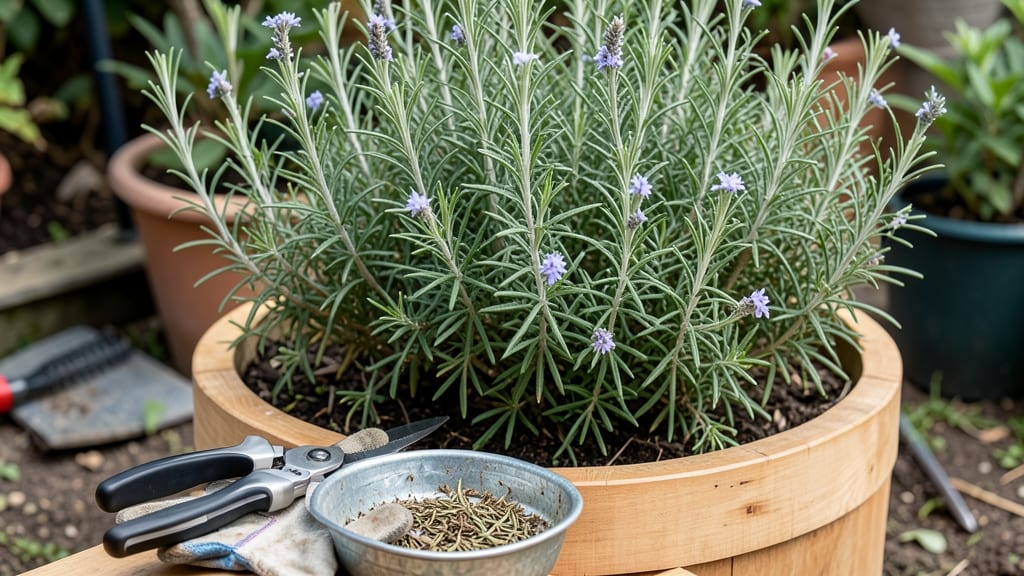
Leggy rosemary ruins the Mediterranean charm. 🌿 The secret to bushier growth isn't mystery—it's timing, cuts, and a little sunlight love. My rosemary went from sad sticks to a lush green cloud after just one pruning session last spring, and I'll show you exactly how.
Start with sharp pruners and focus on new growth—those tiny red shoots at the ends of branches. Cut just above a leaf node (where leaves meet the stem) at a 45-degree angle to prevent water pooling.
Avoid cutting into old wood, or you'll stunt regrowth. Most people over-prune in winter—rosemary needs active growth to bush out, so wait until early spring or after flowering.
You'll see the difference within 3-4 weeks: fresh green shoots pushing from where you cut, compact growth instead of sprawling limbs, and a plant that looks full enough to fill a whole herb garden.
The key is consistency—repeat this process every 6-8 weeks during growing season, and your rosemary will stay thick and vibrant year-round.
Pro tip: If your rosemary stays sparse, check your soil—it hates soggy roots. Well-draining mix and full sun (6+ hours daily) make all the difference. And yes, I mean that literally—my neighbor's rosemary stayed skinny because he planted it in a shady corner. Light exposure matters more than you'd think!
📚 In This Guide
- What you need
- Instructions
- Tips and common mistakes
- Wrapping up and next steps
What you need
- ● Rosemary plant: A healthy, mature rosemary bush (upright or trailing varieties work best).
- ● Pruning shears or sharp bypass pruners: Clean, sharp tools (avoid dull scissors—they crush stems!). Size: 5-7 inches for precision.
- ○ Gloves (optional but recommended): Gardening gloves to protect hands from prickly stems and sap.
- ● Watering can or hose with a gentle spray nozzle: For post-pruning hydration.
- ● Compost or well-draining potting mix: If repotting or amending soil (2-3 gallons per plant).
- ● Fertilizer (balanced or low-nitrogen): 5-10-5 or 10-10-10 ratio (follow package instructions for dosage).
- ● Container or garden space: Ensure it has well-draining soil and 6+ hours of sunlight daily.
- ● Rooting hormone: Speeds up growth of cuttings (gel or powder form).
- ● Mulch (gravel or pine straw): Helps retain moisture and deter weeds.
- ● Plant food with micronutrients: Boosts overall plant health (e.g., fish emulsion or seaweed extract).
- ● Spray bottle with water: For misting new cuttings or seedlings.
- ● Plant markers or labels: Track pruning dates and varieties if experimenting.
Step-by-Step instructions for pruning rosemary to encourage bushier growth
Here's how I transform leggy rosemary into a lush, full bush—no fancy tools or secret tricks.
✂️ Step 1: Wait for the Right Time
Prune rosemary in early spring when new growth begins or right after flowering. This timing ensures you're cutting back when the plant is actively growing, not stressed from dormancy or heat. Avoid pruning in winter or late summer—those are when rosemary is most vulnerable to cold damage or heat exhaustion.
Look for light green, flexible new growth at the tips of stems. If you see woody, brown stems with no signs of fresh leaves, wait another week. The goal is to cut back into this healthy new growth—this is where the plant will branch out and fill in.
✂️ Step 2: Cut Back to Encourage Branching
Use clean, sharp pruners to make your cuts at a 45-degree angle, about ¼ inch above a leaf node (the small bump where a leaf or branch grows). This angle helps water run off the cut and prevents rot. Never cut into bare wood—always leave some green growth to support new shoots.
For leggy stems, cut back one-third of the plant's height in the first year. Focus on the longest, woody stems first—they're the ones that won't regrow on their own. You'll see new side shoots emerge within 2-3 weeks if the plant is healthy. If you're pruning an established bush, you can be more aggressive and cut back half the height to stimulate fuller growth.
💧 Step 3: Water and Fertilize After Pruning
Water the rosemary deeply right after pruning to help it recover from the stress. The soil should be moist 2-3 inches down, but not soggy. Rosemary hates sitting in wet soil, so if your area gets heavy rain, move the plant to a sheltered spot or ensure the pot has drainage holes.
Apply a balanced, water-soluble fertilizer (like 10-10-10) at half strength one week after pruning. This gives the plant the nutrients it needs to produce new growth without overwhelming it. Skip fertilizer if your rosemary is in poor, dry soil—focus on improving the soil first with compost instead.
☀️ Step 4: Provide Ideal Growing Conditions
Rosemary thrives in full sun (6+ hours daily) and well-draining soil. If your plant is in a pot, move it to a south-facing spot or under a grow light for 14-16 hours of light daily if natural light is limited. Leggy growth often happens because the plant is stretching toward light—this step stops that immediately.
Watch for new shoots emerging from the leaf nodes where you made cuts. These are your signal that the pruning worked. If you don’t see new growth within 4-6 weeks, the plant may need more sunlight, better soil, or a lighter hand with the pruners next time.
⏰ Step 5: Repeat Annually for Long-Term Bushiness
Prune rosemary once a year in early spring to maintain its shape and encourage dense growth. Over time, you’ll notice the plant fills out naturally, with multiple stems instead of one long, bare trunk. If you prune too lightly, the bush won’t thicken—cut back enough to stimulate branching.
Here’s the thing—rosemary responds best to regular, light pruning rather than one heavy cut. Think of it like trimming your hair: small, frequent adjustments keep it full and healthy. After a few years of this, you’ll have a thick, bushy rosemary that’s perfect for cooking or landscaping.
Tips & tricks for transforming leggy rosemary
Here's what nobody tells you about pruning rosemary—these tricks saved my overgrown bushes from turning into sad, sprawling sticks.
Timing is Everything: The 50-75°F temperature range in Step 1 isn't just about comfort—it's when rosemary's growth hormones are most active. I learned this the hard way after pruning in 90°F heat and watching my plant wilt for weeks. Check your local forecast and plan your pruning for those mild days after rain when the soil is damp but not soggy.
The One-Third Rule: When you're cutting those leggy stems in Step 2, resist the urge to go crazy! That one-third measurement isn't arbitrary—it's the sweet spot where you remove enough to stimulate branching without shocking the plant. I used to cut too much, and my rosemary would just sit there looking confused for weeks. Pro tip: Mark your pruners with tape at 1/3 of their length to visualize that perfect cut.
Sunlight Test: After Step 3 when you're opening up that center, do this quick check: Stand back and squint—you should see sunlight reaching all the way to the middle of the bush. If you still see shadows, you haven't thinned enough. I keep a small flashlight handy for evening checks—if light can't reach, neither can your pruning shears.
Fertilizer Timing: That 3-4 day wait before fertilizing in Step 4 is crucial. New cuts are like open wounds on your rosemary, and fertilizer salts can burn them. I've seen people skip this step and end up with brown, crispy tips where new growth should be. Think of it like giving your plant a bandage before the first aid kit—let those cuts heal first.
Pro Tips for Make Rosemary Bushier
- Here's what nobody tells you about pruning rosemary—these tricks saved my overgrown bushes from turning into sad, sprawling sticks.
- Timing is Everything: The 50-75°F temperature range in Step 1 isn't just about comfort—it's when rosemary's growth hormones are most active.
- The One-Third Rule: When you're cutting those leggy stems in Step 2, resist the urge to go crazy!
Frequently asked questions
Got questions about pruning rosemary for that perfect bushy look? You’re not alone!
Here are answers to the most common queries—plus a few pro tips to keep your rosemary thriving.
When is the best time to prune rosemary for bushier growth?
Prune rosemary in early spring (just as new growth starts) or late summer (after flowering). Avoid heavy pruning in winter—rosemary is semi-evergreen but can struggle with cold stress. Light trims in fall also work, but skip harsh cuts after the first frost.
How much should I cut off rosemary to encourage bushiness?
Never remove more than ⅓ of the plant in one session. For bushier growth, trim back 1–2 inches from the tips of stems, focusing on leggy or overgrown branches. Use clean, sharp shears to avoid tearing—this prevents disease and encourages new shoots.
What if my rosemary looks woody or leggy after pruning?
Leggy or woody rosemary often needs harder pruning (cutting back to 6–8 inches from the base) in spring. If the center looks bare, thin out the oldest stems to improve airflow. Over time, fresh growth will fill in—just be patient! For severely woody plants, consider propagating cuttings.
Can I prune rosemary indoors for bushier growth?
Yes! Indoor rosemary benefits from light pruning (trim tips when stems get too long). Place it near a sunny window or under grow lights to support new growth. Avoid overwatering—rosemary hates soggy soil, which can stunt bushiness. A well-draining pot and occasional pinch of fertilizer (like 10-10-10) helps too.
What if my rosemary turns brown or crispy after pruning?
Brown tips usually mean underwatering or over-pruning. Rosemary stores water in its woody stems, so it’s drought-tolerant—but check soil moisture (it should be dry 1–2 inches down). If you pruned too aggressively, reduce cuts next time. For crispy leaves, move the plant to a sunnier spot or improve drainage.
Still stumped? Try propagating a cutting from your pruned stems—it’s a great way to revive leggy rosemary and get a second plant for free!
Wrapping up and next steps
Growing a lush, bushy rosemary plant is totally within your reach with the right pruning techniques! Remember, the key is regular trimming, proper timing, and encouraging new growth—whether you’re shaping it for culinary use or just admiring its fragrant beauty. 🌿✨
Now that you’re armed with these tips, why not take the next step? Grab your shears and give your rosemary a little TLC—your garden (and future meals!) will thank you. Happy pruning!