
How To
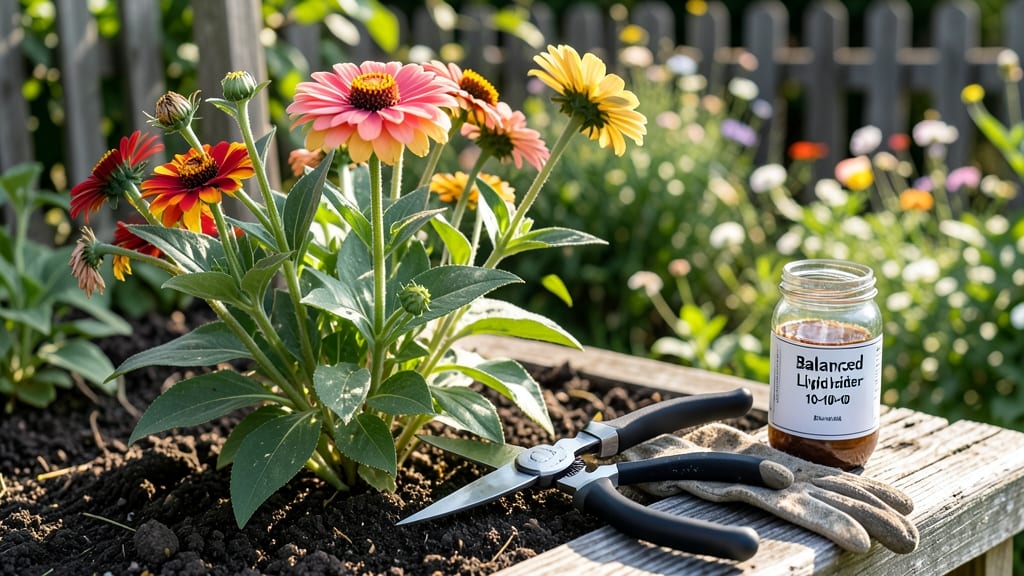
How to make zinnias bushier—those towering stems with sparse blooms are a common frustration—but the fix is simpler than you think. I’ve turned my once-skinny zinnias into lush, bushy powerhouses using just two key moves: strategic pruning and targeted feeding. The results? Full, compact plants that bloom like crazy instead of flopping over.
Most gardeners overlook that zinnias grow best when you pinch back young stems early, forcing them to branch out. Add a balanced fertilizer with extra phosphorus (the middle number), and you’ll see new side shoots sprouting within 10-14 days.
Water deeply but let the soil dry slightly between sessions—zinnias hate soggy roots, which stunt growth faster than anything else.
By midseason, your plants will look like thick, vibrant bushes instead of gangly teenagers. The secret’s in the timing: prune when stems reach 6-8 inches, and feed every 3-4 weeks during peak growth. Overcrowding? Thin seedlings to 12 inches apart—zinnias need air to stay bushy, not cramped.
This method works for all zinnia varieties, from dwarf to giant, and even fixes last-minute legginess. The payoff? A garden full of bold, bushy zinnias that stand tall and bloom like they’re in a florist’s display. Let’s get those stems branching!
📚 In This Guide
- What you need
- Instructions
- Tips and common mistakes
- Wrapping up and next steps
What you need
- ● Zinnia plants: Healthy, established zinnias (preferably 6–12 inches tall) with at least 3–4 sets of true leaves.
- ○ Pruning shears or sharp scissors: Clean, sterilized tools (rubbing alcohol works) to avoid spreading disease. Optional: Small hand pruners for precision.
- ● Balanced fertilizer (10-10-10 or 5-5-5): 1–2 tablespoons per plant (check label for dilution instructions). Alternative: Organic options like compost or fish emulsion.
- ● Watering can or hose with a gentle nozzle: For post-pruning hydration.
- ○ Gloves (optional but recommended): To protect hands from thorns or dirt.
- ● Epsom salt: 1 teaspoon dissolved in water for magnesium boost (great for leafy growth).
- ● Mulch (straw or shredded leaves): 1–2 inches to retain moisture and suppress weeds.
- ● Growth regulator (e.g., daminozide): Follow label instructions for compact, bushier plants.
- ● Plant support (stakes or cages): If your zinnias are top-heavy or leggy.
Step-by-Step instructions for pruning and feeding zinnias
Here’s how I transform leggy zinnias into lush, full bushes in just weeks.
Pinch Back Early Growth for Branching
When zinnias are about 6 inches tall and have 4-6 true leaves, pinch off the top set of leaves with your fingers or clean pruners. This signals the plant to stop growing vertically and focus on lateral branches instead. I always do this in the morning so any small cuts have time to dry before evening moisture sets in.
Look for the first set of leaves below the flower bud—this is your target spot. Pinching above it encourages bushier growth, while pinching too low can stunt the plant. You’ll see new side shoots emerge within 7-10 days if the plant is healthy and getting enough light.
Deadhead Spent Blooms Promptly
As soon as a zinnia flower wilts, snip the entire stem back to the first set of healthy leaves below the bloom. This removes the spent flower and prevents seed production, which diverts energy back into foliage growth. I use sharp pruners to avoid tearing stems, and I always make cuts at a 45-degree angle just above a leaf node.
Watch for new buds forming at the base of the plant—this is your sign the zinnia is responding well. If you skip deadheading, the plant will put all its energy into seed production, leaving you with fewer blooms and less foliage. I deadhead every 2-3 days during peak bloom to keep my zinnias producing.
Apply Balanced Fertilizer After Pruning
After pinching or pruning, feed your zinnias with a balanced, water-soluble fertilizer (like 10-10-10) diluted to half strength. This gives them the nutrients they need to recover and grow bushier. I apply it in the early morning so the roots have time to absorb it before the heat of the day.
Water the soil thoroughly before and after fertilizing to prevent root burn. You’ll notice new leaves emerging within 5-7 days if the plant is healthy. Avoid over-fertilizing—zinnias are heavy feeders but too much nitrogen can lead to excessive leaf growth at the expense of flowers.
Provide Proper Light and Water
Zinnias need full sun—at least 6-8 hours daily—to grow bushy and strong. If your zinnias are stretching or looking pale, they’re not getting enough light. Move them to a sunnier spot or supplement with a grow light if you’re growing them indoors or in low-light conditions.
Water at the base of the plant in the morning to keep the foliage dry, which reduces the risk of fungal diseases. Let the top inch of soil dry out between waterings—zinnias hate soggy roots but also won’t tolerate drought. You’ll see faster recovery and fuller growth when the plant is consistently moist but not waterlogged.
Repeat Pruning Every 4-6 Weeks
For sustained bushiness, repeat the pinching process every 4-6 weeks throughout the growing season. Each time you prune, you encourage more branching and fuller foliage. I also trim back any overly leggy stems to maintain a compact shape, which makes the plant look thicker and more robust.
By the end of the season, your zinnias will have dense, bushy growth with plenty of blooms. The key is consistency—regular pruning, deadheading, and feeding keep the plant focused on producing strong stems and leaves rather than just height. You’ll love the transformation!
Tips & tricks for pruning zinnias for bushier growth
Real talk: The difference between leggy zinnias and lush, full bushes often comes down to these precise timing and technique details.
Timing Secret: In Step 1, when your zinnias reach exactly 6 inches tall with 4-6 true leaves, that's your cue to pinch. I've learned this the hard way—waiting even a few days longer means the plant commits to vertical growth before you can redirect it. The morning timing isn't just about drying cuts; it's also about avoiding evening humidity that could invite fungal infections through fresh pruning wounds.
Technique Tip: For Step 2 deadheading, I've found that making cuts at a 45-degree angle just above a leaf node isn't just about aesthetics—it's about directing the plant's energy. The angled cut creates a larger surface area for water absorption, while positioning it above a leaf node ensures new growth emerges from that spot. This small detail makes all the difference in how quickly your plant recovers and produces new buds.
Fertilizer Strategy: When applying that balanced fertilizer in Step 3, remember that half-strength application is non-negotiable for zinnias. Full-strength fertilizer can burn their sensitive roots, while too little won't provide the phosphorus boost needed for strong stems. I've seen dramatic results when I combine this with a thorough watering before and after—it's like giving your plants a nutrient-rich drink rather than a shot.
Light Optimization: The 6-8 hours of full sun requirement in Step 4 isn't just about duration—it's about intensity. If you notice your zinnias stretching toward light, they're telling you they need more direct sunlight. I've had success supplementing with a grow light for 2-3 hours in the evening during cloudy periods, which maintains that critical light exposure without overheating the plants.
Pro Tips for Make Zinnias Bushier
- Real talk: The difference between leggy zinnias and lush, full bushes often comes down to these precise timing and technique details.
- Timing Secret: In Step 1, when your zinnias reach exactly 6 inches tall with 4-6 true leaves, that's your cue to pinch.
- Technique Tip: For Step 2 deadheading, I've found that making cuts at a 45-degree angle just above a leaf node isn't just about aesthetics—it's about directing the plant's energy.
Frequently asked questions
Got questions about transforming your zinnias into lush, bushy beauties? You’re not alone! Here are some of the most common queries—plus quick, actionable answers to keep your garden thriving.
When is the best time to prune zinnias for bushier growth?
Prune zinnias after they’ve established 4–6 true leaves (about 4–6 weeks after sowing) and again when they reach 6–12 inches tall. Avoid pruning during extreme heat or frost—aim for morning hours on mild days for optimal recovery. Pro tip: Pinch back the topmost set of leaves to encourage lateral branching!
How much should I cut back when pruning zinnias?
For bushier growth, trim back one-third of the plant’s height (or about 3–6 inches) just above a leaf node or set of leaves. Avoid over-pruning—zinnias are resilient but won’t bounce back if you shear them too aggressively. Warning: Never cut into woody stems; focus on soft, green growth for best results.
Can I use regular garden shears or do I need special pruners?
Regular, clean garden shears or even sharp scissors work perfectly for zinnias—just ensure they’re sterilized with rubbing alcohol between cuts to prevent disease. Avoid dull tools, which can crush stems and invite rot. For large batches, bypass pruners (with a 4–6 inch blade) save time and reduce hand fatigue.
Why aren’t my zinnias getting bushier after pruning?
Bushiness hinges on three factors: light, water, and nutrients. If your zinnias aren’t responding, check for:
- Shade stress: Move to full sun (6+ hours daily).
- Underwatering: Water at the base (not leaves) when soil is dry 1–2 inches down.
- Nutrient deficiency: Feed with a balanced 10-10-10 fertilizer or compost tea every 2–3 weeks.
Also, avoid over-fertilizing with nitrogen—it promotes leafy growth over flowers!
Will pruning zinnias reduce their flower production?
Not if done right! Pruning stimulates more blooms by encouraging a denser, bushier structure. However, avoid heavy pruning late in the season (after mid-summer) if you want to preserve fall flowers. Bonus: Deadhead spent blooms regularly to redirect energy into new growth—and enjoy a non-stop flower show!
Wrapping up and next steps
Transforming your zinnias into lush, bushier plants is simpler than you think! With the right mix of pruning techniques, nutrient-rich feeding, and a little patience, you’ll enjoy fuller blooms and vibrant foliage in no time. 🌸
Ready to see the results? Grab your shears, head outside, and give your zinnias the care they deserve. Happy gardening—your plants will thank you! 🌱