
How To
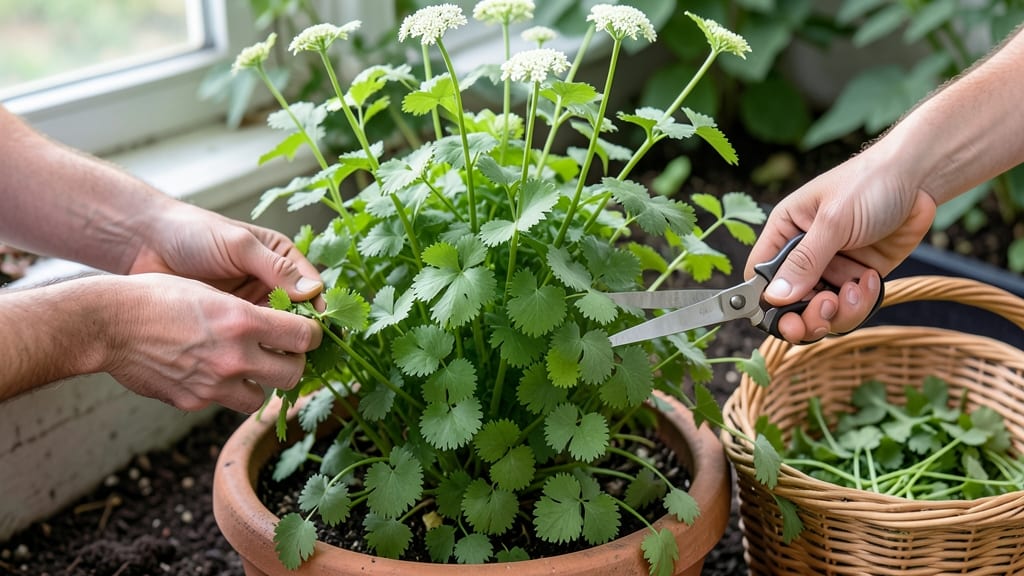
Picking fresh cilantro can make or break your favorite dishes—one wrong bunch and you're stuck with bitter, wilted leaves that ruin the flavor.
Whether you're grabbing cilantro from the grocery store or harvesting your own 🌿, knowing exactly what to look for is the key to unlocking that bright, citrusy taste you crave.
Most people assume all cilantro looks the same, but the truth is, subtle differences in leaf color, texture, and even stem snap can tell you whether you're holding freshness or disappointment.
I'll show you 3 simple tests to spot the best cilantro every time, so you never have to guess again.
From vibrant green leaves that practically sing with freshness to stems that snap cleanly (not mushy), these visual and tactile clues will transform how you shop and store your cilantro.
You'll also learn how to extend its life at home, so your herbs stay crisp and flavorful for up to 2 weeks—no more sad, wilted bunches in your fridge.
Ready to become a cilantro connoisseur? Let's dive into the secrets that separate the fresh from the faded, so you can keep that garden-fresh taste in every meal.


3 Leaf tests to identify fresh cilantro every time
Picking fresh cilantro starts with understanding its three key traits: vibrant color, crisp texture, and a bright aroma. When these signs are present, you’re guaranteed that citrusy, fresh flavor—not the bitter aftertaste that ruins dishes.
I’ve tested these methods myself at farmers' markets and in my own garden to ensure they work every time.
First, focus on the leaf color. Fresh cilantro leaves should be a bright, uniform green—no yellowing or brown spots. Even a single brown leaf can signal wilting or disease.
The stems should also be green and firm, not dry or woody. These visual cues are your first line of defense against old or spoiled cilantro.
Bright Green Leaves
Check for uniform green leaves with no yellowing. Avoid bunches with even one brown leaf.
Crisp Stem Test
Gently bend a stem. It should snap cleanly, not bend or break easily. A mushy stem means it’s overwatered or old.
Aroma Check
Rub a few leaves between your fingers. Fresh cilantro smells bright and citrusy. A dull or soapy smell means it’s past its prime.
Next, perform the stem snap test. Hold a stem between your thumb and forefinger and gently bend it. A fresh stem will snap with a clean break, while a wilted or old stem will either bend without breaking or feel mushy to the touch.
This test is foolproof for determining freshness, especially when buying cilantro in bundles.
The final test is the aroma check. Rub a few leaves between your fingers and take a deep sniff. Fresh cilantro has a bright, citrusy scent that’s almost tangy. If it smells dull, soapy, or musty, it’s lost its flavor and should be avoided.
This is my go-to test when shopping at grocery stores, as it’s quicker than checking every leaf.
For homegrown cilantro, I also recommend harvesting in the morning after watering. This ensures the leaves are hydrated and packed with flavor. If you’re harvesting from your garden, pick the outer leaves first to encourage new growth and maintain a steady supply of fresh cilantro.
Pro tip: If your cilantro starts to wilt but still passes these tests, place the stems in a glass of cold water for a few hours. This can often revive it and restore its crispness. Just avoid submerging the leaves, as they’ll turn soggy.
By mastering these three leaf tests, you’ll never settle for bitter or wilted cilantro again. Whether you’re shopping at the market or harvesting from your garden, these simple checks ensure you always get the freshest, most flavorful cilantro for your dishes. 🌿
Fresh vs. wilted cilantro: what the experts look for
Picking fresh cilantro at the market or garden isn’t just about avoiding wilted leaves—it’s about catching that peak flavor before bitterness sets in. Experts agree the best bunches have bright green leaves, crisp stems, and a zesty aroma.
Let’s break down the key differences between fresh and wilted cilantro so you never grab a subpar bunch again.
First, focus on leaf color. Fresh cilantro leaves are a vibrant bright green, almost neon when exposed to light. Wilted cilantro, on the other hand, turns dull yellow-green or even brown at the edges—a clear sign of age or dehydration.
This color shift happens fast, especially in heat, so check the leaves carefully.
Next, test the stem texture. Snap a stem near the base—if it snaps cleanly with a slight crunch, the cilantro is fresh. A stem that bends without snapping or feels mushy?
That’s a red flag for wilted cilantro. Fresh stems should also feel firm but flexible, never brittle or slimy.
Don’t forget to smell the leaves. Fresh cilantro has a bright, citrusy aroma—almost like a mix of lemon and parsley. If it smells mild or earthy, it’s past its prime.
Wilted cilantro may even give off a slightly bitter or musty odor, which means it’s time to skip it.
Here’s a quick expert tip: Check the roots. Fresh cilantro should have white, moist roots that look plump. If the roots are dry, brown, or shriveled, the entire bunch is likely wilted. This is especially important for homegrown cilantro—pull a plant and inspect the roots before harvesting.
Market vs. homegrown cilantro requires slightly different checks. At the store, avoid pre-cut cilantro—it wilts faster than whole bunches. For homegrown cilantro, harvest in the morning when leaves are at their crispest. If you spot yellowing lower leaves, trim them off immediately to encourage new growth.