
How To
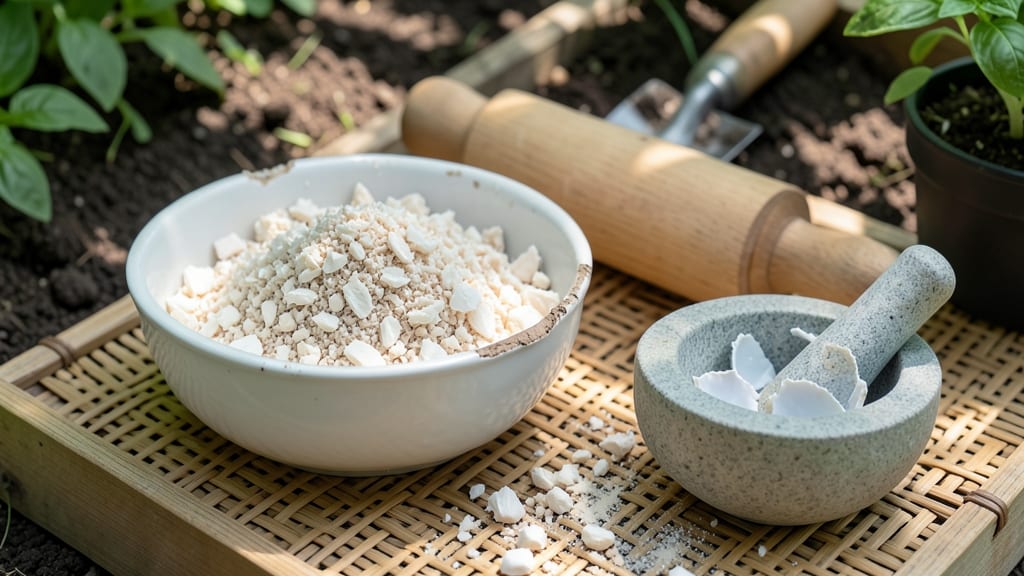
How to crush eggshells for the garden is my secret weapon for stronger plants. 🌱 The calcium in them prevents blossom-end rot in tomatoes and keeps leaves from yellowing—exactly what my struggling pepper plants needed last summer. What starts as kitchen waste turns into a free fertilizer that also deters slugs and improves soil structure.
You don't need fancy tools—just a clean, dry eggshell collection and a rolling pin or mortar and pestle. I bake shells at 200°F for 10 minutes first to kill any bacteria, then crush them into tiny pieces.
The key is patience: finer pieces dissolve faster, but even coarse bits work over time. This method works for vegetable gardens, compost piles, or even as a natural slug barrier around seedlings.
Sprinkle the crushed shells directly into planting holes or mix them into compost for gradual release. For pest control, scatter them around plants where slugs and snails gather—the sharp edges deter them without chemicals.
Just avoid overdoing it: a handful per plant every few weeks is plenty. The results? Healthier plants, fewer pests, and soil that stays balanced naturally.
Perfect for gardeners who want to reduce waste and boost plant health without extra cost. Whether you're growing tomatoes, peppers, or herbs, this simple trick makes a noticeable difference. Start small—your plants will thank you!
📚 In This Guide
- What you need
- Instructions
- Tips and common mistakes
- Wrapping up and next steps
What you need
- ● Clean, empty eggshells – Aim for at least 10–15 shells (more = more calcium!). Rinse thoroughly to remove any egg residue.
- ● Plastic or paper bags – 1–2 sturdy bags (gallon-sized works great) to hold shells for crushing.
- ● Rolling pin – A heavy-duty one (1–2 lbs) for the best crush. Avoid lightweight ones—they won’t do the job!
- ○ Tongs or gloves – Optional but helpful for handling sharp edges after crushing.
- ● Small bowl or container – For collecting crushed shells before adding to soil or compost.
- ● Food processor or blender – For ultra-fine powder (great for potted plants!). Use the pulse function to avoid over-processing.
- ● Mortar and pestle – A mini version works for small batches (fun for kids too! 👶).
- ● Compost bin or bucket – If you’re adding shells to compost, ensure it’s well-aerated to speed up decomposition.
- ● Label or marker – To mark bags/containers with dates if storing shells for later use.
Step-by-step instructions for crushing eggshells for garden use
Here's my foolproof method for turning kitchen scraps into a nutrient powerhouse.
🪴 Step 1: Collect and Clean the Eggshells
Save clean eggshells from your kitchen—just rinse them thoroughly to remove any food residue. I always give them a quick scrub with warm, soapy water and rinse well. Let them dry completely before moving to the next step. This prevents mold or bacteria from growing when you store them.
Store the dried shells in a paper bag or cardboard box until you have enough to crush. A good rule of thumb is to collect shells for about a week—this gives you enough material for a noticeable boost to your garden. Keep them in a dry place away from direct sunlight to maintain freshness.
✂️ Step 2: Crush the Eggshells Thoroughly
Place the dried eggshells in a sturdy plastic bag. Seal it tightly and use a rolling pin, hammer, or even your shoe to crush them into small pieces. Aim for pieces no larger than ¼ inch—this ensures they break down quickly in the soil. The smaller the pieces, the faster your plants can access the calcium.
For extra efficiency, I like to spread the crushed shells on a baking sheet and run them through a food processor or blender in small batches. This turns them into a fine powder that mixes seamlessly into soil. If you don't have a blender, a mortar and pestle works just as well for smaller quantities.
🌱 Step 3: Bake to Sterilize (Optional but Recommended)
To kill any lingering bacteria or mold spores, preheat your oven to 200°F and bake the crushed eggshells for 10-15 minutes. This step isn't mandatory, but it gives me peace of mind knowing the shells are sterile before they go into the garden. Spread them out on a baking sheet in a single layer to ensure even heating.
Let the shells cool completely before handling. Once cooled, they're ready to mix into your garden soil or compost. The baking step also helps break down the shells even further, making them easier for plants to absorb.
💧 Step 4: Mix Into Soil or Compost
Sprinkle the crushed eggshells directly into planting holes or mix them into the top 2-3 inches of soil. For container plants, blend 1-2 tablespoons of crushed shells into the potting mix. This provides a slow-release calcium boost that strengthens plant cell walls and prevents blossom-end rot in tomatoes and peppers.
For compost piles, scatter the shells throughout the layers. They'll break down gradually, enriching your compost with calcium over time. Avoid overdoing it—too much can raise the soil pH too quickly. A little goes a long way, so start with small amounts and adjust as needed.
☀️ Step 5: Monitor and Reapply as Needed
Watch your plants for signs of calcium deficiency, like yellowing leaves or weak stems. If you notice these issues, especially in heavy-feeding plants like tomatoes or peppers, it's time to reapply crushed eggshells. I usually refresh the supply every 4-6 weeks during the growing season for best results.
This method works wonders for acid-loving plants like blueberries and azaleas too. The calcium helps balance soil pH naturally, creating a healthier environment for your entire garden. Plus, it's a zero-waste solution that turns something you'd normally toss into a valuable garden amendment.
Tips & tricks for perfect eggshell garden prep
Real talk: turning eggshells into garden gold is simpler than you think—these little tricks make all the difference in how well your plants absorb that calcium goodness.
Cleanliness is Key: After rinsing eggshells, I swear by giving them a quick soak in white vinegar for 5 minutes before drying. This extra step removes any microscopic residue that might linger after washing, ensuring your garden gets pure calcium without any hidden contaminants. The vinegar smell evaporates completely during drying.
Crushing Efficiency: For Step 2, I've found that freezing the dried shells for 1 hour before crushing makes them shatter like glass—no need for a hammer! The cold temperature makes them more brittle, and you'll get those ¼-inch pieces even faster. Just be sure to thaw them slightly before crushing to avoid cracking the plastic bag.
Baking Wisdom: When baking at 200°F for 10-15 minutes, spread the shells in a single layer on the baking sheet—this ensures even sterilization without creating hot spots. I like to rotate the tray halfway through the time to guarantee all pieces get properly heated. The shells should come out completely dry and slightly whiter, signaling they're ready for garden use.
Application Strategy: For container plants, I mix the crushed shells directly into the potting soil before planting rather than adding them later. This gives roots immediate access to calcium as they establish. For in-ground plants, I create small trenches around the base of the plant and bury the shells there—this prevents them from floating to the surface during watering.
Pro Tips for Crush Egg Shells For Garden
- Real talk: turning eggshells into garden gold is simpler than you think—these little tricks make all the difference in how well your plants absorb that calcium goodness.
- Cleanliness is Key: After rinsing eggshells, I swear by giving them a quick soak in white vinegar for 5 minutes before drying.
- Crushing Efficiency: For Step 2, I've found that freezing the dried shells for 1 hour before crushing makes them shatter like glass—no need for a hammer!
Frequently asked questions
Got questions about crushing eggshells for your garden?
You’re not alone! Here are some of the most common queries—plus quick, practical answers to keep your plants thriving.
Can I use eggshells from store-bought eggs?
Yes! Store-bought eggshells work just as well as fresh ones—just make sure they’re unwashed (washed shells strip away nutrients). Rinse them if they have residue, then crush and compost or bake to kill bacteria.
How long does it take for crushed eggshells to break down in the soil?
Crushed eggshells decompose in 1–3 months, depending on soil conditions. For faster results, grind them into a fine powder or mix them into compost. Over time, they’ll release calcium and boost soil structure naturally.
What if my eggshells smell bad after crushing?
Smelly shells usually mean bacteria or mold—don’t worry, it’s fixable! Bake them at 200°F (93°C) for 10 minutes to sterilize, or soak in vinegar for 24 hours before crushing. Always store shells in a dry, ventilated container until use.
Are there plants that don’t like eggshells?
Most plants love the calcium boost, but acid-loving plants (like blueberries, azaleas, or hydrangeas) may prefer other amendments. Test your soil first—if it’s already alkaline, eggshells could raise the pH too much.
Can I reuse eggshells from smoothies or cooking?
Rinse any food residue, crush, and use them the same way. Just avoid shells with cooked-on oils or spices (they can alter soil chemistry). For extra safety, bake or compost them first to remove any lingering food particles.
Will crushed eggshells attract pests?
Nope! Eggshells are pest-resistant and won’t draw rodents or insects. However, whole shells (not crushed) can sometimes harbor pests—always crush them into tiny pieces to prevent this.
Wrapping up and next steps
Crushing eggshells for your garden is a simple, eco-friendly way to give your plants a nutrient-packed boost—no extra cost or effort required! 🌱 Whether you’re a seasoned gardener or just starting out, this small step can lead to healthier soil, stronger plants, and even pest control. Now that you’ve got the know-how, why not turn those kitchen scraps into garden gold?
Ready to take it further? Try experimenting with composting eggshells alongside other organic waste or explore DIY plant fertilizers using kitchen leftovers. Your green thumb—and your plants—will thank you! 🌿