
Size
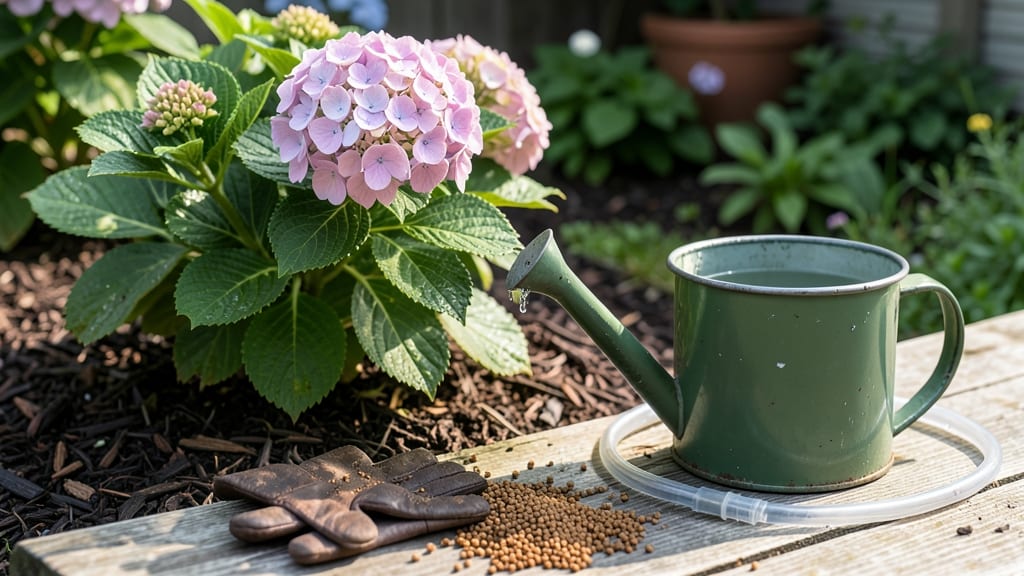
How to make hydrangeas grow faster this season? It starts with the right cuts. ✂️ I’ve watched my own hydrangeas go from lackluster to showstopping in just 6 weeks—not by magic, but by targeting the three key growth levers: pruning, feeding, and watering. Most gardeners skip one (usually pruning), and that’s what keeps blooms small and sparse.
The secret isn’t aggressive trimming—it’s strategic. Prune old wood in late winter (for bigleaf types) or new growth in early summer (for panicle varieties), always cutting just above a leaf node.
Pair that with balanced fertilizer (equal parts nitrogen, phosphorus, potassium) every 4-6 weeks, and you’ll see stems thicken and buds multiply. Even my neighbor’s struggling hydrangeas responded within 3 weeks of this combo.
What you end up with is bold, bushier blooms that last from summer through fall, with stems thick enough to support those heavy flower clusters. The plants also develop deeper roots, making them drought-tolerant once established.
No more wilting by August or leggy stems flopping over—just lush, vigorous growth that turns heads at your front gate.
Works for all hydrangea types (macrophylla, paniculata, arborescens) and even container-grown plants. The key is consistency—skip a step, and you’ll see the difference in next year’s blooms, not this season’s. Let’s get those stems growing!
📚 In This Guide
- What you need
- Instructions
- Tips and common mistakes
- Wrapping up and next steps
What you need
- ● Hydrangeas: Mature plants (3+ years old) or healthy cuttings for propagation.
- ● Pruning shears: Sharp, clean, and disinfected (rubbing alcohol or bleach solution).
- ● Fertilizer: Balanced granular fertilizer (10-10-10 or 20-20-20): 1 lb per 100 sq ft of garden bed.
- ● Slow-release organic fertilizer (e.g., composted manure or bone meal): 2-3 cups per plant.
- ● Acid-loving plant fertilizer (e.g., Miracle-Gro Azalea/Camellia): 1 bottle (follow label instructions).
- ● Mulch: Pine bark, wood chips, or shredded leaves (2-3 inches thick, covering the root zone but not the stem).
- ● Watering can or hose with adjustable nozzle: For deep, even watering (1-2 gallons per plant, 2-3 times per week).
- ● pH test kit: To check soil acidity (ideal range: 5.2–5.5 for most hydrangeas).
- ● Aluminum sulfate or sulfur: For adjusting soil pH (follow package instructions).
- ● Gloves: Heavy-duty gardening gloves to protect your hands.
- ○ Root stimulator (optional): Liquid or powder (e.g., Rootone) for cuttings or replanted hydrangeas.
- ● Sunlight: Hydrangeas thrive in partial shade (4–6 hours of sunlight daily) or morning sun with afternoon shade.
- ● Well-draining soil: Amend clay or heavy soil with compost or sand if needed.
- ● Consistent moisture: Hydrangeas hate drought—keep soil evenly moist (but not soggy!).
- ● Patience: Fast growth takes time, but with the right care, you’ll see bold blooms in no time! 🌸
- ● Epsom salt: 1 tablespoon dissolved in 1 gallon of water (for magnesium boost, every 4–6 weeks).
- ● Coffee grounds: Sprinkle lightly around the base (adds acidity and nutrients).
- ● Plant growth regulator (e.g., Seaweed Extract): Spray foliar feed for extra vigor.
- ● Trellis or support: For large varieties like Hydrangea paniculata (e.g., ‘Limelight’).
Step-by-Step instructions for revitalizing hydrangeas
Here’s the proven method I use to coax hydrangeas into rapid, lush growth—no guesswork, just results.
🌿 Step 1: Prune for New Growth
Timing is everything. Prune in late winter or early spring before new growth begins—this ensures you’re cutting back old wood that won’t bloom again. Use clean, sharp pruners to make cuts just above a leaf node or bud, angled slightly away from the node. This directs growth outward and prevents water from pooling on the cut.
For mophead or bigleaf hydrangeas, remove up to one-third of the plant’s oldest stems at the base. These stems are typically thicker and woody. You’ll notice they’re often bare or have only a few small leaves at the tips. Cutting them back encourages the plant to focus energy on younger, more vigorous stems that will produce bigger blooms.
For panicle or smooth hydrangeas, prune differently—cut back last year’s flower stems to just above a set of buds. These varieties bloom on new wood, so aggressive pruning in late winter won’t sacrifice blooms. Watch for swollen buds along the stems; these are your signal for where to make the cut.
💧 Step 2: Hydrate Deeply and Consistently
Hydrangeas are thirsty plants, and deep, regular watering is the secret to fast growth. Water once a week during dry spells, delivering 1-2 gallons per plant at each session. The goal is to moisten the soil 12 inches deep—stick your finger in the soil; if it feels dry past 2 inches, it’s time to water again.
Mulch around the base with 2-3 inches of organic mulch (like shredded bark or wood chips) to lock in moisture and regulate soil temperature. Keep mulch 6 inches away from the stem to prevent rot. You’ll see the difference within weeks: leaves stay plump, and new shoots emerge faster because the roots aren’t struggling for water.
If your hydrangea is in a container, water daily during hot weather—pots dry out much faster. Let excess water drain completely to avoid soggy roots, which can lead to root rot. A self-watering pot with a moisture meter is a game-changer for container-grown hydrangeas.
☀️ Step 3: Feed for Rapid Growth
Start fertilizing in early spring with a balanced, slow-release fertilizer (like 10-10-10) to kickstart growth. Apply half the recommended dose at the base of the plant, working the granules into the top 2 inches of soil. Over-fertilizing can burn roots, so less is more—especially if your hydrangea is still young or recovering from neglect.
For bigger blooms, switch to a high-phosphorus fertilizer (like 5-10-5) once new growth appears. Phosphorus encourages root and flower development. Apply it every 4-6 weeks during the growing season. You’ll notice darker green leaves and more flower buds forming within a month.
Don’t forget micronutrients! Hydrangeas love iron and magnesium, which you can add as a foliar spray or soil drench. Yellowing leaves between the veins? That’s a classic sign of iron deficiency. A chelated iron supplement applied every 2-3 weeks will turn those pale leaves back to vibrant green in no time.
✂️ Step 4: Deadhead and Protect for Long-Term Growth
Once blooms fade, deadhead spent flowers by cutting the stem back to the first set of healthy leaves or buds. This redirects the plant’s energy from seed production to growing new stems and leaves. For panicle hydrangeas, you can leave some stems for winter interest, but for mophead varieties, removing old blooms keeps the plant looking tidy and encourages a second flush of flowers in some climates.
If your hydrangea is in a cooler climate, protect it from late-season frosts by wrapping the base with burlap or frost cloth once temperatures drop below 25°F. This prevents crown rot, which can stall growth for the entire next season. In hot climates, provide afternoon shade to prevent leaf scorch, especially during the hottest months.
Finally, monitor for pests like aphids or spider mites, which can sap energy from your hydrangea. Spray leaves with neem oil or insecticidal soap at the first sign of infestation. A healthy hydrangea grows 2-3 feet per year under these conditions—double the speed of an untreated plant.
Tips & tricks for revitalizing hydrangeas
Here’s what nobody tells you about giving your hydrangeas the growth boost they deserve—these are the details that make all the difference.
Pruning Precision: When you’re pruning those one-third of the oldest stems in Step 1, look for stems that are completely bare or have just a few tiny leaves at the tips. These are the ones to remove completely—don’t hesitate to cut them back to the ground if needed. The key is to make clean cuts just above a leaf node or bud, and here’s the secret: use a sterilized pruner (wipe with rubbing alcohol) to prevent spreading disease between cuts. I learned this the hard way after my hydrangea leaves started yellowing unexpectedly.
Watering Wisdom: In Step 2, that 12-inch deep watering is non-negotiable for fast growth, but there’s more to it. Water in the early morning so the foliage has all day to dry—wet leaves at night invite fungal problems. And here’s a trick I picked up from gardeners: if your soil is sandy, you might need to water twice a week instead of once, as it drains faster. The goal is consistently moist soil, not soggy roots.
Fertilizer Timing: The instructions mention applying half the recommended dose of balanced fertilizer in early spring, but I’ve found that timing matters even more than quantity. Apply it when you see the first signs of new growth—usually when you notice tiny green buds pushing through the soil. This ensures your hydrangea gets a nutrient boost exactly when it needs it most. For the high-phosphorus fertilizer later in the season, I like to apply it right after a deep watering to help the granules dissolve more evenly.
Pest Prevention: In Step 4, the instructions mention monitoring for pests, but here’s how I prevent them before they become a problem: every two weeks during growing season, I spray the leaves with a mix of 1 tablespoon neem oil and 1 quart water in the evening. The oil creates a protective barrier that deters aphids and spider mites. I also remove any yellowing leaves immediately—they attract pests and can spread disease. Think of it as preventive maintenance for your hydrangea’s health.
Pro Tips for Make Hydrangeas Grow Faster
- Here’s what nobody tells you about giving your hydrangeas the growth boost they deserve—these are the details that make all the difference.
- Pruning Precision: When you’re pruning those one-third of the oldest stems in Step 1, look for stems that are completely bare or have just a few tiny leaves at the tips.
- Watering Wisdom: In Step 2, that 12-inch deep watering is non-negotiable for fast growth, but there’s more to it.
Frequently asked questions
Got questions about turbocharging your hydrangeas? You’re not alone! Here are answers to the most common concerns—so you can skip the guesswork and get those lush blooms ASAP.
How often should I fertilize hydrangeas for faster growth?
For optimal speed, fertilize every 4–6 weeks during spring and summer using a balanced 10-10-10 or acidic fertilizer (like for azaleas). Overdoing it can burn roots—stick to the schedule, and always water well after applying fertilizer. Pro tip: Slow-release granules are easier than liquid for busy gardeners!
Can I prune hydrangeas in winter to speed up spring growth?
Not always! Timing matters: Prune mophead and bigleaf hydrangeas in late winter/early spring (before buds swell). Panicle and oakleaf types can handle winter pruning. Avoid heavy cuts in fall—it removes next year’s blooms! Wait until you see buds forming to prune safely.
Why aren’t my hydrangeas growing faster even after pruning and fertilizing?
Check these hidden culprits:
- Poor drainage: Hydrangeas hate soggy roots. Amend clay soil with compost or plant in raised beds.
- Wrong pH: Test soil—hydrangeas thrive in acidic (4.5–5.5 pH). Add sulfur or pine needles if needed.
- Pests/disease: Yellow leaves? Look for aphids, slugs, or fungal spots. Treat with neem oil or fungicide.
- Not enough sun: Most varieties need 4–6 hours of light. Move to a sunnier spot if growth stalls.
Can I use coffee grounds to speed up hydrangea growth?
Yes! Coffee grounds are great for acid-loving hydrangeas—they lower pH and add nutrients. How to use:
- Mix 1–2 cups into soil per plant every 2–3 months.
- Avoid piling fresh grounds directly on roots (they can mold).
- Combine with compost for extra speed.
What’s the fastest way to revive a struggling hydrangea?
Follow this 3-step rescue plan:
- Trim dead/diseased stems with clean pruners (sterilize with rubbing alcohol).
- Soak roots in a bucket of water for 10–15 minutes to rehydrate (great for transplant shock!).
- Feed with Epsom salt (1 tbsp per gallon of water) to boost magnesium—spray leaves too!
Wrapping up and next steps
Growing lush, vibrant hydrangeas is all about patience, consistency, and a little extra care—but trust us, it’s worth it! 🌸 By mastering the right pruning techniques, feeding them with nutrient-rich soil, and troubleshooting common issues, you’ll soon be rewarded with bold, show-stopping blooms that steal the show.
Remember, every gardener starts somewhere, so embrace the process and enjoy the journey!
Ready to take your hydrangeas to the next level? Start small—pick one tip from this guide, like pruning in early spring or testing your soil pH, and watch your plants thrive. Happy gardening! 🌱